What is the Smithsonian Institution? Size, Scope and History of the World’s Largest Museum Complex
The Smithsonian Institution, operating the world’s largest museum and research complex on an annual budget exceeding $1 billion, is facing intense scrutiny from the Trump administration over allegations of left-wing political bias in its historical exhibits.
Origins and Expanding Footprint of the National Museum Complex
Founded in 1846 through a bequest from British scientist James Smithson to establish an institution for the increase and diffusion of knowledge, the organization has grown into a sprawling network. This encompasses roughly 13.6 million square feet of space.
The complex houses more than 157 million artifacts and specimens across 21 museums, the National Zoo, and 14 education and research centers. However, public access remains limited to a fraction of the total holdings. Roughly 99% of the artifacts are preserved in storage facilities, laboratories, and archives for ongoing scientific study. In total, the institution draws over 30 million in-person visitors annually while reaching millions more through digital platforms and educational resources.
White House Report Cites Shift Toward Activism
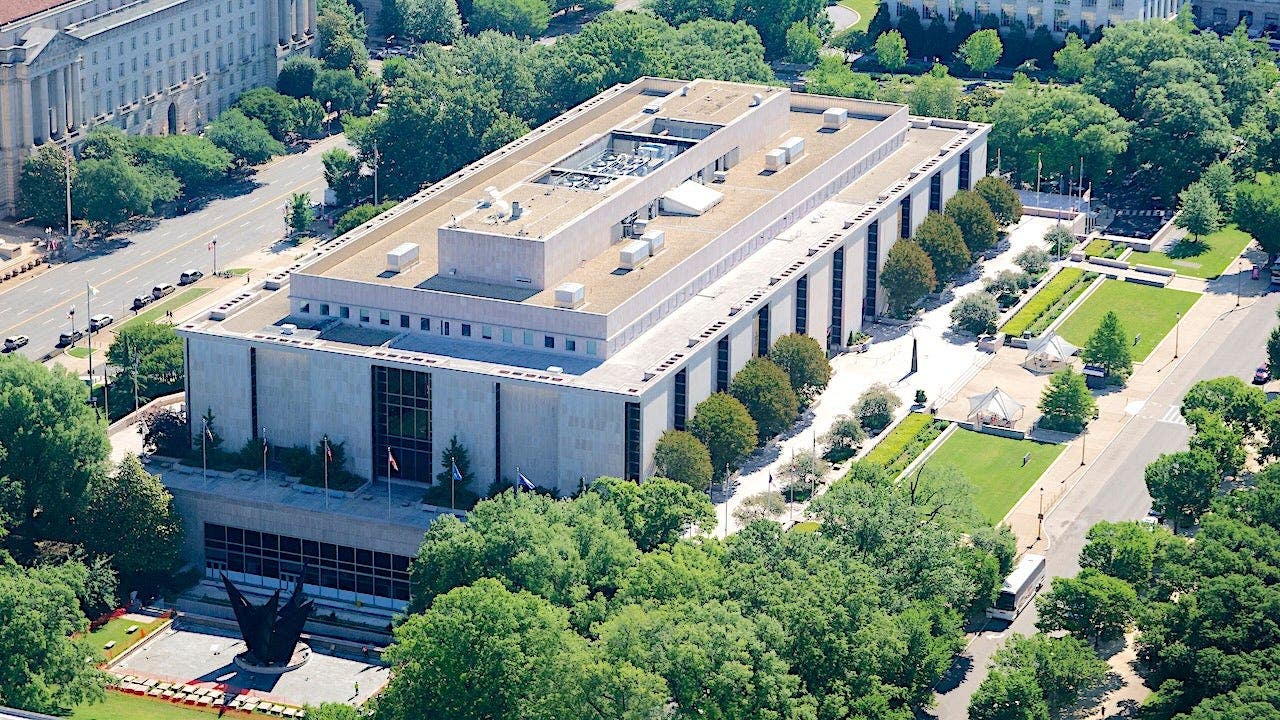
The current political friction stems from a sweeping White House report released earlier. The document warns of an alleged infiltration of leftist politics within the institution’s programming. The report highlights statements from National Museum of American History Director Anthea Hartig, who has led the facility since 2019 and described history as a prime tool for social justice and activism.

In response to these concerns, President Trump directed his administration last week to place new informational signs outside the National Museum of American History. These signs are intended to provide visitors with what the White House characterizes as accurate depictions of the nation’s past.
Educational Reach Across Nationwide Classrooms
Beyond its physical museum spaces in the nation’s capital, the Smithsonian functions as a primary educational engine. Through initiatives like the Smithsonian Learning Lab and the Smithsonian Science Education Center, the institution provides millions of free lesson plans, virtual field trips, and classroom activities used by teachers across the country. It also coordinates professional development programs for educators.
The institution maintains deep ties with higher education through partnerships, internships, fellowships, and joint academic programs on college campuses nationwide. This broad reach touches thousands of undergraduate, graduate, and postdoctoral students each year, amplifying the cultural impact of its curated narratives far beyond Washington, D.C.