
China Battles Severe Chikungunya Outbreak
Mosquito-Borne Virus Infects Thousands in Southern City
A significant outbreak of the Chikungunya virus is currently affecting the city of Foshan in southern China, with thousands falling ill in recent weeks. Health officials are employing innovative strategies to combat the escalating spread.
Intensified Control Measures
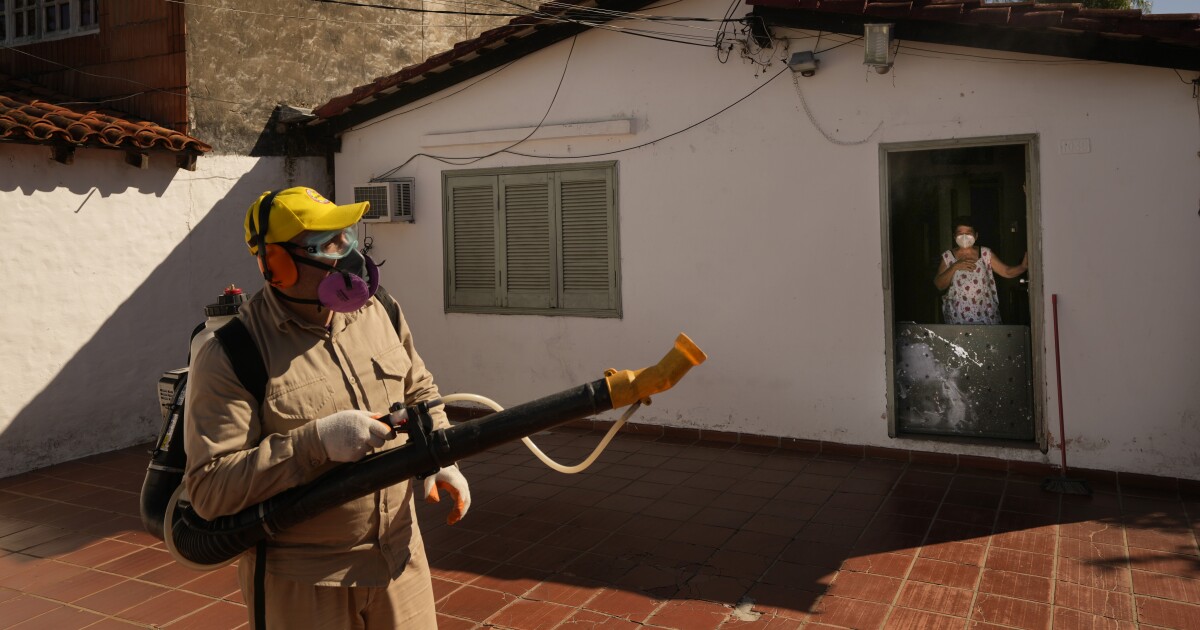
To curb the transmission of this mosquito-borne illness, Chinese health authorities are deploying advanced techniques. These include the use of drones to pinpoint mosquito breeding grounds and the introduction of natural predators, such as specific mosquito-eating fish and so-called “elephant mosquitoes.”
Understanding Chikungunya
Chikungunya, a virus first identified in 1952 in Tanzania, is named after a Kimakonde word meaning “that which bends up.” This refers to the severe joint pain that contorts the posture of infected individuals. The virus is transmitted through the bite of infected female mosquitoes, the same species that spread dengue and Zika viruses.
Symptoms and Severity
Symptoms of Chikungunya typically appear about a week after an infected mosquito bite. The most common signs are fever and intense joint pain, which can be debilitating and persist for extended periods. Other symptoms include muscle pain, headaches, fatigue, nausea, and rashes. Due to symptom overlap with other mosquito-borne diseases, laboratory testing is often required for accurate diagnosis.
While most patients recover fully, rare cases have led to complications affecting the eyes, heart, and nervous system. The current outbreak is reportedly one of the most severe China has experienced since 2008.
Treatment and Prevention
There is no specific antiviral treatment for Chikungunya. Management focuses on alleviating fever and joint pain. While two Chikungunya vaccines have received regulatory approval in certain countries, they are not yet widely accessible. The most effective prevention remains avoiding mosquito bites through measures like using insect repellent, wearing protective clothing, and ensuring window and door screens are intact.
Globally, Chikungunya outbreaks have occurred sporadically across the Americas, Asia, and Africa, with occasional smaller outbreaks noted in Europe. The World Health Organization confirms that infected mosquitoes transmit the virus through their bites.
According to the Centers for Disease Control and Prevention, more than 70 countries have reported cases of Chikungunya, highlighting its widespread presence and the ongoing need for public health vigilance (CDC).
