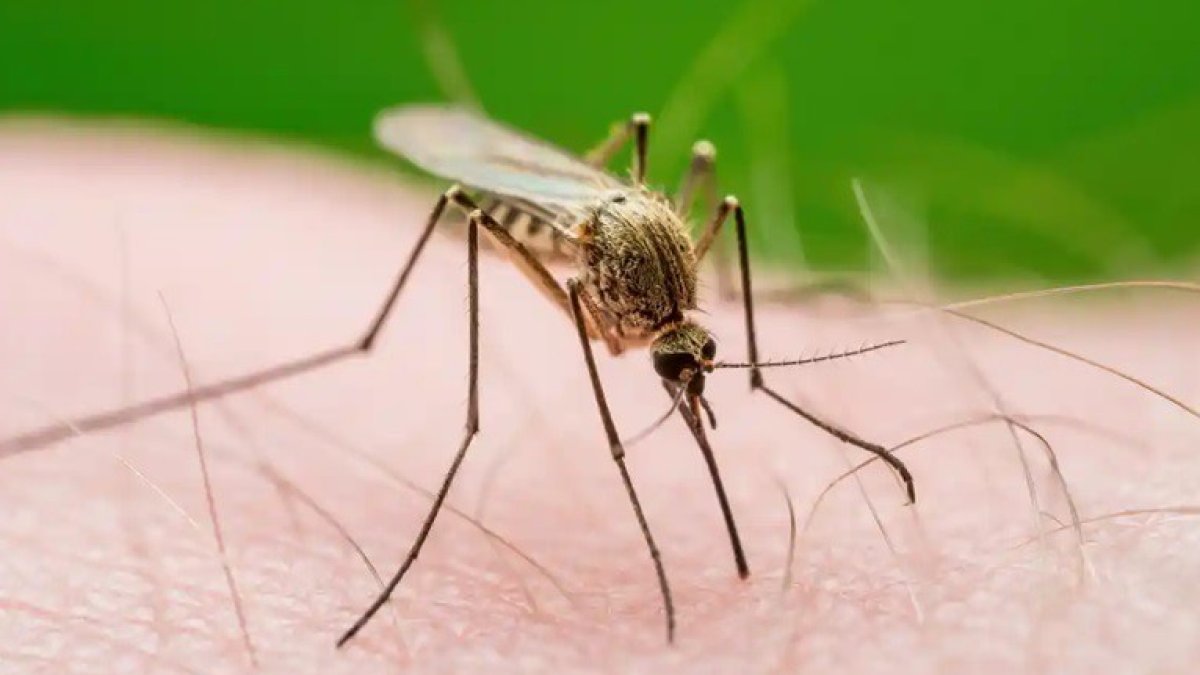
West Nile Virus Transmitted by Mosquitoes, Not Between Humans
The New York City Department of Health confirmed the first human case of the West Nile virus for the 2026 season on August 19, 2026, after a resident contracted the mosquito-borne illness following outdoor exposure within the city and surrounding areas. According to data released by the Centers for Disease Control and Prevention (CDC) and cited by municipal health officials, this local diagnosis aligns with a broader national trajectory that has already logged 222 human cases across the United States this year, with primary concentrations in Texas, Arizona, and California.
Key Clinical Takeaways:
- Initial Case Confirmation: NYC health authorities verified the season’s first human West Nile virus patient on August 19, 2026, following community exposure.
- Vector Surveillance: Routine testing identified over 1,000 infected mosquito pools across all five municipal boroughs since June, marking a nearly twofold increase compared to specimen rates from the previous year.
- Clinical Vulnerability: While the majority of infections remain asymptomatic, individuals aged 60 and older or those with compromised immune systems face heightened risks of developing severe neuroinvasive disease.
Expanded Vector Surveillance and Municipal Control Measures
Following the early detection of infected vectors in mid-June, the NYC Health Department intensified its mosquito surveillance operations and expanded control measures throughout all five boroughs. According to public health disclosures, municipal laboratories identified positive mosquito pools at a rate nearly double that of the prior year, prompting intensified trapping and eradication protocols. These vector control efforts aim to suppress the transmission cycle during peak seasonal activity windows, which traditionally span from August through September before concluding in October.
Nationwide surveillance figures published by the Centers for Disease Control and Prevention indicate that the virus maintains an active presence across multiple states. Patients displaying symptoms of the virus should promptly consult their doctor.
Pathogenesis, Symptomatology, and Neuroinvasive Risks
The West Nile virus is transmitted primarily through the bite of infected mosquitoes. It does not spread via direct human-to-human contact. Clinical manifestations vary; most infected individuals remain asymptomatic, while some may develop fever, headache, muscle aches, rashes, and fatigue.
A more critical clinical presentation occurs in roughly 1 of every 150 infected patients, who progress to severe neuroinvasive disease affecting the brain and spinal cord. These complications manifest as alterations in mental status and muscle weakness. Hospitalization is required in some cases, and some patients continue to have health problems months after the infection or suffer a permanent disability.
Public Health Recommendations and Prevention Protocols
City health commissioner Dr. Alister F. Martin emphasized the importance of personal protection measures, noting that the virus can be prevented. Public health advisories urge residents to limit outdoor exposure during peak vector feeding times at dawn and dusk. When outdoor exposure is unavoidable, individuals should wear long-sleeved shirts, long trousers, socks, and shoes.

Furthermore, health authorities recommend utilizing registered insect repellents containing active ingredients such as DEET, picaridin, IR3535, or oil of lemon eucalyptus. Homeowners must routinely inspect their properties to eliminate standing water around their home, thereby disrupting localized mosquito breeding sites.
*Disclaimer: The information provided in this article is for educational and scientific communication purposes only and does not constitute medical advice. Always consult with a qualified healthcare provider regarding any medical condition, diagnosis, or treatment plan.*