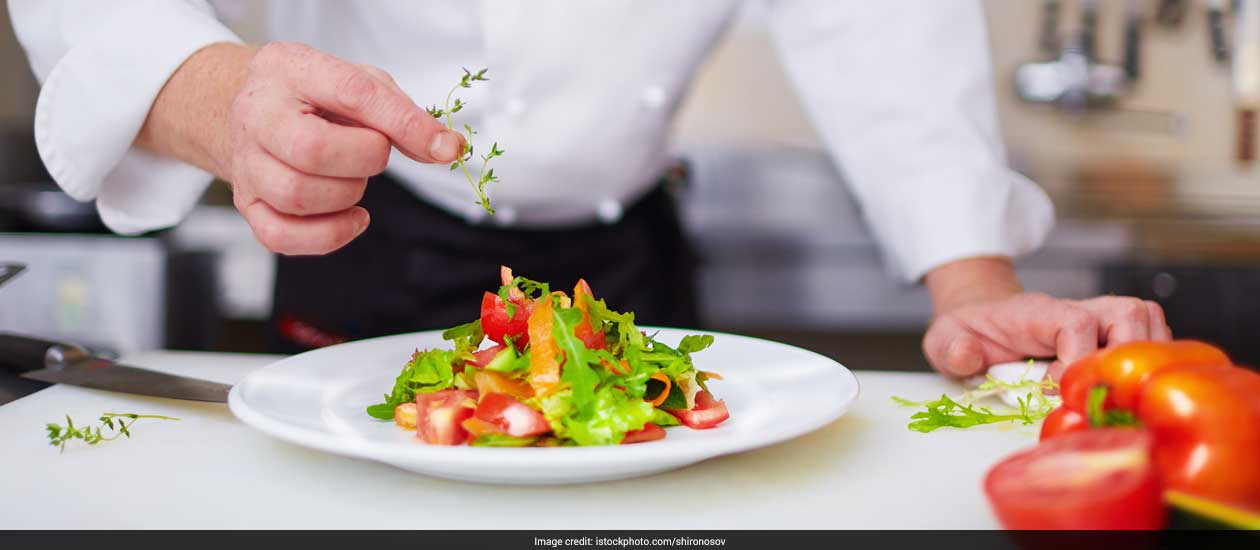
What Is Culinary Medicine And How Does It Bridge Nutrition And Cooking
Culinary medicine is an emerging healthcare discipline that integrates nutrition science with practical cooking education to help patients manage chronic conditions. By teaching individuals how to select ingredients, prepare balanced meals, and adapt recipes, the field aims to translate clinical dietary recommendations into sustainable, daily habits.
- Culinary medicine bridges the gap between theoretical nutrition advice and the practical skills required for healthy food preparation.
- The field utilizes a multidisciplinary approach involving physicians, registered dietitian nutritionists, and professional chefs to address diet-related chronic diseases.
- While the practice aims to improve outcomes for conditions like type 2 diabetes and cardiovascular disease, further evidence is required to confirm its independent clinical efficacy.
Why does standard medical training often miss nutrition?
A review published in the Journal of General Internal Medicine identified a significant gap between the nutrition education provided in medical training and the practical skills needed to prepare healthy food. Despite diet being a primary modifiable risk factor for chronic non-communicable diseases, traditional medical education remains limited or inconsistent in this area. This lack of formal training can undermine a physician’s confidence when providing individualized nutrition counseling, often resulting in generic advice that fails to account for a patient’s socioeconomic status, food insecurity, or daily behavioral challenges.

How does culinary medicine function in a clinical setting?
Culinary medicine operates as an evidence-based, interprofessional field that combines culinary arts, nutrition science, and medical education. The practice complements traditional dietetics by linking food-preparation skills to clinical care. Healthcare providers, including registered dietitian nutritionists, collaborate with patients to tailor dietary guidance to their specific medical history, cultural background, and financial circumstances. This customization is intended to make dietary changes more achievable for those who might otherwise struggle to follow restrictive meal plans.
What role do cooking skills play in chronic disease management?
Cooking skills serve as a practical mechanism to turn nutritional knowledge into consistent lifestyle habits. Research indicates that nutrient availability can influence metabolic pathways linked to systemic inflammation and cellular senescence, including the mechanistic target of rapamycin (mTOR) and adenosine monophosphate (AMP)-activated protein kinase (AMPK). However, these findings are largely derived from cell and animal models. Scientists emphasize that such laboratory research does not establish that culinary medicine interventions directly alter these specific molecular pathways in human patients.
What is the future of dietary intervention in practice?
The central principle of culinary medicine remains that nutritional advice becomes actionable only when patients possess the skills to execute it. While the field provides a structured way to connect clinical guidelines with the reality of home cooking, the independent contribution of culturally tailored culinary medicine to clinical outcomes remains an area of ongoing study. For those seeking to integrate these strategies into their health management, consulting with a registered dietitian nutritionist or a physician specializing in lifestyle medicine can provide a foundation for personalized nutrition and meal planning. Patients should treat these programs as a complement to, not a replacement for, prescribed medical treatments for conditions such as obesity or cardiovascular disease.
Disclaimer: The information provided in this article is for educational and scientific communication purposes only and does not constitute medical advice. Always consult with a qualified healthcare provider regarding any medical condition, diagnosis, or treatment plan.
