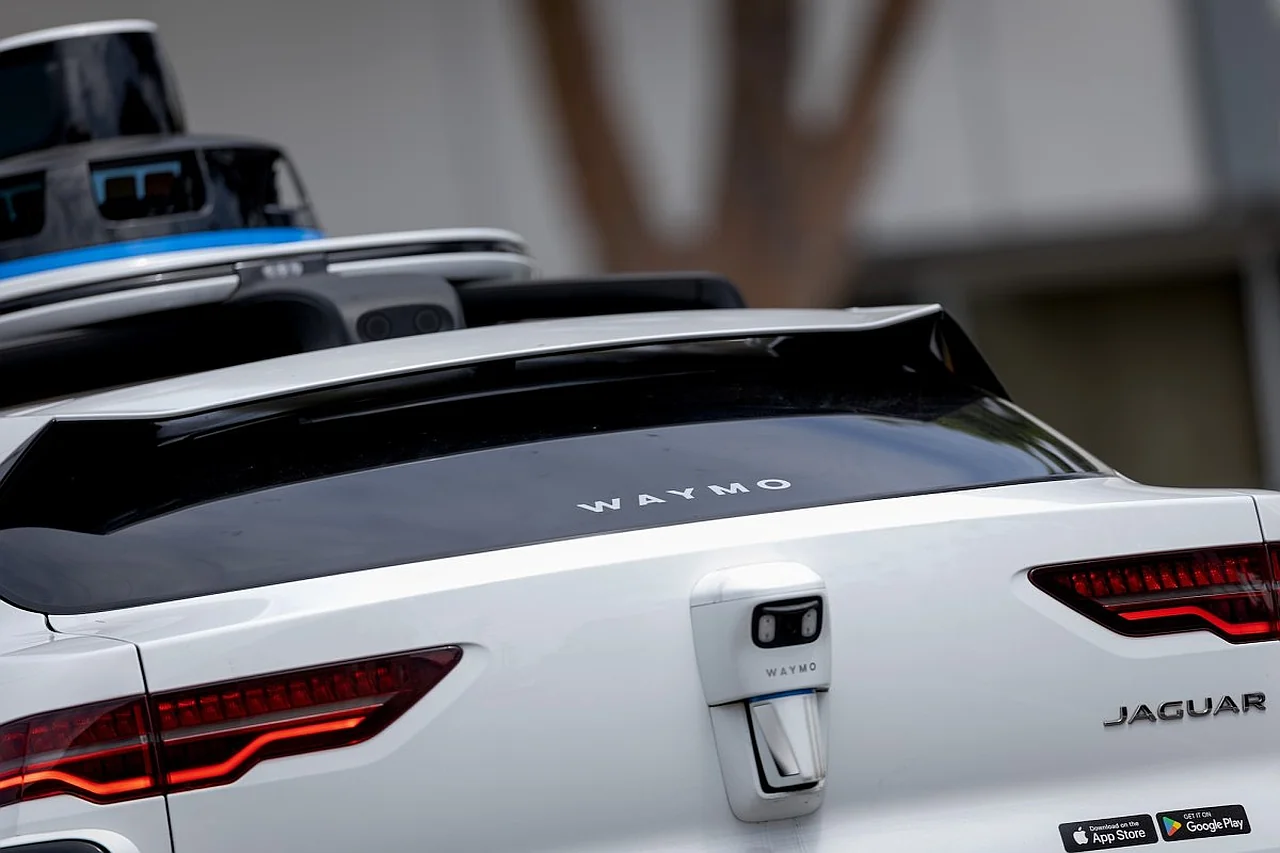
Waymo Acquires Massive 5,500-Acre Test Track in Arizona
Waymo Acquires Apple’s Arizona Test Track for $220 Million, Boosting Autonomous Vehicle Infrastructure
Waymo, a subsidiary of Alphabet, has purchased a 5,500-acre autonomous vehicle test track in Maricopa County, Arizona, for $220 million, according to county records. The acquisition marks a significant expansion of the company’s testing capabilities as it accelerates its commercial robotaxi services across the U.S.
Why This Matters: A Strategic Move for Autonomous Vehicle Development
The 5,500-acre site, located in Arizona—a state already central to Waymo’s operations—will likely serve as a hub for refining self-driving technology under diverse environmental conditions. This purchase follows Waymo’s 2025 integration into Chandler’s public microtransit service, highlighting Arizona’s role as a testing ground for autonomous systems. The deal underscores the state’s growing influence in shaping the future of mobility, with potential ripple effects on local infrastructure, employment, and regulatory frameworks.
Geographic and Economic Implications for Arizona
Maricopa County, home to Phoenix, has become a focal point for autonomous vehicle innovation. Waymo’s existing operations in the region, including its 2020 launch of driverless ride services, position the new test track as a catalyst for further investment. Local officials have yet to comment, but the project could spur job creation in tech and engineering sectors.
“This acquisition could solidify Arizona’s reputation as a leader in AV testing, but it also raises questions about how local governments will manage the associated traffic and safety challenges,”
said Dr. Maria Lopez, a transportation policy expert at Arizona State University.
The economic impact extends beyond direct employment. Increased AV activity may require upgrades to road infrastructure, such as sensor-equipped highways and dedicated testing zones. Arizona Department of Transportation data shows the state invested $1.2 billion in smart infrastructure projects between 2020 and 2025, a trend likely to accelerate with Waymo’s expansion.
Legal and Regulatory Considerations
Waymo’s purchase of the test track could prompt a reevaluation of Arizona’s autonomous vehicle regulations. The state has historically maintained a business-friendly stance, but the scale of this project may attract scrutiny. Arizona Legislature has previously passed laws allowing AV testing without human drivers, but new guidelines may emerge to address public safety concerns.
“Regulators must balance innovation with accountability,”
said Phoenix City Councilmember James Carter. City of Phoenix officials have not yet issued statements on the acquisition.
Local law firms specializing in tech and transportation law, such as Henderson & Associates, are likely to see increased demand for services related to AV compliance and liability frameworks.
Connecting to the Global Directory: Solutions for a Changing Mobility Landscape
The expansion of Waymo’s testing infrastructure creates immediate needs for local engineering firms, legal advisors, and infrastructure contractors. Civil engineering firms may be tasked with upgrading roads to support AV technology, while commercial law practices could advise on regulatory compliance. For residents navigating the shift, local transit authorities may need to adapt public transportation systems to coexist with autonomous vehicles.

This development also highlights the importance of cybersecurity in AV ecosystems. As Waymo’s systems become more complex, cybersecurity consultants may play a critical role in safeguarding data and preventing hacking threats.
What’s Next for Waymo and Arizona?
Waymo’s purchase of the test track signals a long-term commitment to Arizona, but the company faces challenges. Public trust in AVs remains uneven, and incidents like the 2023 collision involving a Waymo vehicle in San Francisco have raised questions about safety protocols. The company’s ability to address these concerns will shape its future in the state.
For Arizona, the deal could cement its position as a global AV hub. However, the state must also address logistical hurdles, such as managing increased traffic from testing vehicles and ensuring equitable access to new mobility technologies. As the project unfolds, stakeholders from local governments to tech firms will need to collaborate closely to balance innovation with public welfare.
With autonomous vehicle technology advancing rapidly, the decisions made in Arizona today could set a precedent for the industry worldwide.
Keep reading
- Truck Fire Sparks Cáceres Wildforest Blaze and Evacuations on A-66 Highway
- Egypt Investment Fund Assets Jump 14.7% to EGP 470.9bn in Q2 2026
- New Album Title Track Black-and-White Video Gets Parental Advisory Warning (archyde.com)
- 2026 Arizona Football Single Game Tickets Now On Sale (newsdirectory3.com)