
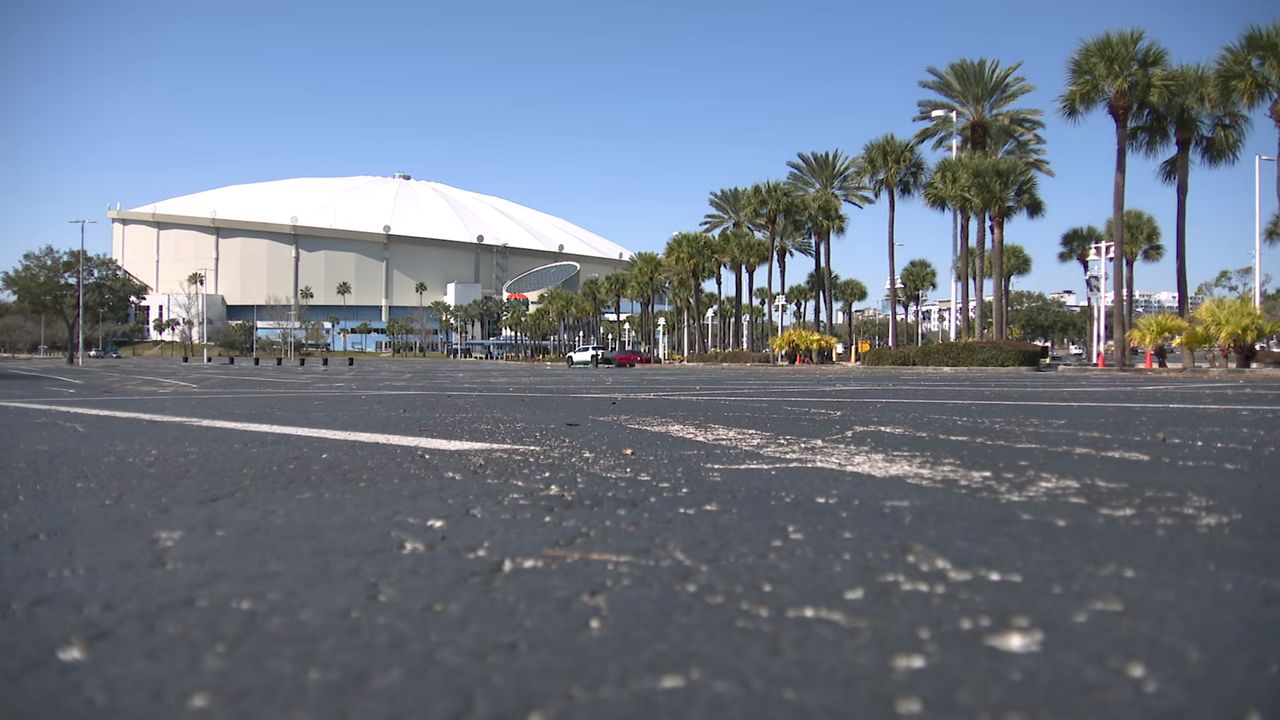
Watchdogs Probe Tropicana Field Reopening After Hurricane Milton
Tropicana Field reopens in St. Petersburg, Florida, on Monday, April 6, 2026, following extensive repairs after Hurricane Milton’s October 2024 strike. The city spent nearly $60 million to replace the roof and remediate mold, ensuring the stadium is safe for the Tampa Bay Rays’ return home after an 18-month exile.
The return of the Tampa Bay Rays to their home turf is more than a sporting event; it is a test of municipal resilience. For over a year and a half, the “Trop” stood as a skeletal reminder of Hurricane Milton’s fury, its iconic roof shredded and its interior exposed to the elements. The struggle to bring the stadium back online was not merely a matter of construction, but a battle against the invisible growth of mold and the logistical nightmare of urban disaster recovery.
When the storm cleared on October 9, 2024, the scene inside the stadium was catastrophic. Water didn’t just leak; it invaded. City crews entering the facility just two days after the storm found flooding across every level, from the 100 sections up to the 300s. The damage extended far beyond the visible waterlines, infiltrating the electrical grids, sound systems, and critical broadcast infrastructure.
“The first thing they did was get that roof matter down, and then separate the bowl from the concourses and other areas so that we didn’t have further damage beyond what Milton did,” said Beth Herendeen, who led the recovery project.
This separation was a critical tactical move. By isolating the stadium bowl from the concourses, the city attempted to contain the damage, but the lack of a roof meant the building remained vulnerable. The risk was compounded in late August 2025, when downtown St. Petersburg recorded four inches of rain, threatening to undo the progress already made.
The invisible enemy—mold—became the primary concern for public health. The EPA notes that mold thrives wherever moisture and oxygen are present, and a roofless stadium in Florida is a prime breeding ground. To combat this, the city of St. Petersburg invested more than 10% of the total $57 million budget specifically into remediation. This required the expertise of industrial mold remediation specialists to treat the vast interior spaces and ensure air quality met safety standards before a single fan was allowed back inside.
The financial burden of this recovery fell largely on the city. Navigating a project of this scale—balancing immediate structural needs with long-term health certifications—often requires the oversight of experienced municipal project managers to ensure funds are allocated efficiently across competing priorities.
A $60 Million Transformation
The path to Monday’s reopening was a grueling timeline of engineering and installation. The process of replacing the roof began in earnest in August 2025, culminating in the placement of the final panel on November 21, 2025. However, the city decided to do more than just restore the status quo. The “makeover” included significant upgrades designed to modernize the fan experience and the athletes’ environment.

The renovated Tropicana Field now features:
- New artificial turf for the playing surface.
- Upgraded luxury suites and a modernized stadium video board.
- Home-plate club seats and new flooring on the outfield deck.
- Complete overhaul of the clubhouse, including new carpet and lockers.
Although the Rays spent the 2025 season playing their home games at Steinbrenner Field in Tampa—the spring training home of the New York Yankees—the displacement highlighted the fragility of regional sports infrastructure. For a franchise that has called the Trop home since its 1998 debut, the 18 1/2 month absence was a period of profound uncertainty. There were moments when it was feared the team might never return to the only ballpark they had ever known.
The technical complexity of replacing a tilted roof and unique catwalks cannot be overstated. Such specialized architecture requires structural engineering consultants capable of handling non-traditional loads and weather-resistant materials that can withstand future Atlantic storm seasons.
The Economic and Emotional Homecoming
The return is a victory for the local economy. Local businesses in St. Petersburg, which suffered from the loss of game-day foot traffic over the last year and a half, are eager for the resurgence of the crowds. The Rays are expected to maintain their streak of selling out the home opener—a tradition that has lasted 20 consecutive seasons, excluding the 2020 pandemic year.
Rays manager Kevin Cash expressed the team’s sentiment regarding the return: “I think guys are excited, and rightfully so. Our organization has worked incredibly hard and the city and the county, to get it back up to speed. I briefly walked through there, couldn’t be more impressed with the way it looks, and excited to see our fans.”
The city’s final mold inspections have cleared the building for occupancy, signaling that the remediation efforts were successful. The transition from a disaster zone to a world-class sports venue is now complete, but the event serves as a stark reminder of the ongoing vulnerability of coastal infrastructure. For the residents of St. Petersburg and the fans of the Tampa Bay Rays, the reopening is a symbol of recovery.
As the gates open this Monday, the focus shifts from engineering and air quality tests back to the game itself. Yet, the underlying lesson remains: the cost of resilience is high, often requiring tens of millions of dollars and years of meticulous labor. For those facing similar infrastructure crises, the “Trop” model demonstrates that recovery is possible through aggressive remediation and strategic investment. Whether it is a stadium or a commercial complex, finding verified professionals through the World Today News Directory remains the most reliable way to ensure that “safe” actually means safe.