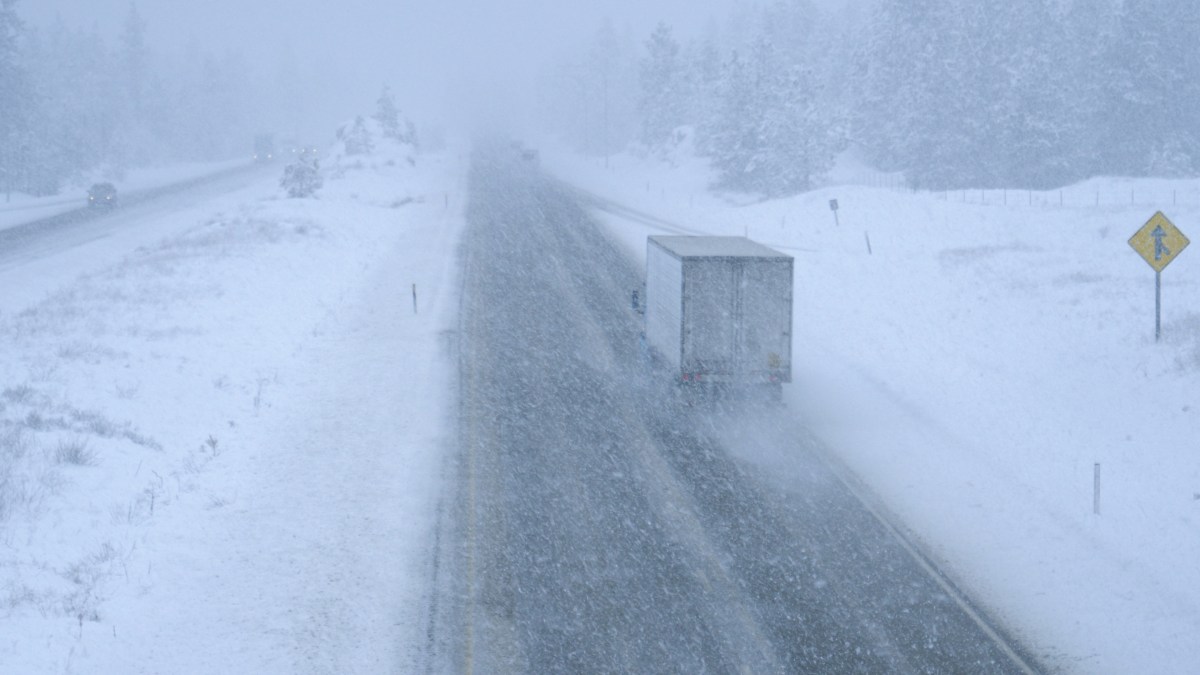
Washington Winter Weather Advisories: Cascades and Olympic Mountains
The National Weather Service has issued winter weather advisories for Montana and Washington, warning of up to 6 inches of snow. The storm primarily impacts the Cascades and Olympic Mountains, threatening key travel corridors and disrupting late-spring activities across the Pacific Northwest and Mountain West regions starting May 16, 2026.
May snow is a different beast than January snow. By mid-month, the psychological shift toward spring is complete; tires are swapped, salt trucks are often sidelined, and the agricultural sector is in a precarious state of budding. When six inches of accumulation hits high-altitude corridors and mountain passes in late spring, it doesn’t just create a commute delay—it creates a systemic shock to regional infrastructure and local economies.
The current advisories center on the Cascades and the Olympic Mountains, regions that serve as both the scenic backbone of Washington and the primary transit arteries for the state. For those navigating the high passes, the sudden arrival of winter weather in May transforms a routine drive into a high-risk operation.
The Logistics of the “May Surprise”
The primary danger of late-season snow isn’t always the volume, but the consistency. May snow tends to be “heavy” or “wet,” meaning it clings to power lines and weighs down budding tree limbs that are not structurally prepared for the load. This often leads to localized power outages and road obstructions that are more difficult to clear than the dry powder of December.
In Washington, the focus remains on the popular travel corridors that bridge the coast with the interior. When the Cascades receive this level of accumulation, the impact ripples through the supply chain. Freight moving toward the interior Northwest faces immediate bottlenecks, as chain requirements are reinstated on short notice. This volatility forces logistics companies to scramble for alternative routing or face significant delays.
“The transition period between winter and spring is the most dangerous time for mountain transit. Drivers have a false sense of security, and the road surfaces can fluctuate between slush, ice, and clear pavement within a single mile,” says a regional transportation coordinator for the Pacific Northwest.
For residents and business owners in these affected zones, the sudden shift in weather often exposes vulnerabilities in property maintenance. With the spring thaw already underway, the introduction of heavy snow can lead to unexpected drainage failures and basement flooding. Ensuring that professional drainage specialists have inspected properties before the late-season surge is no longer a suggestion—We see a necessity for asset protection.
Regional Economic Fallout: Agriculture and Tourism
While the travel corridors garner the most headlines, the real economic anxiety lies in the valleys. For Montana and Washington’s agricultural sectors, a six-inch snowfall in mid-May can be catastrophic for certain high-value crops. Late-season frosts and snow can kill off new blossoms or freeze young shoots, potentially wiping out a significant percentage of the seasonal yield for orchards and vineyards.
This creates a complex legal and financial domino effect. Farmers often find themselves navigating the fine print of crop insurance policies to determine if a “late-season weather event” qualifies for a payout. Because these events fall outside the typical winter window, the claims process can become a bureaucratic nightmare.
To mitigate these losses, many producers are now engaging specialized agricultural attorneys to audit their insurance contracts and ensure they are protected against “climate volatility” rather than just standard winter storms. The goal is to move from reactive recovery to proactive legal shielding.
Critical Impact Zones and Risk Factors
The severity of this event varies by geography, but the following areas are under the highest stress:
- The Olympic Peninsula: High-elevation areas are seeing immediate accumulation, affecting access to remote trailheads and coastal access roads.
- The Cascade Range: Major passes are experiencing rapid temperature drops, necessitating the immediate deployment of snow removal equipment.
- Montana High Plains: The combination of snow and wind is creating drifting conditions that can isolate rural communities.
The National Weather Service encourages all travelers to monitor real-time updates via weather.gov and to verify road conditions through the Washington State Department of Transportation (WSDOT) before attempting any mountain crossing.
Infrastructure Resilience and the Path Forward
This event serves as a stark reminder that the “seasonal” calendar is becoming increasingly unreliable. Municipalities in the Pacific Northwest are now facing the challenge of maintaining winter readiness well into the second quarter of the year. This requires a shift in how city budgets are allocated, moving away from rigid seasonal spending toward a more fluid, event-based funding model.

From a civic perspective, the reliance on aging infrastructure becomes apparent during these anomalies. Power grids that were presumed safe for the spring are suddenly strained by falling limbs and heavy snow loads. For businesses operating in these corridors, the cost of downtime is immense. Securing vetted emergency electrical contractors is now a critical component of any corporate continuity plan in the region.
The broader implication is a growing need for “climate-hardened” infrastructure. Whether it is the installation of more resilient power lines or the upgrading of road drainage systems to handle rapid melt-off, the cost of inaction is rising. The 6-inch warning is not just a weather report; it is a stress test for the region’s ability to adapt to an erratic environment.
As the snow begins to settle across the Cascades and the Montana plains, the immediate focus will be on clearing the roads and saving the crops. However, the long-term lesson is clear: the boundary between winter and spring has blurred. Those who treat the calendar as a guarantee are the ones most likely to be stranded. For those seeking to protect their businesses or properties from the unpredictability of the Northwest climate, finding verified, local professionals is the only way to ensure resilience. The World Today News Directory remains the primary resource for connecting affected residents with the legal, technical, and emergency services required to navigate these developing environmental challenges.
Keep reading
- Roger Goodell: NFL Regular Season Game Coming to Tokyo by 2028
- Ballon d’Or 2026 to be held in London on October 26, Sky Sports says
- Russian forces destroy Ukrainian retail hubs as winter nears, NOS says (newsy-today.com)
- Former Russian Olympic Cyclist Sergei Kucherov Killed in Ukraine War (newsdirectory3.com)