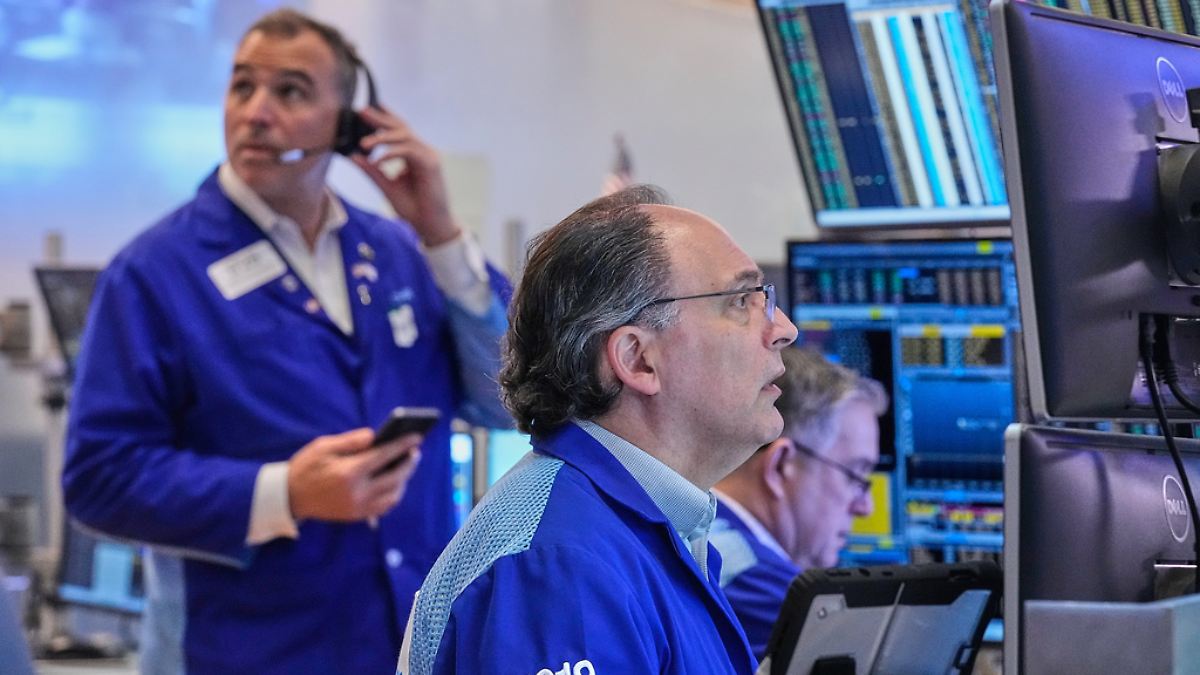
Wall Street Hits Record Highs Amid Iran Peace Hopes
US equity markets reached unprecedented peaks as investor sentiment shifted toward optimism regarding a potential peace memorandum between the United States and Iran. This geopolitical thaw, coupled with robust corporate earnings, triggered a broad-based rally across the S&P 500, Dow Jones, and Nasdaq indices, signaling a pivot toward “risk-on” asset allocation.
Geopolitical instability is more than a headline; it is a fiscal drain. For the C-suite, the unpredictability of Middle Eastern relations creates a volatility tax, manifesting as spiked insurance premiums and disrupted logistics. When the market bets on peace, it isn’t just reacting to diplomacy—it is pricing in the removal of a systemic risk. This volatility forces global enterprises to lean heavily on geopolitical risk consultants to hedge against sudden supply chain ruptures or sanctions shifts.
The Mechanics of the “Peace Trade”
The current surge reflects a classic sentiment-driven rally. Markets despise uncertainty, and the prospect of a U.S.-Iran ceasefire acts as a catalyst for lowering the equity risk premium. As reported by Ntv, the hope for peace has pushed Wall Street to new records, while Handelsblatt notes that traders are now intently awaiting further updates on the diplomatic progress. This is not a blind leap; it is a calculated bet on the stabilization of global energy corridors.

When the threat of conflict in the Strait of Hormuz recedes, the “fear premium” embedded in crude oil prices evaporates. This creates a ripple effect: lower input costs for manufacturers, reduced transportation overheads, and a stabilization of inflation expectations. For firms operating in the industrial sector, this shift allows for more aggressive capital expenditure planning for the upcoming fiscal quarters.
The financial sector has been a primary beneficiary of this shift. Bank of America and Morgan Stanley have seen significant gains, driven by strong revenue beats in their equity trading divisions. This surge in trading volume indicates that institutional investors are aggressively repositioning portfolios, moving out of safe-haven assets like gold and Treasuries and rotating back into equities.
“The market is currently operating on a dual-track engine: geopolitical optimism is providing the floor, while AI-driven productivity gains are providing the ceiling. We are seeing a rare alignment where macroeconomic headwinds are being offset by a genuine appetite for growth.”
The AI Catalyst and the Second Engine of Growth
While diplomacy provides the spark, the structural foundation of this rally remains the artificial intelligence boom. The Nasdaq’s record-breaking performance is not solely a result of peace hopes but is deeply anchored in the earnings power of chipmakers. AMD, in particular, has become a bellwether for this trend.
Looking at foundational data, the trajectory of AI-driven hardware is evident. In recent financial filings, leading semiconductor firms have demonstrated a significant expansion in data center revenue, with some reporting EBITDA margins that far exceed historical norms for the hardware sector. This is no longer speculative; it is reflected in the raw revenue multiples being applied to AI-integrated firms.
The synergy between the “Peace Trade” and the “AI Trade” creates a powerful momentum. Peace reduces the cost of doing business globally, while AI increases the efficiency of that business. This combination is driving a massive reallocation of capital. However, this rapid expansion often outpaces internal corporate governance. As firms scale their AI infrastructure at breakneck speed, they are increasingly requiring the expertise of international trade attorneys to navigate the complex web of export controls and intellectual property laws governing high-end semiconductors.
Three Ways the Macro Landscape is Shifting
The current market behavior suggests three fundamental changes in how institutional capital is being deployed for the remainder of the year:

- Compression of the Volatility Index (VIX): The shift from “crisis management” to “growth capture” is leading to a sustained drop in the VIX. This allows firms to issue corporate debt at more favorable rates, as the perceived risk of a global systemic shock diminishes.
- Energy Hedging Pivot: We are seeing a move away from expensive, short-term oil hedges toward long-term strategic sourcing. The anticipation of a stable Iran-US relationship allows energy-intensive industries to lock in more predictable pricing models.
- Acceleration of CapEx in Tech: With geopolitical tension easing, the “wait-and-see” approach to infrastructure investment is ending. Companies are now accelerating the deployment of AI-driven operational tools, shifting budgets from defensive reserves to offensive growth.
This rotation requires a sophisticated approach to liquidity management. Asset managers are no longer just looking for safety; they are seeking alpha in sectors that were previously considered too volatile. This has led to a surge in demand for institutional asset managers who can balance high-growth AI plays with the nuanced risks of emerging market diplomacy.
The Fiscal Horizon
The markets are currently in a state of high-sensitivity equilibrium. As boerse.de observed, while the Nasdaq hits records, the Dow occasionally fluctuates, suggesting a divide between growth-oriented tech optimism and the more cautious valuation of legacy industrial assets. This divergence is the key to watching the next two fiscal quarters.
The real test will be the transition from “hope” to “implementation.” A memorandum of understanding is a starting point, but the actual lifting of sanctions or the normalization of trade requires a level of bureaucratic precision that often lags behind market enthusiasm. If the diplomatic process stalls, the “peace trade” could unwind rapidly, leading to a sharp correction in the indices.
Pragmatism dictates that the current rally is a window of opportunity, not a permanent state of grace. The most successful firms will be those that use this period of low volatility to fortify their operational foundations. Whether it is through restructuring debt or auditing global supply chains, the goal is to build a business that thrives regardless of the geopolitical weather.
As the global economy pivots toward this new era of AI integration and diplomatic recalibration, the need for vetted, high-tier professional services has never been higher. Navigating these shifts requires more than just data—it requires partners with a proven track record in global markets. To find the specialized firms capable of managing this complexity, explore the curated professional networks within the World Today News Directory.