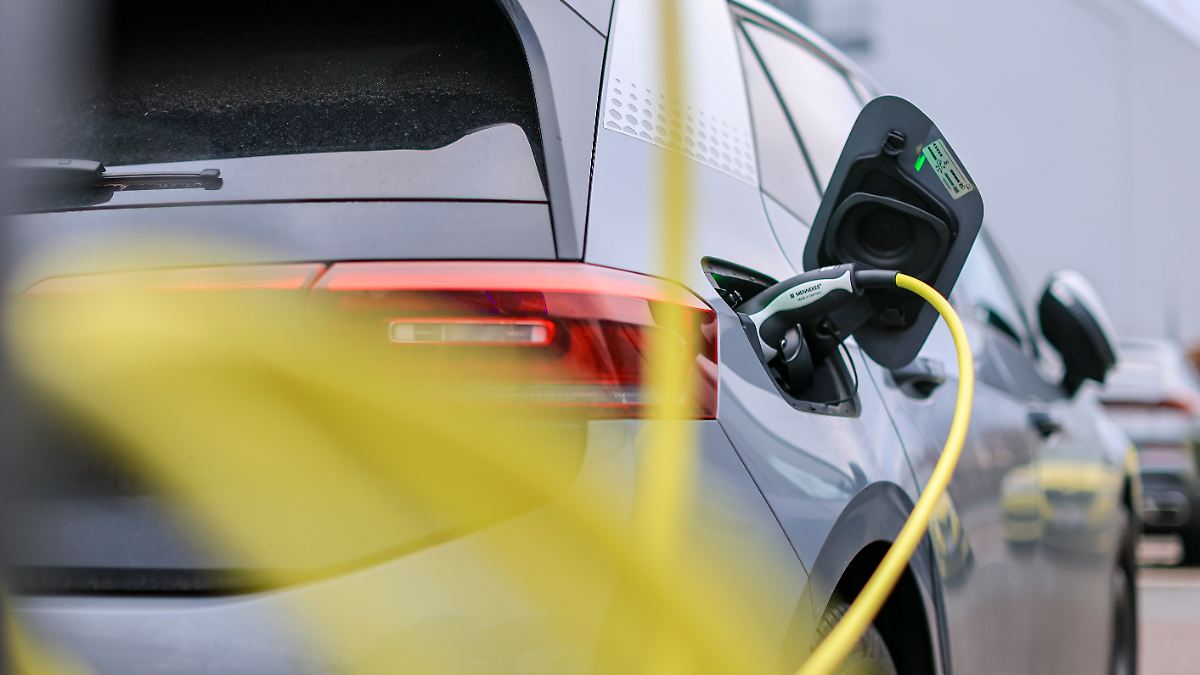
VW recalls nearly 72,700 EVs due to battery fire risk, per KBA
Volkswagen is recalling nearly 72,700 electric vehicles worldwide due to defective high-voltage battery cells that carry a rare risk of thermal overload and potential fire, according to data from the Kraftfahrt-Bundesamt cited by n-tv.de.
Volkswagen Recalls 72,700 Vehicles Globally
The recall affects approximately 10,000 vehicles in Germany out of the 72,700 total units globally, n-tv.de reported. The affected models comprise primarily the Volkswagen ID.3, ID.4, ID.7, and ID. Buzz, alongside the Cupra Born manufactured by Volkswagen’s Spanish subsidiary. Production dates for the core Volkswagen models span from 2022 to 2025, while the Cupra Born units involved were built between 2022 and 2024. Additional international markets are managing parallel actions, with regulators in the United States noting more than 22,000 ID.4 vehicles under review.
Battery Cell Defects Trigger Charging Limits
Internal quality checks revealed that specific high-voltage battery cells from external suppliers fail to meet required manufacturing standards. While incidents involving property damage or personal injury remain unreported according to Kraftfahrt-Bundesamt data cited by n-tv.de, the defect can trigger elevated thermal stress within the battery. As a preliminary containment measure, vehicle owners are instructed to limit charging capacity to a maximum of 80 percent and apply warning stickers, as detailed by heise online. Technical limits are deployed automatically where supported, restricting full charging capacity until service technicians inspect and clear the battery modules.

Owners Check Vehicle Identification Numbers for Repairs
Registered owners will receive formal notification letters outlining local appointment procedures and service contacts, though vehicle identification numbers can already be checked directly via the Kraftfahrt-Bundesamt database. The exact repair protocol inside service centers remains under evaluation, with a Volkswagen spokesperson previously indicating that a complete module replacement may not be necessary if a software update resolves the issue. This action follows a global recall in late September involving roughly five million vehicles due to a corrosion-prone steering bolt, alongside an earlier March recall that targeted more than 90,000 electric vehicles globally for battery problems.