Volkswagen Plans Massive Restructuring With Potential for 100,000 Job Cuts and Factory Closures
Volkswagen is weighing a restructuring plan that could eliminate up to 100,000 jobs worldwide, a move that would slash approximately one in seven employees across the group. Reports from Manager Magazin, corroborated by Reuters and Motor1, indicate the automaker is aggressively expanding its cost-reduction targets to combat declining performance in China, fierce competition, and the expense of the electric vehicle transition.
The Threat to German Production Hubs
The strategy targets the potential closure of four German manufacturing sites. According to fdrive.cz, the facilities under consideration include Volkswagen plants in Hannover, Emden, and Zwickau, alongside an Audi production site in Neckarsulm.
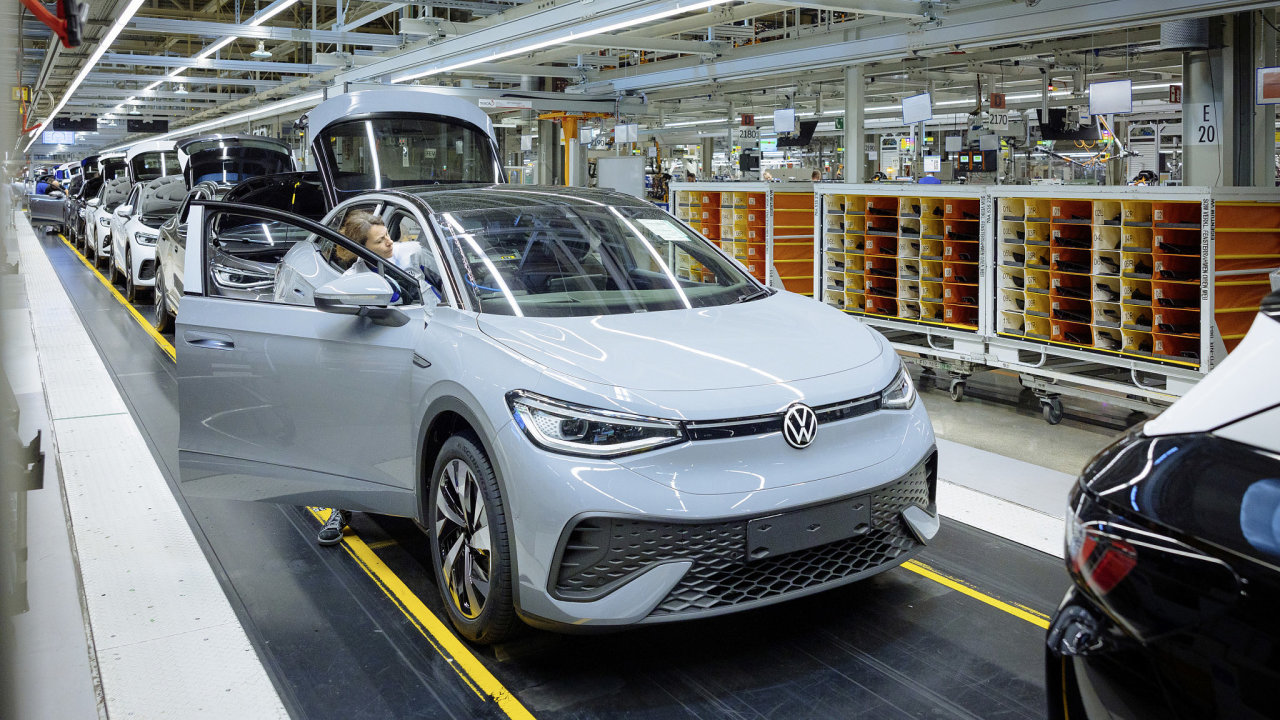
The risk to Emden and Zwickau is particularly acute. Both sites recently received substantial capital investment to support the shift to electric power; Zwickau operates as a primary hub for the modular electric drive matrix (MEB) platform, while Emden produces the ID.4 and ID.7. While closures remain under discussion, reports suggest production would likely persist until current model cycles conclude.
A 130 Billion Euro Spending Cap
Oliver Blume is moving to strip complexity from the group’s operations. To increase efficiency, leadership is reviewing capital expenditure with a target to decrease investment by approximately 15 percent over the next five years. This would bring total spending to something over 130 billion euros.
The restructuring extends beyond the balance sheet to the very architecture of the company. Sources indicate Volkswagen may separate the core brand and the components division into independent legal entities to streamline management across its brand portfolio.
Admitting a Broken Business Model
Volkswagen has not officially confirmed the 100,000-job figure, noting that major decisions require approval from corporate governing bodies. However, the automaker admitted in a statement to the media that its existing business model is no longer viable for all brands within the group.
The company pointed to a storm of pressures: the high cost of electromobility, intensifying competition from Chinese rivals, and the weight of international trade policies, specifically U.S. tariffs.
The July 9 Supervisory Board Meeting
The fate of the workforce now rests with the Volkswagen supervisory board, which is scheduled to discuss the group’s strategic direction through 2030 on July 9. That meeting will determine if the reported staff reductions transition from internal discussions to the company’s official long-term target.