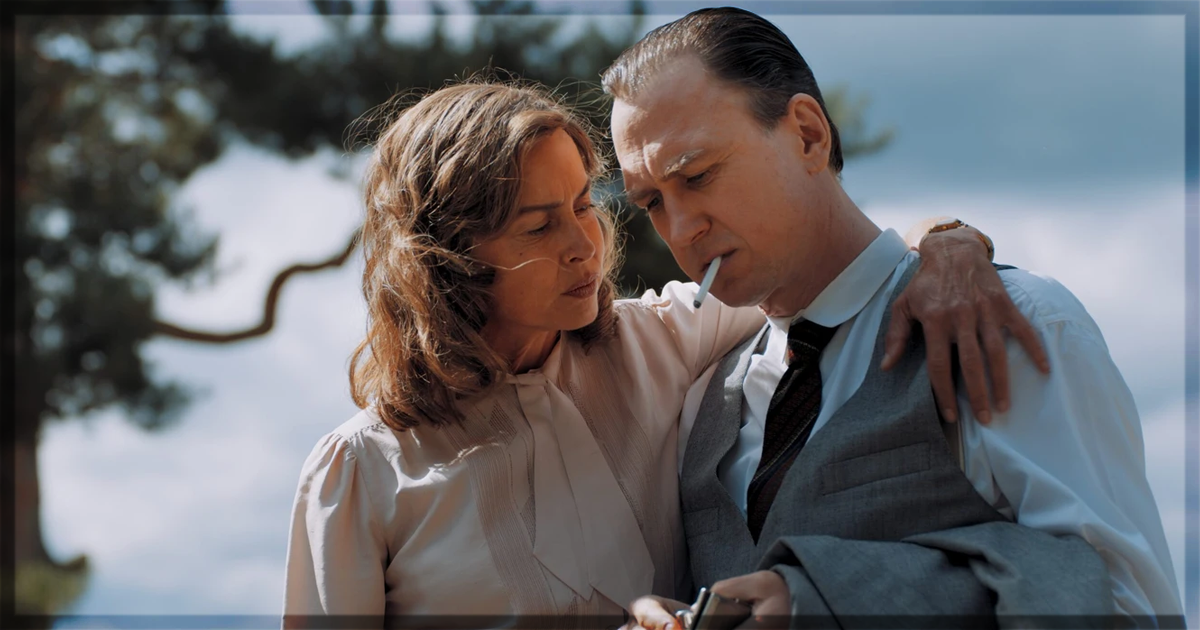
Volker Schlöndorff’s Visitation Premieres at Cannes: A Masterful Blend of History and Metaphor
Volker Schlöndorff’s feature film Visitation (Heimsuchung), presented at the Festival de Cannes in May 2026, chronicles the history of a single house near Berlin through political collapse, war, and ideological upheaval. Spanning from the 1930s to the fall of the Berlin Wall, the 118-minute German production tracks twelve distinct characters seeking shelter within a volatile landscape, anchoring grand historical shifts in the intimate domestic space of a residential shore.
Tracing the Structural Evolution of the Lakehouse Across Eras
According to official festival documentation from the Festival de Cannes, the narrative structure of Visitation unfolds in distinct historical phases tied to the inhabitants of the lakeside property. The property forces a Jewish family to sell during the Nazi era before an architect constructs a Bauhaus-style home on the grounds. Following the conclusion of the Second World War, that same architect attempts to realize major construction projects under the German Democratic Republic that were previously denied to him under Nazi rule. After his subsequent escape to the West, the house transforms into a sanctuary for a writer couple returning from Soviet exile.
World history impacts these residents directly. As noted by the Festival de Cannes, twelve people move through the narrative dreaming of domestic stability, yet the surrounding shore remains largely untouched by their individual fates. The physical structure absorbs the passage of decades while political systems fracture and rebuild around it.
Cinematic Metaphysics and the Visual Integration of Archive Material
Beyond standard narrative progression, the film incorporates a distinct visual style that bridges fiction and documentary history. According to coverage from The Edge, Visitation integrates historical footage directly into the fictional narrative, allowing past events to surface like memory through matter. Director Volker Schlöndorff relies on elemental anchors—including water, sky, silence, gardens, snowfall, and summer light over the lake—to establish an emotional architecture beneath the political violence.
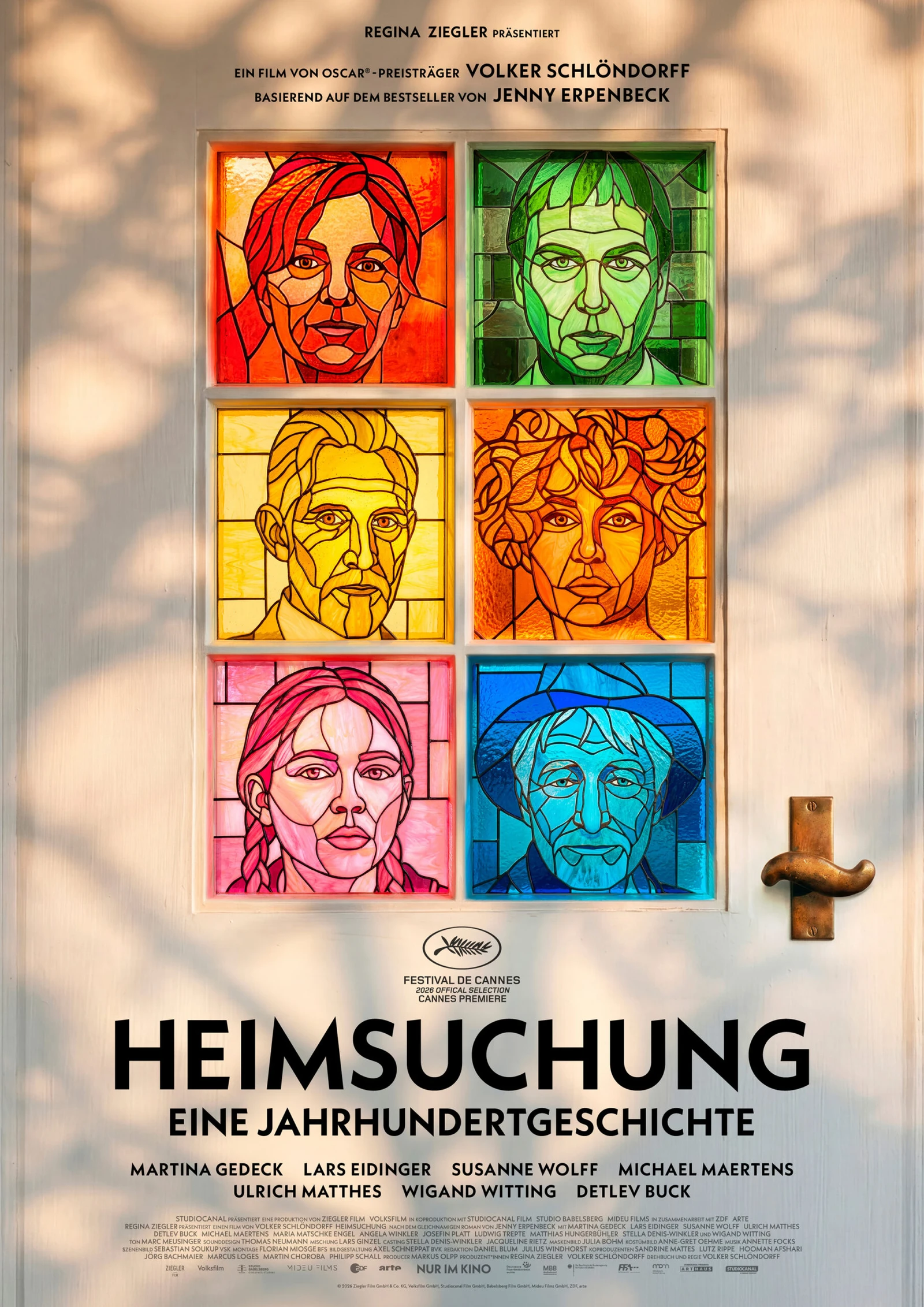
At the center of this framework stands an ageless, wordless gardener character. The Edge describes this figure as drifting through decades untouched by chronology, planting, repairing, and observing while the inhabitants depend upon him with quiet respect. Schlöndorff positions this presence as a floating element that guides the project toward fable and metaphysical reflection, allowing the house to absorb historical transitions like changing weather patterns.
Production Background and Industry Positioning
The 2026 production represents a continuation of Schlöndorff’s bilingual filmography spanning both English-language projects and his native German roots.

As festival season progresses, Visitation positions itself as a meditative examination of twentieth-century European history, relying on domestic intimacy rather than sweeping battle sequences to examine the fragility of civilization.
Disclaimer: The views and cultural analyses presented in this article are for informational and entertainment purposes only. Information regarding legal disputes or financial data is based on available public records.