
Indonesia’s Village-First Strategy: A Path to Global Competitiveness
Table of Contents
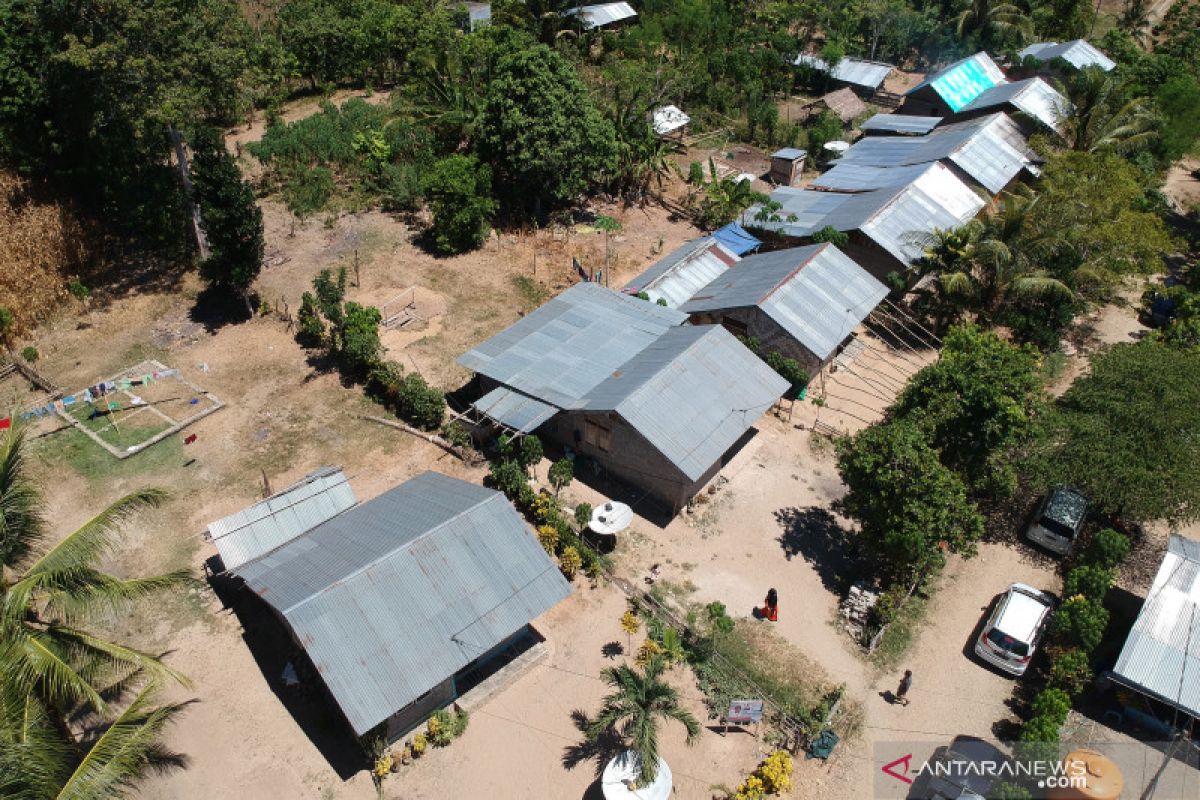
Jakarta - Indonesia’s Minister of Transmigration, Muhammad iftitah Sulaiman, delivered a compelling message on Sunday: the nation’s future prosperity hinges on a bold commitment to developing its villages. Speaking at the launch of the Patriot Expedition Team (TEP), Sulaiman asserted that genuine national progress isn’t built from the top down, but begins at the grassroots level.
“If we want to be on par with big nations, we must be brave to develop from the villages, open new frontiers, and strengthen the people’s economy,”
Sulaiman stated.
this isn’t simply a matter of rhetoric. Sulaiman’s vision acknowledges a crucial truth often overlooked in discussions of national advancement: economic power isn’t solely defined by technological advancement or vast capital reserves.It’s fundamentally rooted in a skilled, innovative, and adaptable human workforce - one willing to embrace opportunities even in the most remote regions.
Learning from Global Success Stories
Sulaiman drew parallels to triumphant development models implemented by other nations. He highlighted South korea’s Saemaul Undong
(New Village Movement), a bottom-up initiative that transformed rural communities in the 1970s. he also pointed to China’s remarkable progress in lifting millions out of poverty through integrated rural development, Germany’s robust network of local economic communities supporting industry, and the past impact of the American frontier spirit in turning previously unsettled lands into thriving centers of commerce.
These examples demonstrate a common thread: investing in people and places often left behind is not merely a social good, but a sound economic strategy. Indonesia’s transmigration program,a long-standing policy of relocating citizens to less populated areas,is being reframed as a key component of this strategy.
The Patriot Expedition Team: Bridging Knowledge and Action
The TEP program, according to the Minister, is designed to move beyond traditional research and community service.Its core mission is to formulate actionable policy recommendations, develop targeted economic and investment strategies, and foster collaboration across diverse sectors – economics, science, social affairs, and technology. Crucially, the TEP aims to bridge the gap between academic research and practical policymaking, ensuring that knowledge translates directly into tangible benefits for communities.
“This program is different from research, community service, or work-study activities that frequently enough end up as mere reports,” Sulaiman emphasized. “The Patriot Expedition Team ensures knowledge reaches the people.”
The team will focus on identifying and mapping the economic potential of transmigration areas, transforming them into new engines of national growth. This includes rigorous evaluation of regional strengths, development of locally-sourced commodities with competitive advantages, strengthening local governance structures, and building sustainable technological infrastructure.
The Minister’s vision positions transmigration not as a logistical exercise, but as a strategic investment in Indonesia’s future. By focusing on regional potential and empowering local communities, the program aims to unlock untapped economic opportunities and foster a more equitable distribution of wealth.
Looking Ahead
Indonesia’s commitment to village-level development represents a notable shift in outlook. It’s a recognition that true national strength isn’t measured solely by GDP or technological prowess, but by the resilience, innovation, and economic well-being of its people, particularly those in its rural communities. The success of the TEP program will be a crucial indicator of whether Indonesia can successfully navigate this path towards a more balanced and prosperous future.
