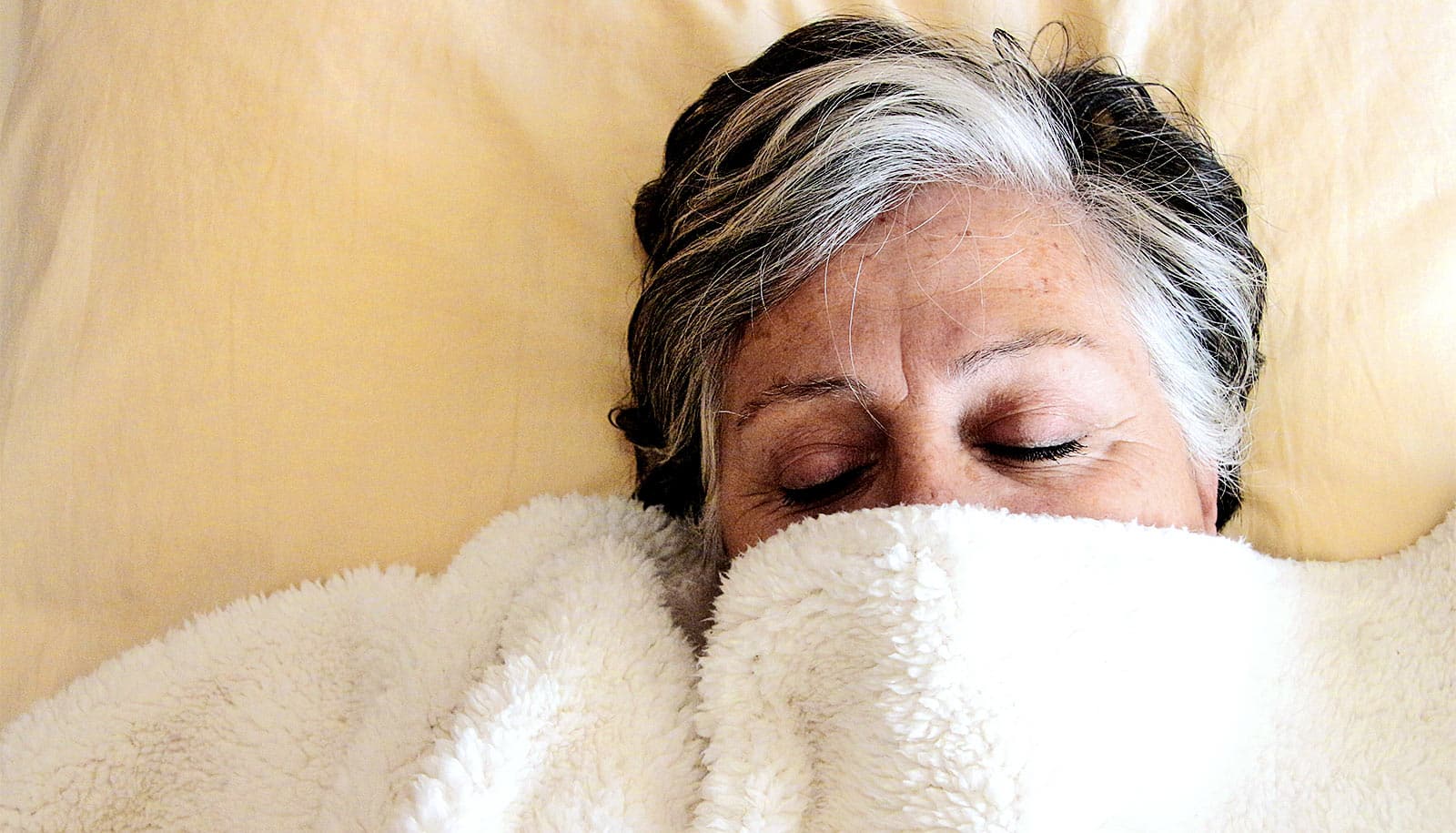
Vigorous Exercise Best for Sleep in Older Adults with Mild Cognitive Impairment: New Study Reveals Key Insights
The intersection of cognitive decline and sleep architecture has long been a clinical enigma, with conflicting data leaving providers uncertain about the ideal physical activity prescriptions for older adults. New evidence now clarifies this relationship, suggesting that exercise intensity is the primary lever for improving sleep quality in patients with mild cognitive impairment.
Key Clinical Takeaways:
- High-intensity (vigorous) exercise provides the most significant reduction in sleep disturbances for older adults with mild cognitive impairment (MCI).
- Objective monitoring via wearable technology reveals that moderate-intensity activity has no significant impact on sleep quality for this demographic.
- Addressing sleep deficits is a critical component of dementia prevention, as poor sleep is closely linked to increased cognitive morbidity.
For the estimated 8 to 10 million older adults in the United States living with mild cognitive impairment, the night is often a period of instability. These patients typically experience a sleep deficit of approximately 34 minutes per night compared to their peers, characterized by increased sleep latency and frequent nocturnal awakenings. This systemic instability is not merely a symptom of aging but a clinical risk factor; established medical consensus indicates that high-quality sleep is essential to reduce the risk of progressing toward full-onset dementia.
Overcoming the Limitations of Self-Reported Sleep Data
A persistent hurdle in geriatric research has been the reliance on self-reported surveys to measure sleep quality. For patients experiencing cognitive decline, these subjective accounts are often unreliable, leading to the contradictory findings seen in previous literature—where some studies praised light stretching while others suggested vigorous activity actually worsened sleep. To resolve this, researchers from the Center for Community Health and Aging at the Texas A&M University School of Public Health pivoted to objective biometric tracking.
Using Oura Rings to capture high-fidelity data, digital health care expert Jungjoo “Jay” Lee and health behavior expert Junhyoung “Paul” Kim monitored seven older adults residing in a long-term care facility. By analyzing physical movement, heart rate spikes and skin temperature changes over a 14-day period, the team could identify “restless sleep” without relying on the participants’ memory or perception. This shift toward objective measurement is a vital step in refining the standard of care for those with cognitive deficits.
“Most previous studies on sleep issues with this group relied on self-reported surveys, which can be problematic for participants with cognitive impairment,” says Jungjoo “Jay” Lee. “We used a more objective measurement.”
The Intensity Threshold: Vigorous vs. Moderate Activity
The study, published in the journal Digital Health, categorized physical activity into light, moderate, and vigorous tiers based on metabolic equivalent levels. The results revealed a stark contrast in efficacy. While light activity offered a modest reduction in sleep disturbances, moderate exercise—such as jogging—failed to produce a significant clinical impact.
The most profound results were tied to high-intensity workouts. According to the findings, for every additional second of vigorous activity, sleep disruptions decreased by nearly a fifth of a second. This suggests a dose-response relationship where the intensity of the exertion directly correlates with the stability of the sleep cycle. For clinicians, this indicates that “staying active” is insufficient; the intensity of the activity is the critical variable.
Managing these transitions in activity levels requires careful clinical oversight to avoid cardiovascular strain or injury. Patients transitioning to high-intensity regimens should be screened by board-certified geriatricians to ensure the prescribed intensity aligns with their overall physiological health and comorbidities.
Public Health Trajectory and Preventative Strategy
The urgency of these findings is underscored by the projected epidemiological shift in the U.S. Population. The number of older adults with mild cognitive impairment is expected to grow by 76%, potentially exceeding 21 million people by 2060. This looming surge in cognitive morbidity necessitates a shift toward scalable, non-pharmacological interventions that can be integrated into community health frameworks.
Tailored exercise programs—such as swimming lessons or organized group walking clubs—offer a practical pathway to prolonging quality of life. However, the implementation of these programs must be data-driven. Because the pathogenesis of sleep disturbance in MCI is complex, integrating wearable technology allows for the real-time titration of exercise intensity to optimize sleep hygiene.
For families and caregivers noticing a decline in sleep quality alongside early signs of memory loss, early intervention is paramount. We recommend coordinating care through specialized neurological diagnostic centers to establish a baseline of cognitive function before initiating vigorous exercise protocols.
“We found that high-intensity exercise is the best way to improve sleep for these older adults,” says Junhyoung “Paul” Kim. “Tailored exercise programs… Could be practical, fun, and long-lasting ways for these older adults to prolong their quality of life.”
As we move toward a more personalized model of geriatric care, the integration of biometric monitoring and intensity-specific exercise will likely become a cornerstone of dementia prevention. The ability to objectively quantify the impact of a workout on a patient’s nocturnal recovery transforms exercise from a general wellness suggestion into a targeted clinical intervention. To ensure these protocols are implemented safely, healthcare facilities are encouraged to partner with accredited sleep clinics to synchronize physical activity with circadian rhythm optimization.
The trajectory of this research suggests that we are moving away from a “one size fits all” approach to senior fitness. By targeting the specific metabolic demands of the brain and body, You can potentially mitigate the sleep-driven acceleration of cognitive decline, offering millions of older adults a higher quality of rest and a more resilient cognitive future.
Disclaimer: The information provided in this article is for educational and scientific communication purposes only and does not constitute medical advice. Always consult with a qualified healthcare provider regarding any medical condition, diagnosis, or treatment plan.
- Data Review Finds Checkpoint Inhibitors Do Not Improve Survival in LS-SCLC
- Blueberry Powder Affects Gut Genes but Not Mood, Study Finds
- Taraia Object Was Likely Trees. The Castaway Case Rests on Older Clues (daybreakwire.com)
- LIV Golf Bankruptcy Hearing Reveals Restructuring Timeline (newsdirectory3.com)