
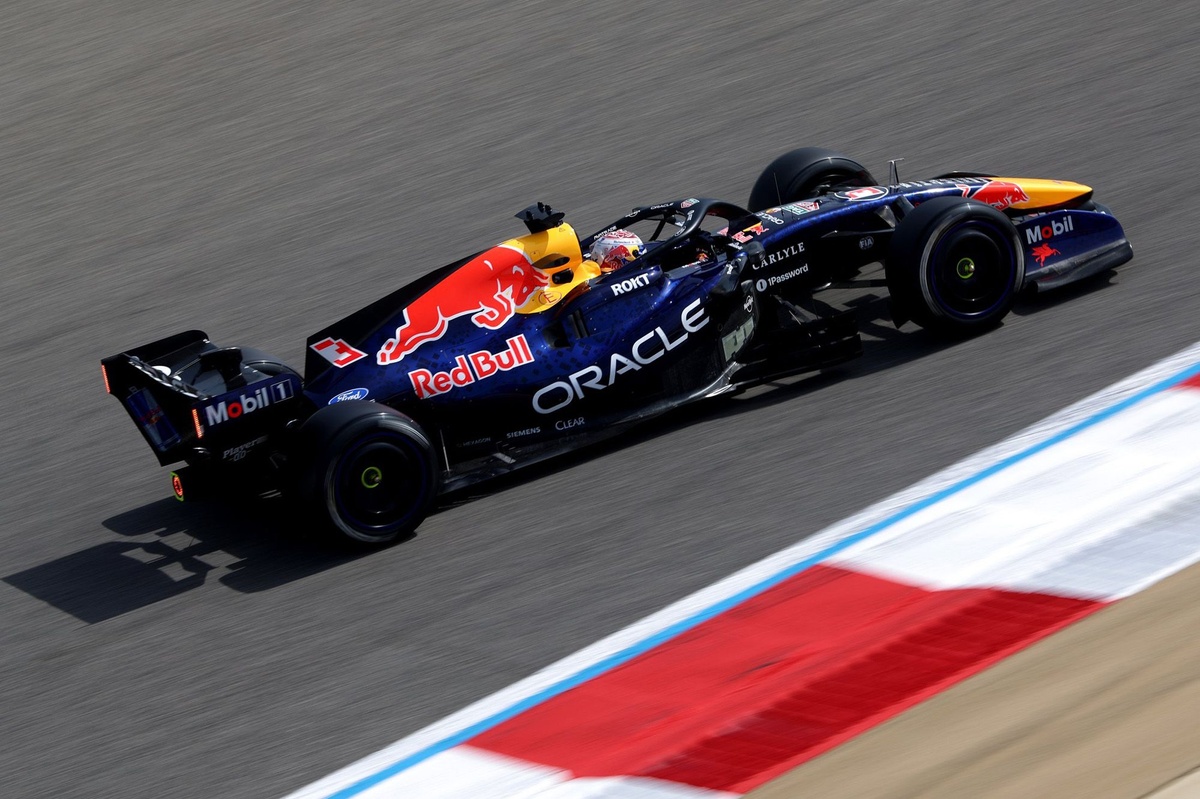
Max Verstappen has delivered a scathing critique of Formula 1’s new generation of cars, describing them as “not a lot of fun” and comparing the driving experience to “Formula E on steroids.” The four-time world champion’s comments, made during pre-season testing in Bahrain on Thursday, raise serious questions about the direction of the sport’s technical regulations for 2026.
Verstappen, driving the Red Bull RB20 powered by a new Red Bull powertrain, completed 136 laps on Wednesday before voicing his concerns. He specifically highlighted the extensive energy management required, stating that the focus on efficiency detracts from the core enjoyment of driving a Formula 1 car. “To drive, not a lot of fun, to be honest,” he told reporters. “I would say the right word is management. It’s not very Formula 1-like.”
The 2026 regulations represent a significant overhaul of F1’s car designs, with a greater emphasis on sustainable fuels and a more powerful electrical component within the hybrid power unit. The intention was to create closer racing and a more sustainable future for the sport. However, Verstappen’s assessment suggests the new rules may have unintended consequences, potentially sacrificing the visceral driving experience that has long been a hallmark of Formula 1.
A key concern raised by Verstappen is the potential for drivers to be forced to significantly reduce speed on straights to conserve energy. He fears this will be particularly problematic at circuits with long straights, citing Melbourne, Monza, Spa and Las Vegas as potential trouble spots. “Maybe we’ll have to brake halfway down the straight because we’ve run out of energy,” he said, adding that such a scenario “makes no sense.”
The issue stems from the increased electrical power and the need to manage energy deployment effectively. Early simulations indicated drivers might have to “clip” or drastically reduce power on straights to avoid depleting the energy store. Whereas the FIA has introduced measures like active aerodynamics and a mandatory ramp-down rate to mitigate this, Verstappen remains skeptical. He suggested the rulemakers may not have fully grasped the extent of the problem.
Verstappen too alluded to the possibility of exploring other racing opportunities if the 2026 F1 cars fail to provide a satisfying driving experience. He has recently participated in endurance racing events, including outings at the Nürburgring, and hinted at a potential entry in the 24 Hours of Nürburgring. “As a pure driver, I enjoy driving flat out,” he said. “And at the moment, you cannot drive like that.”
The concerns voiced by Verstappen come at a sensitive time for Formula 1, particularly as it seeks to capitalize on its growing popularity, fueled in part by the success of the Netflix series Drive to Survive. A recent deal with Apple to stream F1 races in the US was predicated on continued audience growth, and a compromised on-track spectacle could jeopardize that expectation.
While teams are working to optimize energy recovery strategies – including experimenting with lower gears to charge the battery – the initial feedback from Verstappen suggests a significant challenge lies ahead. The effectiveness of these strategies will become clearer as testing progresses and the cars run in race conditions, particularly at circuits like Baku, where drivers spend a considerable amount of time at full throttle.
