
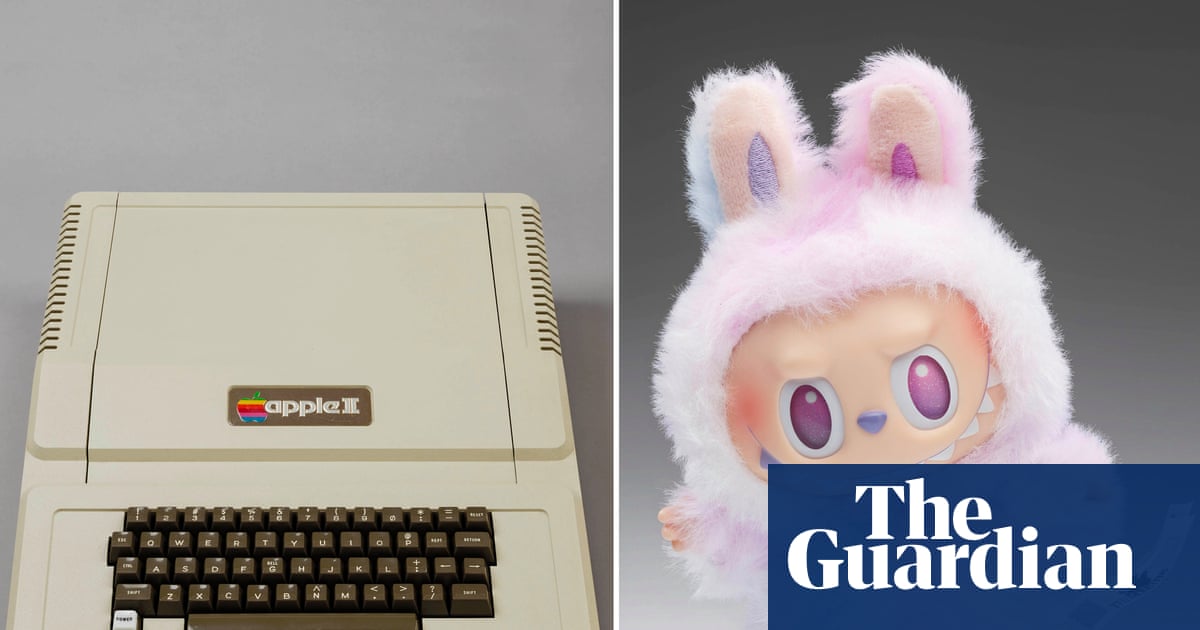
The Victoria and Albert Museum (V&A) this week reopened its updated 21st-century design galleries, showcasing a diverse collection of 250 objects that illustrate the impact of design on modern life. Among the exhibits are seemingly disparate items: the first-ever baby monitor, Nigeria’s 2018 World Cup kit, an 80s boombox, a “Please offer me a seat” badge, a Labubu figure, and the fragmented remains of Edward Snowden’s computer.
The galleries, spanning two rooms, are organized around six thematic areas – housing and living, crisis and conflict, consumption and identity – rather than a strict chronological order. This approach allows for juxtapositions that highlight recurring social themes and demonstrate how design responds to, and reflects, evolving societal concerns. For example, a poster from 1992 protesting racist murders following the death of teenager Rohit Duggal is displayed alongside a commemoration of Eric Garner, killed by a police officer in 2014.
Sixty new additions have been incorporated into the galleries, alongside eleven objects sourced from the V&A’s Rapid Response scheme. This initiative invites public suggestions for contemporary objects that capture the spirit of the times. Recent additions include Snake Island stamps, symbolizing Ukrainian resistance to Russia, a “life medal” awarded to environmental activists facing imprisonment, and the Labubu figure.
The inclusion of Edward Snowden’s destroyed computer hardware, on loan from The Guardian, is a particularly striking element. The laptop and hard drive were dismantled under the supervision of GCHQ officials following Snowden’s leaks of classified NSA documents. According to Kieran Long, a former senior curator at the V&A, the decision to display the wreckage was initially debated, with concerns raised about appearing to take a political stance. But, the museum ultimately determined that the objects held historical significance, comparable to items deliberately destroyed during periods of religious and political upheaval in the past.
Corinna Gardner, the V&A’s senior curator of design and digital, explained that the galleries aim to “inform an understanding of today through the past” and to encourage visitors to consider “a collective sense of what a future that we all might want can be, and the role design plays within that.” She highlighted the inclusion of everyday objects, such as an Ikea lamp, to demonstrate how design permeates all aspects of life. The lamp, she noted, is “designed as much to be compact for transport as it is to be beautiful in the home.”
The exhibition also explores the origins of familiar designs. The first baby monitor, created in 1937 by Isamu Noguchi, was inspired by the 1932 kidnapping of the Lindbergh baby. The widespread use of plywood as a commercial material dates back to Charles and Ray Eames’ development of plywood splints for soldiers during World War II. The burkini, designed in 2004 by Aheda Zanetti, emerged from her observation of her niece’s difficulty playing netball while adhering to modest dress requirements.
Even seemingly obscure innovations are represented. A section of carbon-fibre rope, for instance, is a crucial component enabling the operation of lifts in the 1km-high Jeddah Tower in Saudi Arabia. The display of these objects, alongside the antique books and the librarians who care for them, is intended to provoke discussion and challenge conventional perceptions of design’s role in society. Gardner noted the “giggles from the librarians” upon seeing the Labubu figure placed among the books, illustrating the unexpected reactions the exhibition aims to elicit.
