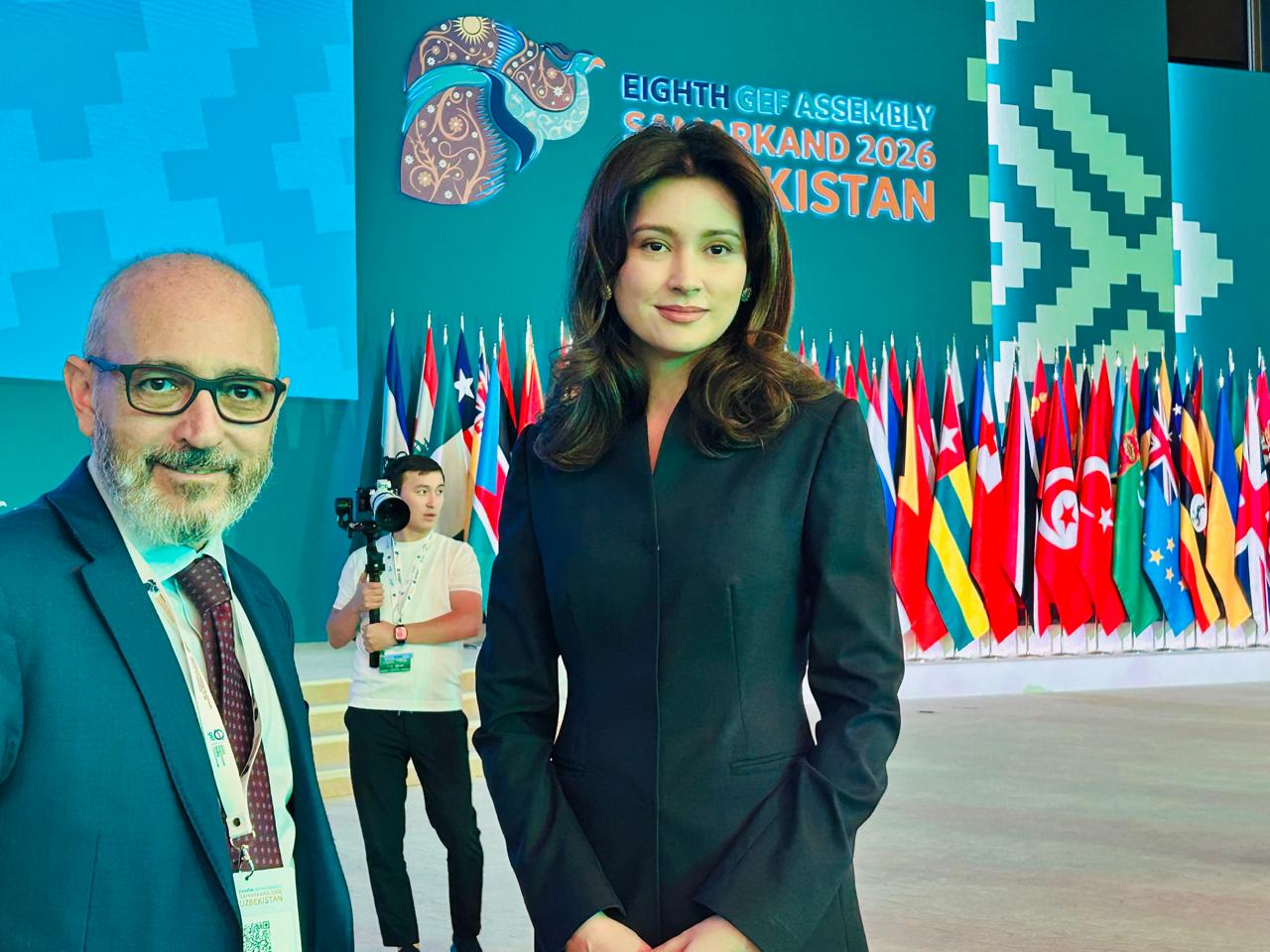
Uzbekistan to Become Donor to Global Environment Facility
Uzbekistan, a Central Asian nation long reliant on international climate funding, has stunned observers by announcing it will become a donor to the Global Environment Facility (GEF) at the ongoing Eighth Assembly in Samarkand. This marks a historic shift for a country that has received over $1.2 billion in GEF grants since 2000—now it will contribute $50 million annually to global environmental projects. The move reflects Uzbekistan’s rapid economic diversification under President Shavkat Mirziyoyev, whose government has prioritized sustainability in its post-cotton economy transition. The decision carries implications for regional climate governance, donor-recipient dynamics, and Central Asia’s geopolitical influence in global environmental finance.
The Problem: A Donor Paradox in Central Asia
Uzbekistan’s pivot from aid recipient to donor is not just symbolic. It forces a reckoning with a fundamental question: How does a developing nation with its own climate vulnerabilities—including water scarcity, soil degradation, and desertification—suddenly become a net contributor to global environmental efforts? The answer lies in a confluence of economic, diplomatic, and ecological factors that have reshaped Tashkent’s priorities.
For decades, Uzbekistan’s economy was dominated by cotton monoculture, a practice that devastated its Aral Sea region and left its agricultural sector dependent on Soviet-era subsidies. Today, that model is collapsing. The government has invested $12 billion in water infrastructure since 2017, including the Syr Darya and Amu Darya river restoration projects, which have already increased Uzbekistan’s grain exports by 40% [World Bank, 2025]. This economic transformation has created fiscal breathing room—and political capital.
“This is not charity. It’s strategic repositioning. By funding GEF projects, Uzbekistan secures a seat at the table where global climate policy is decided. It’s a way to leverage influence without losing sovereignty over its own environmental agenda.”
Why Samarkand? The Geopolitical Chessboard
The choice of Samarkand as the host city for the GEF Assembly is no accident. The Silk Road city, once a crossroads of civilizations, is now a symbol of Uzbekistan’s ambition to reassert its cultural and economic leadership in the region. By positioning itself as a donor, Tashkent is sending a clear message to its neighbors—and to Western donors—that Central Asia is no longer a passive recipient of aid.
For Kazakhstan and Turkmenistan, Uzbekistan’s move could accelerate regional climate cooperation. The three nations share the Aral Sea basin, and joint projects under GEF funding—such as the proposed $300 million transboundary water management initiative—could become more viable with Uzbekistan’s financial commitment. Meanwhile, Russia and China, both with significant interests in Central Asia, may see this as an opportunity to deepen ties with Tashkent on environmental governance, potentially sidelining Western influence.
The Solution: Who Benefits—and Who Needs to Act Now?
Uzbekistan’s donation creates both opportunities and challenges. For local businesses and NGOs working in environmental restoration, this shift could unlock new funding streams—but it also demands higher accountability. Here’s how different stakeholders should respond:
- Environmental Consultancies: Firms specializing in sustainable infrastructure projects in Central Asia will see increased demand as Uzbekistan aligns its domestic policies with GEF standards. The government has already signaled it will prioritize projects in renewable energy and water efficiency, creating a pipeline for pre-qualified consultants.
- Legal & Compliance Firms: With Uzbekistan now subject to GEF’s stringent reporting requirements, companies operating in the country will need environmental law specialists to navigate new disclosure obligations. The GEF’s Performance Measurement Framework requires donors to track project outcomes rigorously—a process unfamiliar to many Uzbek enterprises.
- Local NGOs & Community Groups: Grassroots organizations focused on climate adaptation in rural Uzbekistan may gain access to GEF-funded capacity-building programs. However, they must move quickly to register with the new GEF Civil Society Network, which opens its first Central Asia hub in Tashkent by year-end.
The Human Cost: Who Loses in the Transition?
Not everyone in Uzbekistan celebrates this shift. In the Fergana Valley, where smallholder farmers still rely on Soviet-era irrigation systems, the transition to GEF-aligned “climate-smart agriculture” has been met with skepticism. Many fear that new water-saving technologies will reduce their yields—or that foreign-funded projects will prioritize large-scale industrial farms over their livelihoods.
“We don’t need lectures on sustainability from people who’ve never farmed here. The GEF talks about ‘efficient water use,’ but what does that mean when your wells run dry in summer? We need real solutions, not more reports.”
This tension highlights a critical gap: Uzbekistan’s donation is a top-down decision, but its success depends on bottom-up implementation. Without inclusive planning, the risk is that GEF projects will deepen inequality, benefiting urban elites while leaving rural communities behind.
Looking Ahead: The GEF Donor Club’s New Dynamics
Uzbekistan’s entry into the GEF donor club is part of a broader trend. Since 2020, five other lower-middle-income countries—including Vietnam, Morocco, and Ghana—have joined as donors, reflecting a global shift in climate finance. The question now is whether this will lead to a more equitable system—or simply replicate the power imbalances of traditional donor-recipient relationships.

For Uzbekistan, the stakes are high. Its donation is tied to a $1.5 billion pledge to restore the Aral Sea’s northern basin by 2035. To meet this goal, the government will need to partner with specialized water infrastructure firms and international environmental law advisors to ensure compliance with GEF’s stringent environmental impact assessment (EIA) protocols.
| Uzbekistan’s GEF Commitment | Potential Impact | Key Challenges |
|---|---|---|
| $50 million annual donation | Increased leverage in global climate negotiations | Balancing domestic climate needs with donor expectations |
| Leadership in Aral Sea restoration | Regional water cooperation with Kazakhstan/Turkmenistan | Local resistance to large-scale infrastructure projects |
| New GEF-aligned policies | Attraction of foreign investment in renewables | Corporate compliance with GEF reporting standards |
The Editorial Kicker: A Warning for the Unprepared
Uzbekistan’s donation is more than a financial contribution—it’s a geopolitical gambit. For businesses, NGOs, and legal firms operating in Central Asia, this shift demands immediate action. The window to position yourself as a trusted partner in Uzbekistan’s green transition is narrow. Those who fail to adapt risk being left behind as Tashkent reshapes the rules of climate finance.
Need to navigate this changing landscape? The World Today News Directory connects you with verified professionals already working at the intersection of Uzbek environmental policy and global funding mechanisms. Don’t wait—your competitive edge depends on it.