USPS Refuses to Deliver Mail-In Ballots to States Not Handing Over Voter Rolls
USPS Chief Sparks Outrage with Threat to Withhold Mail Ballots Unless States Share Voter Data
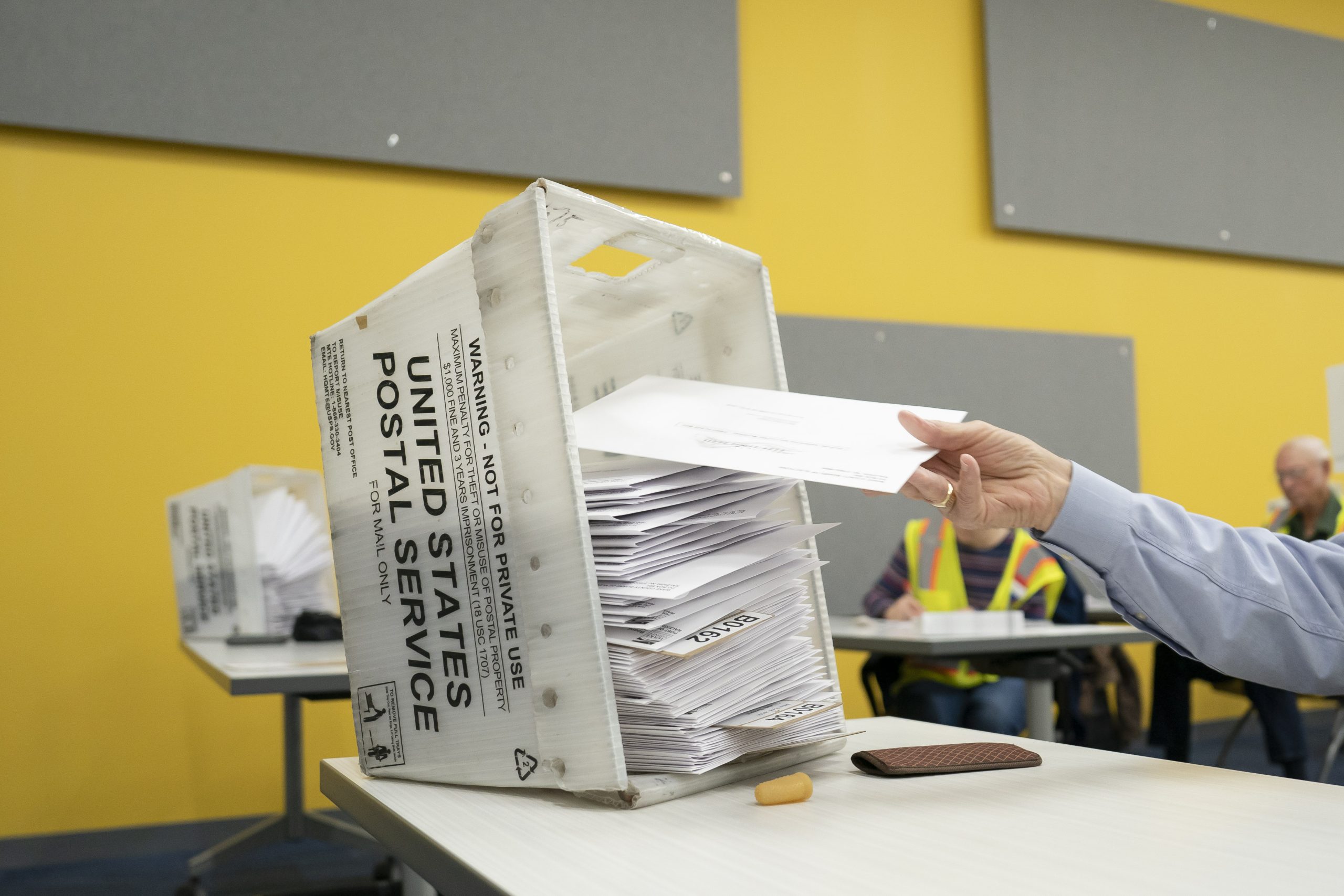
Postmaster General David Steiner told a Senate committee on June 24, 2026, that the U.S. Postal Service would refuse to deliver mail-in ballots in states that do not share voter registration lists with the Trump administration, triggering accusations of unconstitutional coercion and voter suppression.
Why This Rule Is a Legal and Political Flashpoint
During a Senate Homeland Security Committee hearing, Steiner confirmed that the USPS’s proposed regulation would require states to provide “manifests” of absentee voters to the federal government or risk losing mail ballot delivery. Democratic senators, including Gary Peters (D-Mich.) and Richard Blumenthal (D-Conn.), condemned the move as a dangerous overreach that violates long-standing election norms.

“You’re making a decision that people cannot vote by mail,” Peters said, calling the rule “unacceptable.” Blumenthal argued the USPS had no authority to dictate state election procedures, stating, “You run the Postal Service, you deliver the mail. You don’t review ballots or registration.”
What’s at Stake for State Governments and Voters
The rule directly impacts states like Illinois, where Governor JB Pritzker vowed to challenge the policy. “Illinois expanded vote-by-mail because we believe voting should be easier, not harder,” Pritzker wrote. “Now, Trump’s Postmaster General is threatening to withhold mail ballots unless states turn over voter rolls. That’s not election security. It’s voter suppression.”
Legal experts warn the policy could create a patchwork of access to mail-in voting, disproportionately affecting low-income and rural voters who rely on the postal system. “The Post Office can’t refuse to deliver mail to try and get policy concessions,” said Aaron Reichlin-Melnick of the American Immigration Council, calling the rule “illegal.”
Historical Precedent and Constitutional Concerns
The USPS’s role in elections has historically been limited to delivering ballots, not overseeing their verification. The Founding Fathers enshrined this separation of powers, but Steiner’s stance has reignited debates about federal overreach. Political scientist Norman Ornstein called the Postmaster General “a disgraceful traitor to American values,” while Robert E. Kelly argued Trump’s tactics represent a “deeply malign gimmick” that could reshape the political landscape.
“The laws and norms around mail are poorly known because no one ever thought to try this gambit before,” Kelly wrote. “But now, because Trump insists on politicizing the bureaucracy, this whole thing will go to court just months before the election.”
How This Impacts Local Infrastructure and Legal Systems
States that resist the rule may face delays in ballot delivery, straining local election offices and postal hubs. In Illinois, for example, the state’s 108 counties would need to navigate legal challenges while maintaining voting access. “This is a logistical nightmare,” said election lawyer Maria Gonzalez. “Local governments are caught between federal demands and their duty to protect voter rights.”

The rule also raises questions about data privacy. Voter rolls contain sensitive information, and forcing states to share them could expose citizens to misuse. “There’s no legal basis for this,” said civil liberties advocate Jamal Thompson. “The USPS is crossing a line that’s been clear for decades.”