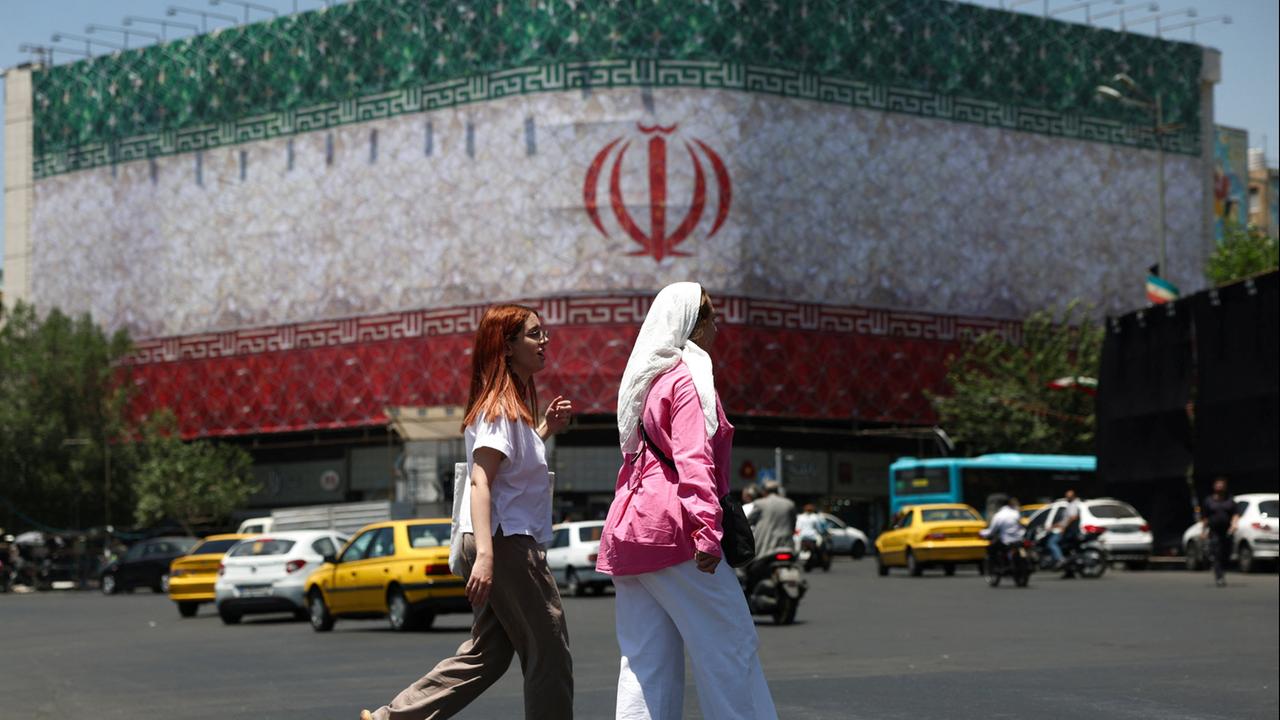
USA-Iran Statement of Intent: What the Agreement Reveals
The United States and Iran have entered into a preliminary memorandum of understanding aimed at de-escalating regional military tensions and establishing a framework for indirect communication regarding nuclear oversight. This agreement, disclosed on June 17, 2026, seeks to stabilize volatile maritime corridors in the Persian Gulf and prevent accidental military escalation between the two nations.
Establishing the Parameters of the Memorandum
The memorandum functions as a non-binding roadmap rather than a formal treaty. According to diplomatic briefings, the document outlines specific protocols for “hotline” communication between regional naval commanders to minimize the risk of skirmishes in the Strait of Hormuz. This is a pragmatic shift from the rhetoric that has dominated bilateral relations for the past decade.
For businesses operating within the energy and shipping sectors, this move signals a potential, albeit fragile, reduction in regional risk. However, the legal landscape remains complex. Companies navigating these waters are increasingly turning to international maritime law firms to ensure their logistics and insurance policies align with shifting sanctions regimes and regional safety mandates.
The memorandum is not an end to the conflict, but an admission that the current level of friction is unsustainable for regional infrastructure and global supply chain stability.
Historical Precedents and Macro-Economic Implications
To understand the weight of this development, one must look at the U.S. Department of State’s long-standing policy framework regarding non-proliferation. Unlike the 2015 Joint Comprehensive Plan of Action (JCPOA), this agreement focuses heavily on immediate military containment rather than long-term economic integration.
Economists tracking the region note that even a minor decrease in military posturing can lead to significant fluctuations in global oil benchmarks. The primary objective for the U.S. remains the protection of transit routes, while Iran seeks a mechanism to alleviate the pressure of existing U.S. Treasury Office of Foreign Assets Control (OFAC) sanctions.
Market Impact and Risk Mitigation
The ambiguity of the agreement leaves many commercial entities in a state of high alert. When geopolitical shifts occur, the immediate fallout involves compliance audits and supply chain restructuring. Organizations often find that their internal protocols are insufficient to handle sudden changes in international trade law. Engaging with global trade compliance consultants has become the standard for firms attempting to maintain operations without violating fluctuating international statutes.
Expert Perspectives on Diplomatic Sustainability
Regional observers remain cautious. Dr. Arash Alizadeh, a senior analyst specializing in Middle Eastern security, suggests that the success of this memorandum depends entirely on the transparency of the communication channels established in the document.
“The memorandum provides the necessary machinery for a ceasefire, but it does not address the underlying ideological friction. It is a technical solution to a political problem, which makes it effective in the short term but inherently brittle.”
Furthermore, the International Atomic Energy Agency (IAEA) continues to maintain that any lasting stability requires verified, transparent reporting on nuclear materials, which remains outside the scope of this specific memorandum. This creates a dual-track reality: military de-escalation on one hand, and persistent diplomatic deadlock on the other.
Logistical Realities for Global Stakeholders
For those managing international assets, the current climate requires more than just monitoring headlines. It requires active risk assessment. The following table outlines the key areas of concern for businesses currently operating in or near the affected zones:
| Risk Category | Primary Challenge | Mitigation Strategy |
|---|---|---|
| Maritime Security | Naval skirmishes in the Strait of Hormuz | Enhanced insurance coverage and security escorts |
| Regulatory Compliance | Rapid shifts in OFAC sanctions | Regular audits by international sanctions counsel |
| Supply Chain | Port delays and rerouting requirements | Diversification of logistical hubs |
The reality is that while the memorandum is a positive step, it does not erase the legal risks associated with operating in a sanctioned jurisdiction. Businesses must continue to prioritize due diligence. Whether you are managing corporate risk or navigating complex international trade agreements, the necessity of professional guidance cannot be overstated. Securing the support of vetted risk management firms is the only way to insulate an organization from the volatility inherent in current U.S.-Iran relations.
As the implementation of this memorandum unfolds, the global community will be watching to see if the “hotline” remains open or if the channels of communication collapse under the weight of historical distrust. For now, the status quo is defined by a tense, calculated silence—a fragile peace that demands constant vigilance from those who operate in its shadow.