US Strikes Iranian Radar Sites-Tehran Retaliates with Missile Attacks on Kuwait & Bahrain
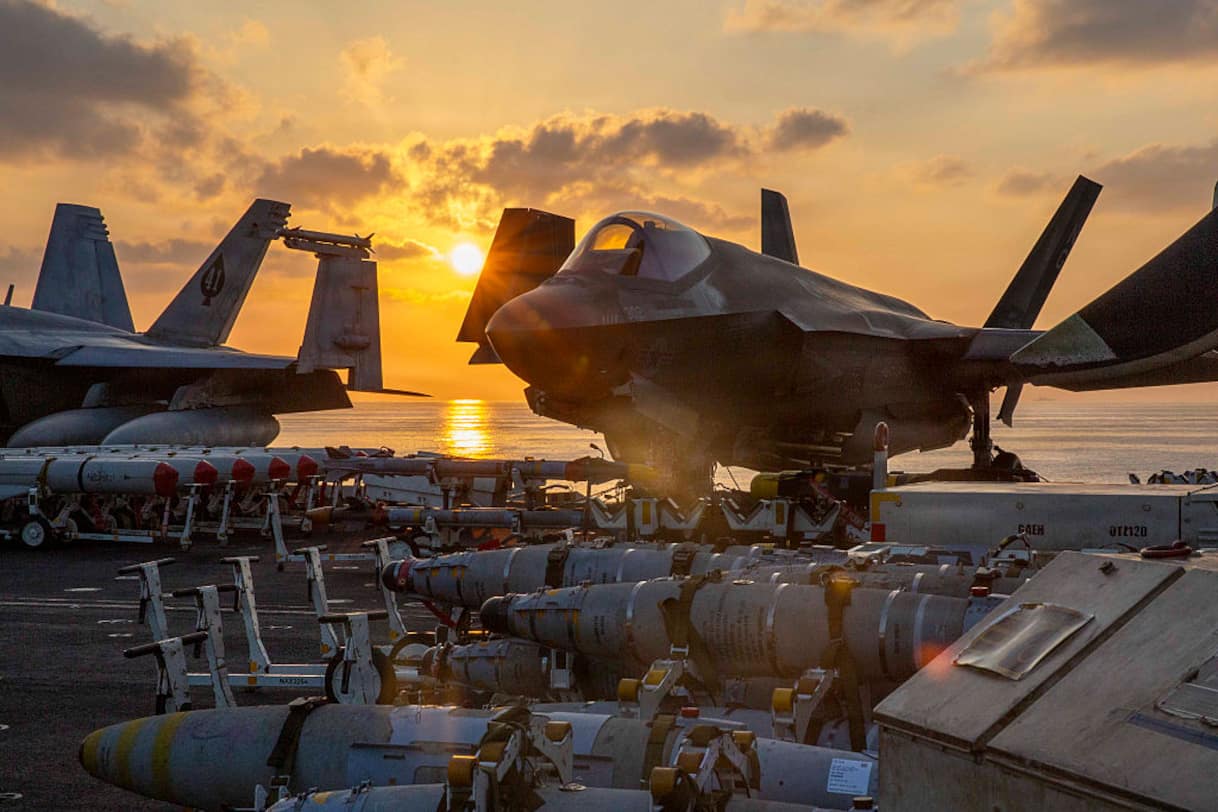
United States military forces have executed precision strikes against radar installations in Goruk and Oeshm, escalating regional hostilities. In retaliation, Iranian Revolutionary Guard units launched ballistic missiles targeting Kuwait and Bahrain. This surge in kinetic engagement threatens critical maritime chokepoints and destabilizes the security architecture of the Persian Gulf.
The current volatility, unfolding as of June 6, 2026, represents a fundamental rupture in the regional status quo. By striking radar infrastructure, the U.S. Has signaled a shift toward systematic neutralization of Iranian early-warning capabilities, while the subsequent Pasdaran missile barrages into Kuwait and Bahrain signal a widening of the theater of operations beyond proxy skirmishes.
For multinational corporations and institutional investors, this is no longer a localized diplomatic dispute; it is a systemic risk event. The targeting of sovereign nations like Kuwait and Bahrain—key nodes in regional energy logistics—forces an immediate reassessment of asset security and supply chain continuity.
The Erosion of Deterrence and the New Security Calculus
The immediate fallout of these exchanges is the total collapse of the existing ceasefire framework. Tehran has categorized the U.S. Actions as a “flagrant violation” of prior agreements, a narrative that serves to justify the expansion of its missile campaign. Conversely, international diplomatic efforts, such as those voiced by Italian Foreign Minister Antonio Tajani, emphasize the necessity of solidarity with Kuwait and the protection of territorial integrity against these incursions.
The geopolitical reality is that the “gray zone” of conflict has vanished. When missile strikes cross international borders into the territory of U.S. Partners, the logistical and financial implications for global commerce are immediate and severe.
Companies operating in the Middle East are now facing a heightened risk profile. As insurance premiums for maritime shipping spike and regional energy infrastructure becomes a primary target, leadership teams must pivot from operational continuity to crisis survival. This necessitates engagement with specialized geopolitical risk consultants to map exposure across vulnerable supply corridors.
The structural integrity of the Gulf’s energy export model is predicated on a stable security environment. Once that baseline is compromised by direct state-on-state kinetic action, the cost of doing business—from sovereign risk assessments to logistical insurance—recalibrates upward in real-time, often disproportionately to the actual physical damage.
Macro-Economic Ripple Effects: Supply Chains and Capital Flows
Beyond the immediate security concerns, we must analyze the broader economic impact. The Persian Gulf remains the juggernaut of global energy transit. Any sustained campaign involving ballistic exchanges near these transit zones risks triggering volatility in global energy commodity markets.
The disruption is not merely in the flow of oil; it is in the flow of investment. Foreign Direct Investment (FDI) is highly sensitive to the perception of regional stability. As tensions flare, capital flight from the region often accelerates, forcing firms to scramble for legal and financial restructuring. Firms operating in the region are increasingly turning to expert international trade attorneys to navigate the shifting landscape of sanctions and emergency regulatory shifts that follow such escalations.
Consider the following dynamics currently shaping the regional response:
- Maritime Vulnerability: Increased risk to tankers navigating the Straits of Hormuz, impacting global insurance markets.
- Sovereign Risk: The re-evaluation of credit ratings for nations directly targeted by ballistic assets.
- Cyber-Kinetic Convergence: The high probability that physical strikes are being coordinated with sophisticated cyber-attacks against regional financial infrastructure.
The Shift Toward Hardened Infrastructure
In response to the rapid deterioration of the regional security environment, the imperative for multinational firms is “hardening.” This is not just physical fortification, but the digitalization of risk management. As state-sponsored actors deploy increasingly sophisticated electronic warfare, the reliance on legacy security systems is a liability.
Corporations are currently seeking to integrate advanced threat-intelligence platforms into their operational stack. This is where the gap between reactive management and proactive defense is bridged by global cybersecurity consultants, who are now tasked with securing the digital perimeters of firms that are increasingly becoming accidental targets of state-level electronic aggression.
The geopolitical chessboard is moving toward a state of persistent, low-to-mid-level conflict. The era of predictable diplomatic maneuvering has been replaced by a cycle of strike and counter-strike, where the primary victims are often the international supply chains that depend on regional stability.
As the international community grapples with the fallout of the Goruk and Oeshm strikes, the divide between those prepared for high-intensity regional volatility and those caught in the wake of it will widen. Leaders must prioritize the establishment of robust, resilient networks that can withstand the shock of sudden geopolitical shifts. Whether you are navigating the complexities of international maritime law or securing critical infrastructure against asymmetric threats, the need for expert guidance is paramount. We invite you to explore our directory of vetted crisis management and strategic advisory firms to ensure your organization remains resilient in an era of deepening global instability.