US Shifts Gulf Military Bases Westward-Including to Israel-After Iran’s Drone Strikes
Iran’s Strikes Force U.S. to Rethink Gulf Bases—With Israel in the Crosshairs
Three American contractors died when an Iranian drone struck a U.S. base in Erbil, Iraq, on April 13. Now, Washington is weighing a dramatic shift: moving some of its most critical Gulf bases westward—possibly to Israel—after Iran’s precision attacks exposed deep vulnerabilities in the U.S. military’s regional posture.

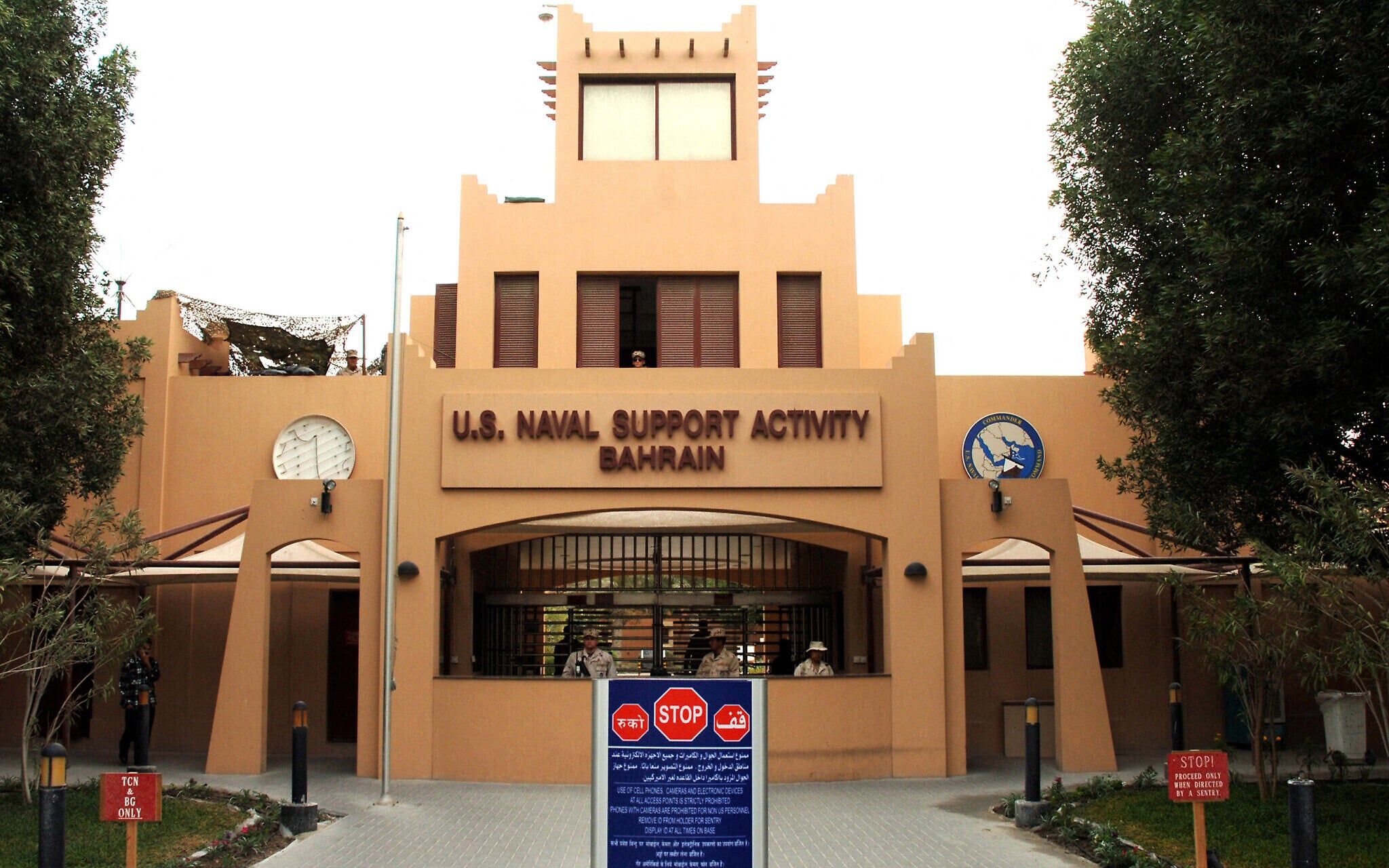
The relocation would abandon decades of post-9/11 strategy, where the U.S. relied on distributed bases in Bahrain, Qatar, and the UAE to counter Iran. But with Al Dhafra (UAE) and Al Udeid (Qatar) now in the crosshairs, the Pentagon is scrambling. The Times of Israel reports U.S. officials are actively assessing Israel as a potential hub, a move that would require Jerusalem to share operational control—a politically fraught prospect.
—
Why the Gulf’s Bases Are No Longer Safe
Iran’s April 13–14 offensive wasn’t just a warning. It was a test—and the U.S. failed. The assault included a direct strike on Erbil, where three contractors were killed, and drone attacks on other installations across the region. The damage forced a reckoning: The current model of rotating forces through Gulf allies is no longer sustainable.
A New York Times report from May 15, citing unnamed U.S. officials, confirmed the Pentagon is now evaluating consolidation in Israel. The reasoning is clear: Israel’s Iron Dome and Arrow missile defense systems offer a shield the Gulf lacks. But the move carries risks. Gulf allies—especially Bahrain and Qatar—are already frustrated by what they see as U.S. hesitation in reinforcing their air defenses post-attack.
—
Israel’s Unspoken Role: A Base or a Partner?
Israel has long been a silent partner in U.S. strategy, sharing intelligence on Iran’s nuclear and missile programs. But hosting permanent U.S. bases? That’s another story. Israeli officials haven’t confirmed any discussions, but Middle East Eye reports Jerusalem has quietly expanded its own military infrastructure—deploying Iron Dome and Arrow systems near Syria and Iraq to counter IRGC threats.

A U.S. defense official, speaking to NDTV on condition of anonymity, made one thing clear: Any relocation would hinge on Israel’s willingness to cede operational control—a step that would require congressional approval and could strain ties with Gulf states. For now, the question isn’t if, but how.
—
Two Airbases on the Table—And a Ticking Clock
The Pentagon hasn’t made a final call, but sources say the decision could come in weeks, not months. Two Israeli sites are under review: Nevatim Airbase and the Palmachim facility. Meanwhile, Gulf frustration is growing. Bahrain and Qatar have publicly chided the U.S. for slow responses to their air defense needs, while Saudi Arabia—also a target of Iranian-backed drone strikes—has ramped up its own purchases of U.S. missile defense, including a THAAD battery near Riyadh.
The shift would mark a seismic change in U.S. strategy. But with Iran’s aggression escalating—and the U.S. accelerating deliveries of Patriot and Aegis systems to Gulf partners—the question isn’t just about bases. It’s about whether the U.S. can outmaneuver Tehran before the next strike.
—