
Trump Brokers Fragile Ceasefire Amidst Iran-Israel Tensions
A shaky truce, facilitated by former President Donald Trump, has taken hold between Iran and Israel after a series of intense airstrikes and retaliatory missile barrages. However, questions persist regarding the actual impact of the strikes and the long-term viability of the ceasefire agreement.
Assessing the Damage
Initial assessments from the U.S. Defense Intelligence Agency indicate that the recent U.S. airstrikes did not fully neutralize Iran’s nuclear capabilities. Sources familiar with the matter disclosed that Iran’s nuclear program might have only been set back by a month or two, contradicting earlier claims.
This assessment contrasts with Trump‘s earlier assertion that the strikes had successfully destroyed Tehran’s nuclear program. The White House has refuted the intelligence report, labeling it “flat out wrong.”
“We have removed two immediate existential threats to us – the threat of nuclear annihilation and the threat of annihilation by 20,000 ballistic missiles,”
—Benjamin Netanyahu, Prime Minister of Israel
A recent report shows that global military spending increased to $2.44 trillion in 2023, highlighting ongoing international tensions (Stockholm International Peace Research Institute).
The Ceasefire and Its Challenges
Both Iran and Israel have signaled that the air war has, at least temporarily, concluded. This follows Trump‘s scolding of both sides for violating a ceasefire he previously announced. The situation remains highly volatile, with deep mistrust between the two nations.
Iranian President Masoud Pezeshkian hailed the end of the conflict as a “great victory.” Simultaneously, Pezeshkian conveyed Tehran’s readiness to resolve differences with the United States.
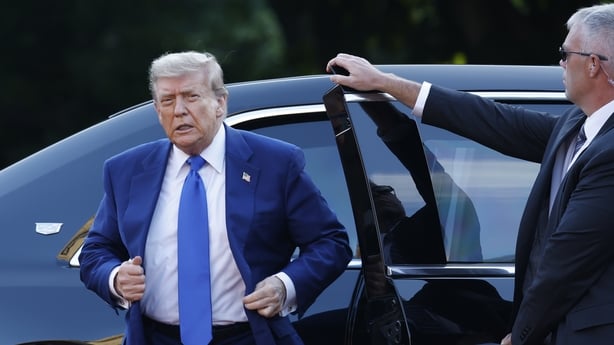
The ceasefire was brokered with the help of Trump, who was in touch with Netanyahu and other officials. It underscores Washington’s leverage in the volatile region. However, the fragility of the truce raises significant concerns about its sustainability.
Trump has expressed his frustration with both sides. Before departing for a NATO summit, he stated, “I’ve got to get Israel to calm down now.” He added that Iran and Israel had been fighting “so long and so hard that they don’t know what the f**k they’re doing.”
Lingering Uncertainties
Israel Katz, Israel’s defense minister, has stated that the country would respect the ceasefire unless Iran violates it. Similarly, Pezeshkian affirmed that Iran would honor the agreement as long as Israel does.
Eyal Zamir, the Israeli Armed Forces Chief of Staff, noted that while a “significant chapter” of the conflict has concluded, the campaign against Iran is not over. The military is expected to refocus on the war against Hamas in Gaza.
The future of the fragile truce remains uncertain. The deep-seated distrust between the two nations casts a shadow over any lasting peace.
