US Resumes Deadly Boat Bombing Campaign Despite Rights Warnings
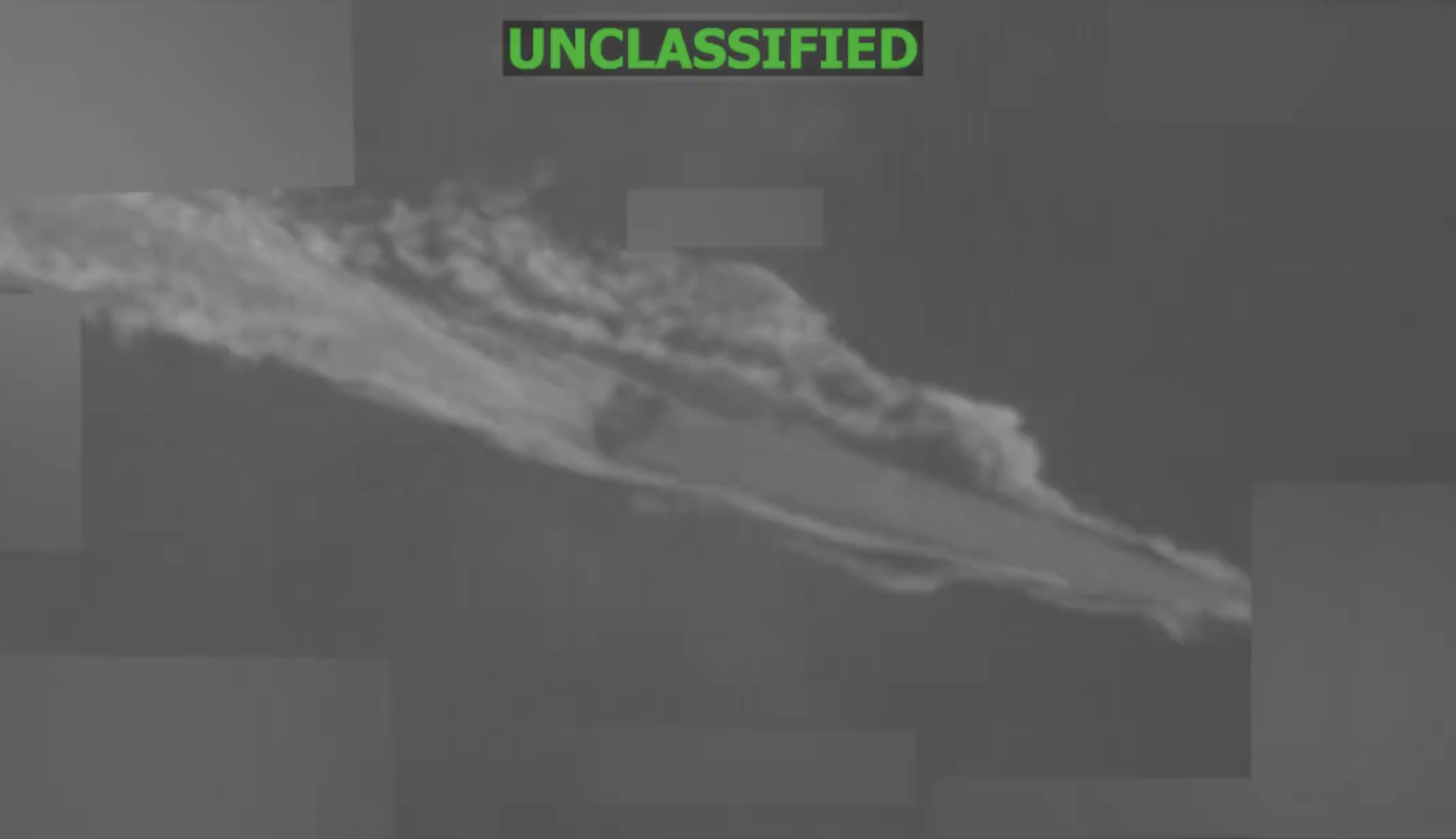
The United States military resumed its campaign of bombing alleged drug-trafficking vessels in the Pacific Ocean, following a two-month pause. US Southern Command (SOUTHCOM) announced a lethal kinetic strike that killed two people, pushing the total death toll of the campaign to at least 223 lives since it was launched nearly a year ago.
SOUTHCOM Kinetic Strike Renews Maritime Campaign
According to a Monday social media post from US Southern Command, the operation targeted a low-profile vessel operating along established narco-trafficking routes in the Pacific Ocean. SOUTHCOM Commander Gen. Francis Donovan stated that the attack formed part of an ongoing effort aimed at “imposing total systemic friction on narco-terrorists—disrupting their operations, dismantling their leadership, and eliminating cartel terror across the region.”
https://x.com/adam_wola/status/2091852634974044509
This latest action breaks a two-month hiatus in the military strategy initiated under President Donald Trump’s administration nearly a year ago. Critics and legal scholars continue to question the authorization and execution of these high seas operations.
Contradictory Data on Drug Enforcement Effectiveness
The resumption of the boat-bombing campaign follows an internal Drug Enforcement Administration (DEA) analysis leaked less than a month prior. That document revealed that the military strikes had not “reduced the amount of cocaine entering” the United States, as drug cartels found alternate methods for shipping their product into the US.

Adam Isaacson, director of the Defense Oversight program at the Washington Office on Latin America (WOLA), criticized the administration’s decision. Isaacson stated that “overwhelming evidence that they are murder; that many, likely most, of the dead are either super-low-level or uninvolved with drugs; and that cocaine supply is unaffected.”
Brian Finucane, senior adviser to the US Program at the International Crisis Group, characterized the development by stating that “the Trump administration’s lawless killing spree at sea resumes.”
Legal Scholars and Observers Question Accountability
Academic and legal analysts have repeatedly challenged the framework governing these operations. Nicholas Grossman, a professor of international relations at the University of Illinois, described the campaign as “murderous” and “illegal.” Grossman added that its victims are “not terrorists” and “may not even be drug traffickers.”
https://x.com/sovietwithsazon/status/2091873640459522174
Investigative journalist Camila Lourdes Galarza observed that “there’s still no proof any of the victims” of the boat strikes were involved in the drug trade. Lourdes Galarza sarcastically added that if the victims had been drug traffickers, “the US would probably give them a deal” like the one given to Juan Orlando Hernández, the former president of Honduras who was pardoned by Trump last year despite being previously convicted on narcotics trafficking charges.
With at least 223 casualties recorded since the inception of the campaign, legal experts warn that military engagement will face continued scrutiny from international observers and domestic oversight bodies alike.
Keep reading
- Singapore Reports Rise in Rape and Molestation Cases Despite Overall Drop in Physical Crime
- NASA’s Nancy Grace Roman Space Telescope Arrives in Florida for Final Launch Preparations
- Marco Vinelli Confirms Argentine Businessman Linked to Keiko Fujimori Joined Campaign (newsy-today.com)
- Children’s Digital Rights Need More Than a False Promise of Safety: The Case for Meaningful Involvement (archyde.com)