US Orders Non-Essential Embassy Staff to Leave Saudi Arabia Amid Houthi Attacks
The United States State Department ordered non-essential embassy staff and their families to leave Saudi Arabia on Wednesday, amid sustained deadly attacks launched by Yemen’s Houthis against the kingdom.
State Department Orders Departure Amid Regional Escalation
Washington enacted the withdrawal order for non-emergency government employees and their families stationed in Saudi Arabia as the security situation deteriorated across the Gulf, ndtv.com reported. State Department spokesman Tommy Pigott confirmed the directive on social media, emphasizing that personnel safety remains the highest priority. The directive follows a series of near-daily strikes targeting the kingdom, including a major assault on Riyadh’s international airport that ranks as the deadliest in years.
Diplomatic sources cited by news agencies indicated that the departure orders extended beyond Saudi Arabia. Families of U.S. embassy personnel stationed in the United Arab Emirates, Jordan, Qatar, and Bahrain were also directed to leave due to mounting regional hostilities linked to Iran. These neighboring states have faced repeated threats since the broader Middle East conflict intensified earlier in the year.
Energy Infrastructure and Civilian Casualties in Saudi Arabia
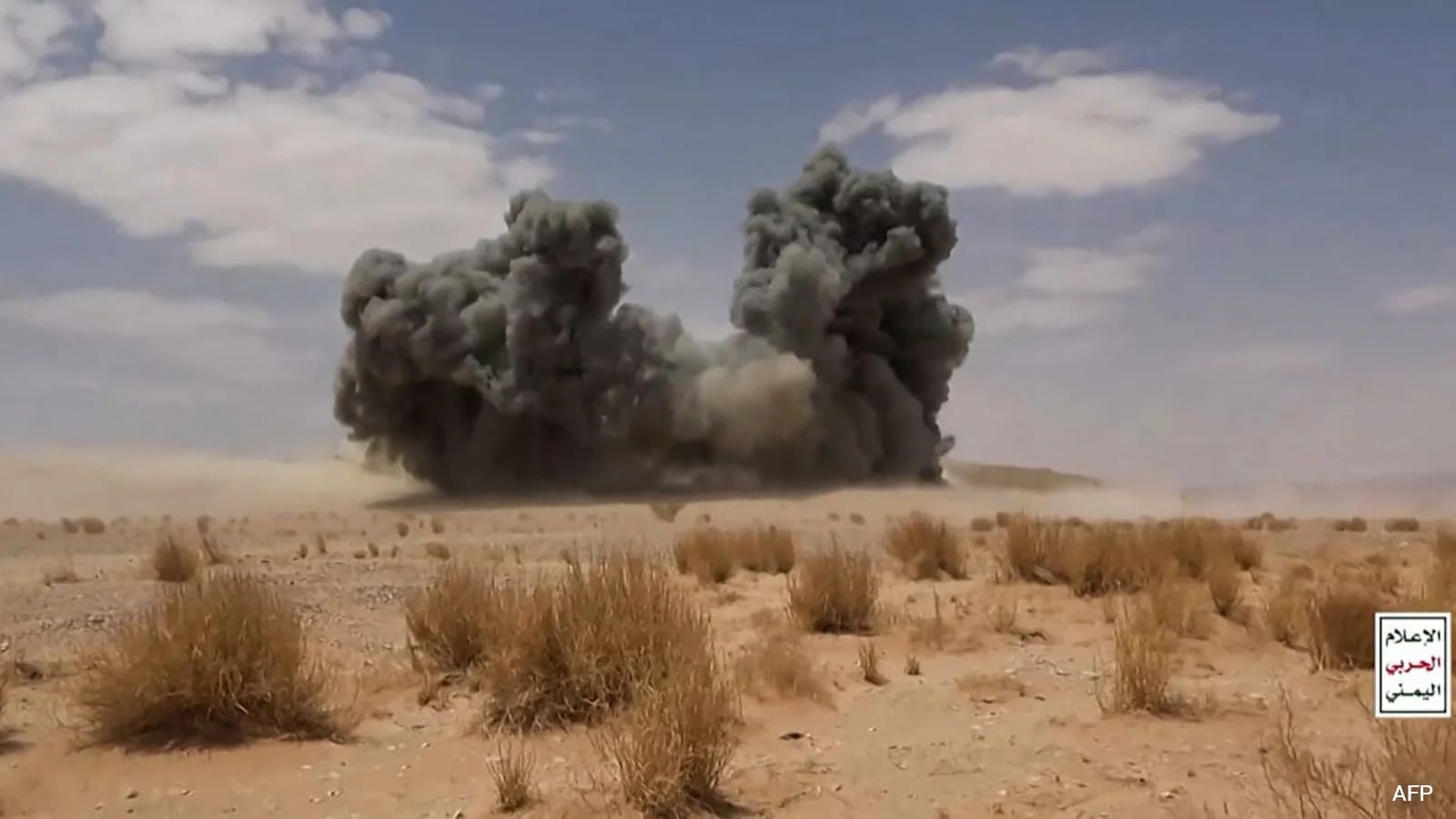
The human toll of the ongoing conflict rose sharply on Wednesday when falling debris from an intercepted drone struck an oil facility near the United Arab Emirates border. The Saudi energy ministry reported that the Shaybah oil field came under drone attack, resulting in the deaths of two civilian workers—one from the Philippines and one from Nepal—alongside two other injured individuals. Neither the energy ministry nor coalition spokespersons immediately identified the exact launch origin of that specific drone.
Parallel air assaults disrupted transportation hubs across the kingdom. Aviation officials confirmed that a separate attack on Dammam airport in eastern Saudi Arabia left one person dead and eight others wounded. These incidents follow the June collapse of a four-year truce in Yemen’s civil war, a conflict that initially erupted in 2014 before the Saudi-led coalition intervened on behalf of the internationally recognized government in 2015.

Explosions Reported Near the Strait of Hormuz
The strategic waterway remains a critical flashpoint in the conflict. In late February, the United States and Israel initiated military strikes against Iran, resulting in the death of the country’s supreme leader and senior commanders. In response, Tehran attempted to enforce a blockade requiring all passing vessels to seek direct authorization. Peacetime transit through the strait previously accounted for roughly one-fifth of global oil supplies. In retaliation, the United States instituted a counterblockade targeting Iranian ports and shipping vessels.
What Remains Unknown About the Ongoing Strikes
While U.S. and Saudi authorities have confirmed the scope of the diplomatic withdrawals and casualty figures from the energy facility strike, several critical questions remain unanswered. Official statements have not disclosed the total number of personnel affected by the embassy departure orders across the five Gulf nations, nor have investigators released definitive attribution for the specific drone that struck the Shaybah oil field. Iranian state media has similarly provided no operational details regarding the explosions reported in Hormozgan province, leaving the immediate physical and economic impact of those blasts unclear.