US Blockades Iran Ports as Tehran Threatens Retaliation
The United States has initiated a naval blockade of Iranian ports, prompting an immediate warning from Tehran regarding retaliatory measures.
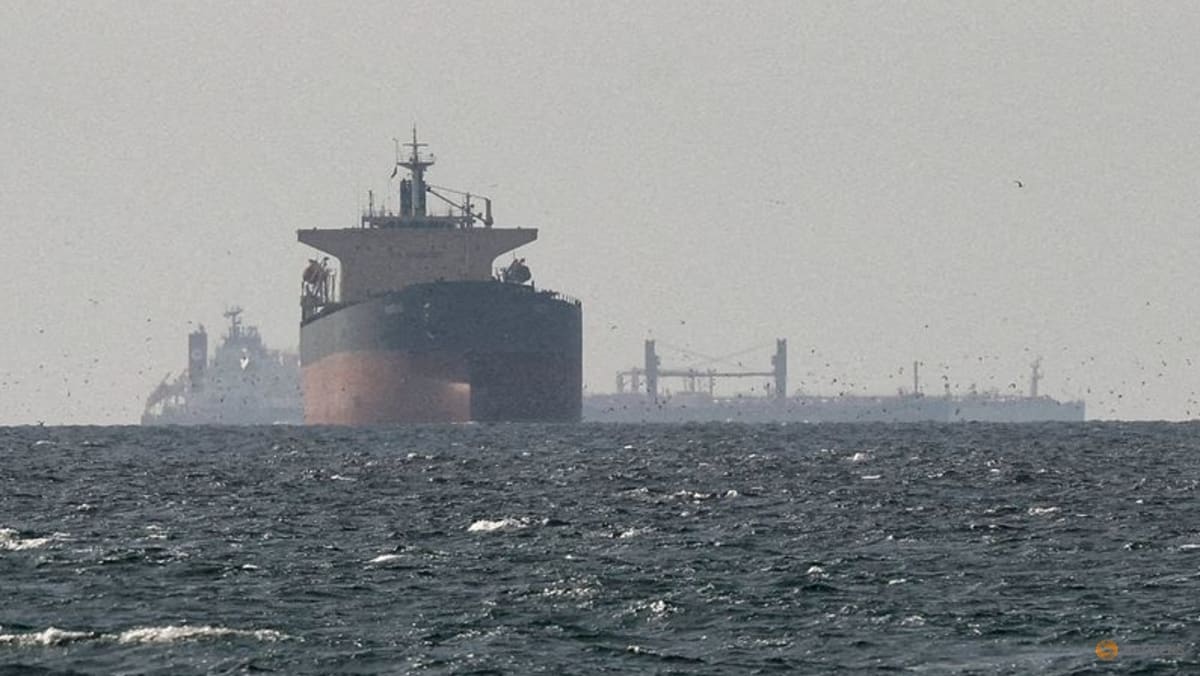
The deployment marks a significant escalation in maritime restrictions, targeting the flow of goods and resources into and out of Iranian territorial waters. The operation involves the positioning of U.S. Naval assets to intercept and divert vessels attempting to access key Iranian shipping hubs.
Tehran Response and Retaliation Warnings
Officials in Tehran have condemned the blockade, describing the move as a violation of international maritime law and national sovereignty. The Iranian government stated that it will not remain passive in the face of these restrictions and has threatened to respond with “decisive” actions to ensure the continuity of its maritime trade.

Military spokespersons in Iran have indicated that the Islamic Republic’s naval forces are on high alert and are prepared to engage any assets that impede the movement of commercial shipping within their designated waters.
Maritime Security and Strategic Stakes
The blockade focuses on the critical chokepoints of the Persian Gulf, where a substantial portion of the world’s energy exports transit. The presence of U.S. Warships in these corridors increases the risk of direct kinetic engagement between the two militaries.
International shipping agencies have been alerted to the increased risk of delays and potential diversions as the U.S. Navy implements screening and boarding procedures for vessels suspected of transporting sanctioned materials or aiding the Iranian government’s strategic capabilities.
The U.S. Department of Defense has not released a detailed timeline for the duration of the blockade, though officials have framed the action as a necessary step to enforce existing sanctions and curb the proliferation of weaponry in the region.
The Iranian Ministry of Foreign Affairs has requested an emergency review of the situation by international monitoring bodies, although the U.S. State Department maintains that the operation is a lawful exercise of security interests.