US Blockade of Strait of Hormuz: Iran Conflict & Global Energy Impact
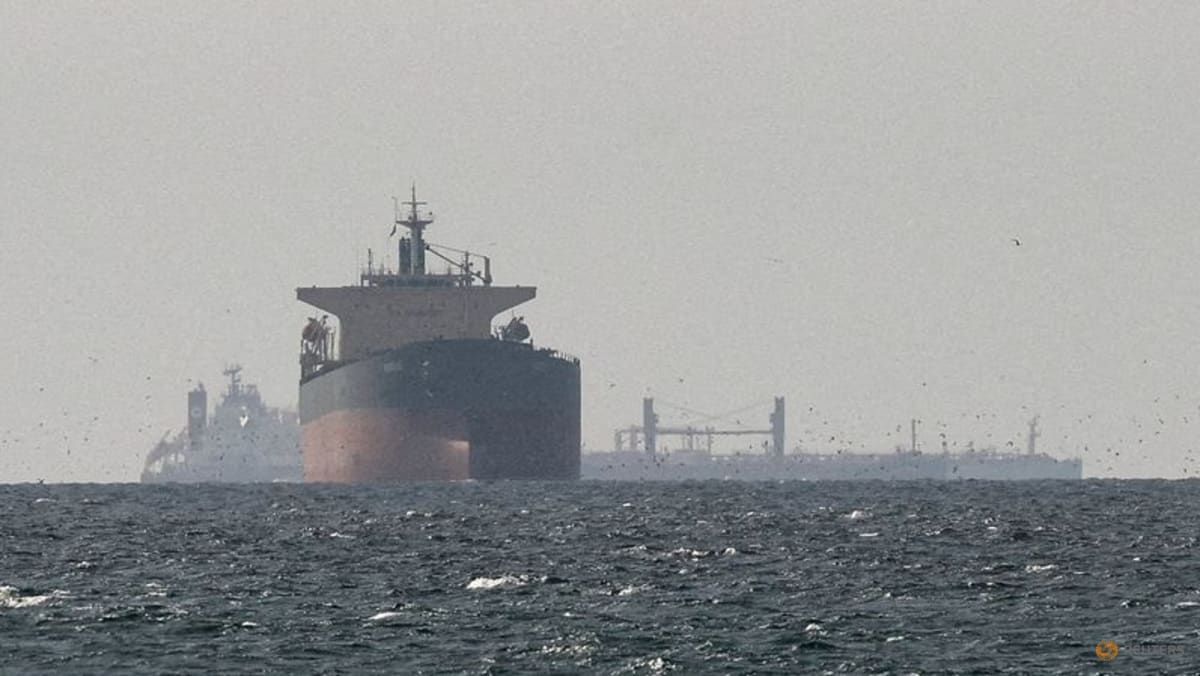
President Donald Trump has ordered a naval blockade of the Strait of Hormuz, targeting Iranian port traffic to force diplomatic concessions. This strategic maneuver, effective April 13, 2026, threatens global energy stability by restricting a primary artery for 20% of the world’s petroleum liquids, risking a systemic global energy crisis.
The tension is palpable. For the first time in years, the world is staring at a potential total shutdown of the most critical maritime chokepoint on the planet. This isn’t just a diplomatic spat; We see a high-stakes gamble with the global economy as the chip.
The contradiction is glaring. The administration has long advocated for the “reopening” of trade routes and the stability of international waters, yet it is now the primary force closing one. By blockading the Strait, the U.S. Is attempting to squeeze the Iranian economy to a breaking point, hoping the internal pressure forces Tehran back to the negotiating table on terms dictated by Washington.
But the ripple effects are immediate. In the boardrooms of Singapore and the refineries of Rotterdam, the panic is setting in. When the Strait closes, the cost of shipping doesn’t just rise—it skyrockets as tankers are forced to seek alternative, longer and more expensive routes.
The Geopolitical Pressure Cooker
The Strait of Hormuz is a narrow strip of water separating Oman and Iran. Most of the world’s oil from the Gulf states must pass through here. By deploying the U.S. Navy to block Iranian traffic, the Trump administration is leveraging “maximum pressure” in its most literal form. China has already urged restraint, fearing that a miscalculation could trigger a regional war that would devastate East Asian manufacturing hubs.

Historically, this region has been a flashpoint, but the current escalation is different. We are seeing a shift from economic sanctions to kinetic naval intervention. This creates a massive legal vacuum for shipping companies. Who is liable when a commercial vessel is detained in a “grey zone” of international waters?
“We are witnessing a transition from economic warfare to strategic strangulation. The legal ambiguity of a blockade in these specific waters creates an insurance nightmare that could freeze maritime trade even before a single shot is fired.”
The quote above comes from Dr. Aris Thorne, a senior fellow at the International Maritime Law Institute, who warns that the “force majeure” clauses in shipping contracts are being triggered globally. For businesses, this means a sudden, catastrophic spike in logistics costs.
Companies are now scrambling to find international trade attorneys who specialize in maritime law and sanctions compliance to navigate the treacherous waters of “blocked” assets and delayed shipments.
The Economic Fallout: More Than Just Gas Prices
While the headlines focus on the pump, the real damage is deeper. The energy crisis isn’t just about the price of a gallon of gas in Ohio; it’s about the cost of plastics, fertilizers, and pharmaceutical precursors that rely on petrochemicals. If the blockade persists, we are looking at a systemic inflationary shock.
To understand the scale of the risk, consider the following impact analysis:
| Sector | Immediate Impact (0-30 Days) | Long-term Risk (3-6 Months) |
|---|---|---|
| Global Shipping | Surge in insurance premiums (War Risk) | Permanent rerouting; collapse of Gulf hubs |
| Energy Markets | Brent Crude volatility; price spikes | Structural shift toward non-Gulf energy sources |
| Manufacturing | Input cost increases for polymers | Supply chain decoupling from Middle East sources |
| Diplomacy | Increased tension with China/India | Erosion of the UN Convention on the Law of the Sea |
This is a logistical minefield. As traditional supply chains fracture, businesses are forced to pivot. Many are now seeking strategic supply chain consultants to diversify their sourcing and move away from high-risk transit zones.
The impact is localized in places like Dubai and Muscat. In Oman, the local economy—which relies heavily on the transit of goods—is seeing a sudden drop in port activity. Municipalities in the Gulf are facing a liquidity crisis as the flow of capital tied to oil exports slows to a trickle.
The “Evergreen” Risk: A New Era of Chokepoint Diplomacy
Whether this blockade lasts hours or months, the precedent has been set. The U.S. Has signaled that it is willing to weaponize geography. This moves the world toward a “fragmented” trade era where security is prioritized over efficiency.
For the long haul, this means the “Just-in-Time” delivery model is dead. It is being replaced by “Just-in-Case” inventory management. This shift requires a total overhaul of corporate warehousing and logistics. Companies are no longer looking for the cheapest shipping; they are looking for the safest.
The legal ramifications are equally enduring. The UN Convention on the Law of the Sea (UNCLOS) is being tested. If the U.S. Can unilaterally block a strait, other nations may experience emboldened to do the same in the South China Sea or the English Channel.
For those operating in these zones, the need for verified risk management experts has shifted from a luxury to a necessity. The ability to hedge against geopolitical volatility is now the primary competitive advantage in global trade.
The situation remains fluid. The U.S. Military maintains that the blockade is a temporary tool for negotiation. Though, in the history of naval blockades, “temporary” often becomes the new normal until a catastrophic mistake occurs.
We are no longer in an era of predictable globalization. We are in an era of strategic volatility. As the world waits to see if diplomacy can override the blockade, the only certainty is that the cost of doing business just went up. Navigating this new reality requires more than just a map; it requires a network of verified professionals who understand the intersection of law, logistics, and geopolitics. When the map changes overnight, the World Today News Directory remains the essential tool for finding the experts capable of steering your enterprise through the storm.