
“`html
The Transfer of ISIS Detainees: A Shift in Strategy and its Implications
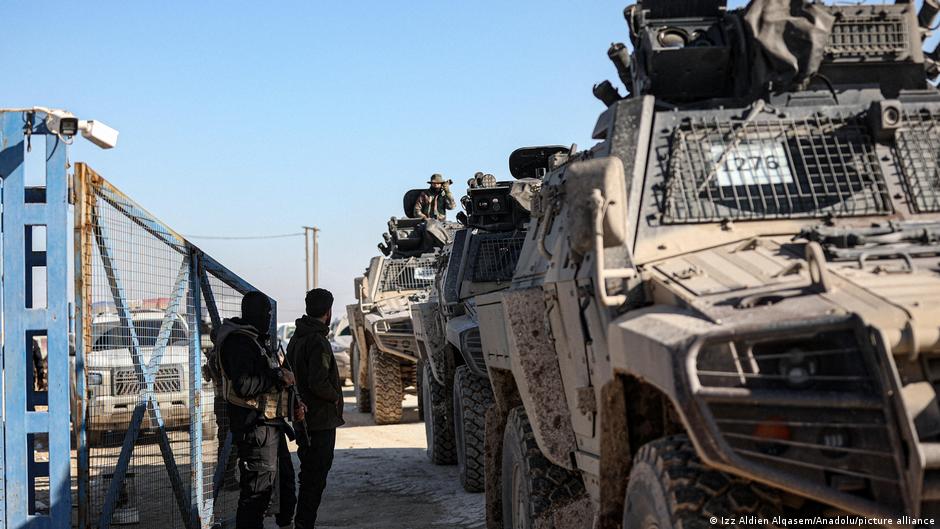
The recent decision to transfer Islamic State (IS) detainees from northeastern Syria to secure facilities in Iraq marks a notable shift in regional counter-terrorism strategy.This move, while intended to address the precarious situation of holding thousands of IS fighters and their families in unstable camps, raises complex questions about legal frameworks, human rights, and the potential for resurgence. This article delves into the background of this transfer, the rationale behind it, the challenges it presents, and the broader implications for regional security. We’ll explore the conditions in the camps, the Iraqi capacity to handle the influx of detainees, and the international legal considerations at play.
The Crisis in Syrian Camps: A Breeding Ground for Extremism
For years, northeastern Syria has become a holding pen for IS fighters and their families, largely comprised of women and children. following the territorial defeat of IS in 2019, tens of thousands of individuals associated with the group were rounded up and held in camps like al-Hol and Roj.These camps,managed by the Syrian Democratic Forces (SDF) with limited international support,have become increasingly overcrowded and unsustainable.The conditions within these camps are dire, characterized by inadequate sanitation, limited access to healthcare, and widespread radicalization.
- Al-Hol Camp: Housing over 56,000 people, primarily women and children linked to IS, al-Hol is notorious for its strict security measures and the presence of hardline IS supporters. Reports consistently detail the camp’s internal governance being influenced by IS ideology.
- Roj Camp: Smaller than al-Hol, Roj primarily houses foreign IS fighters and their families. while conditions are slightly better, the camp still faces significant challenges in terms of rehabilitation and repatriation.
The prolonged detention in these camps,coupled with the harsh living conditions,has created a fertile ground for the re-emergence of extremist ideologies. Children born and raised in these camps are particularly vulnerable to radicalization, posing a long-term security threat. A recent study by the international Crisis Group highlighted that the camps are effectively “open-air classrooms for extremism,” where IS ideology is actively propagated.
Why Iraq? The Rationale Behind the Transfer
Several factors have contributed to the decision to transfer detainees to iraq. Firstly, Iraq has a vested interest in preventing the resurgence of IS, having suffered immensely from the group’s reign of terror. Secondly, Iraq possesses a more established legal framework for prosecuting terrorism offenses and a greater capacity for long-term detention. Thirdly, the SDF, backed by the US-led coalition, has been seeking a lasting solution to the detainee crisis, and Iraq offered a potential pathway.
The Iraqi goverment, under Prime Minister Mohammed shia al-Sudani, has expressed willingness to accept the detainees, viewing it as a necessary step to bolster regional security. However, this willingness is also tied to political considerations, including a desire to demonstrate Iraq’s stability and its role as a key player in counter-terrorism efforts. Iraq has already been conducting trials and sentencing IS members captured within its own borders, and the transfer allows them to expand this capacity.
Challenges and Concerns: legal,Human Rights,and Security
Despite the rationale,the transfer of IS detainees to Iraq is fraught with challenges and raises serious concerns:
Legal Framework and Due Process
A major concern revolves around the legal framework governing the trials and detention of the transferred detainees. Iraq’s justice system has been criticized for its lack of openness and its reliance on confessions obtained through coercion. There are fears that detainees may not receive fair trials and could face the death penalty, even for minor offenses. The lack of international oversight in these trials is a significant point of contention.
Human Rights Violations
Human rights organizations, such as Amnesty International and Human Rights Watch, have expressed grave concerns about the potential for human rights abuses against the transferred detainees, particularly women and children. They highlight the risk of arbitrary detention, torture, and extrajudicial killings. The Iraqi government has pledged to uphold international human rights standards, but skepticism remains high given its past record.
Security Risks and Potential for Resurgence
While Iraq has made significant gains against IS, the group remains a threat, particularly in rural areas. The transfer of thousands of IS fighters and their families could possibly strain Iraq’s security resources and create opportunities for the group to regroup and launch attacks. There is also the risk that disgruntled detainees could join or support IS activities from within Iraqi prisons.
Repatriation vs. Detention: A Complex Debate
The transfer to Iraq sidesteps the more complex issue of repatriation – returning foreign fighters and their families to their countries of origin. Many countries have been reluctant to repatriate their citizens due to security concerns and political considerations. Though, experts argue that repatriation, coupled with robust rehabilitation programs, is the most sustainable long-term solution. Detention in Iraq,
