US Attacks Iranian Targets in Self-Defense Amid Peace Negotiations
United States military forces conducted targeted “self-defense” strikes against Iranian objectives in the southern region of Iran on May 26, 2026. CENTCOM officials confirmed the operation, asserting that the action was necessary to protect troops from immediate threats, even as high-stakes international negotiations regarding a ceasefire remain ongoing.
The timing is impossible to ignore. In the fragile theater of Middle Eastern diplomacy, the intersection of kinetic military action and ceasefire negotiations creates a high-entropy environment. For the global business community, this volatility translates into immediate risk for energy supply chains, maritime insurance premiums, and the operational security of multinational assets operating in or near the Persian Gulf.
The Paradox of Coerced Diplomacy
The U.S. Decision to strike while simultaneously insisting that a ceasefire framework remains viable is a classic exercise in “coercive diplomacy.” By targeting missile launch sites and associated infrastructure, Washington is signaling that its willingness to negotiate does not equate to a suspension of its right to preemptive defense.
This creates a complex “gray zone” for corporations. When state actors engage in calibrated strikes, the risk of miscalculation increases exponentially. Firms with regional dependencies must now account for the reality that the “negotiation table” is surrounded by active combat zones. Navigating this requires a sophisticated understanding of political risk advisory services to determine whether to maintain, scale back, or evacuate personnel and assets.
The difficulty with simultaneous negotiation and kinetic engagement is the signal-to-noise ratio. Markets do not like uncertainty, and when the primary guarantor of regional security is also the primary aggressor in a localized engagement, the risk of systemic supply chain disruption—particularly in the energy sector—rises sharply.
The Macro-Economic Ripple Effect
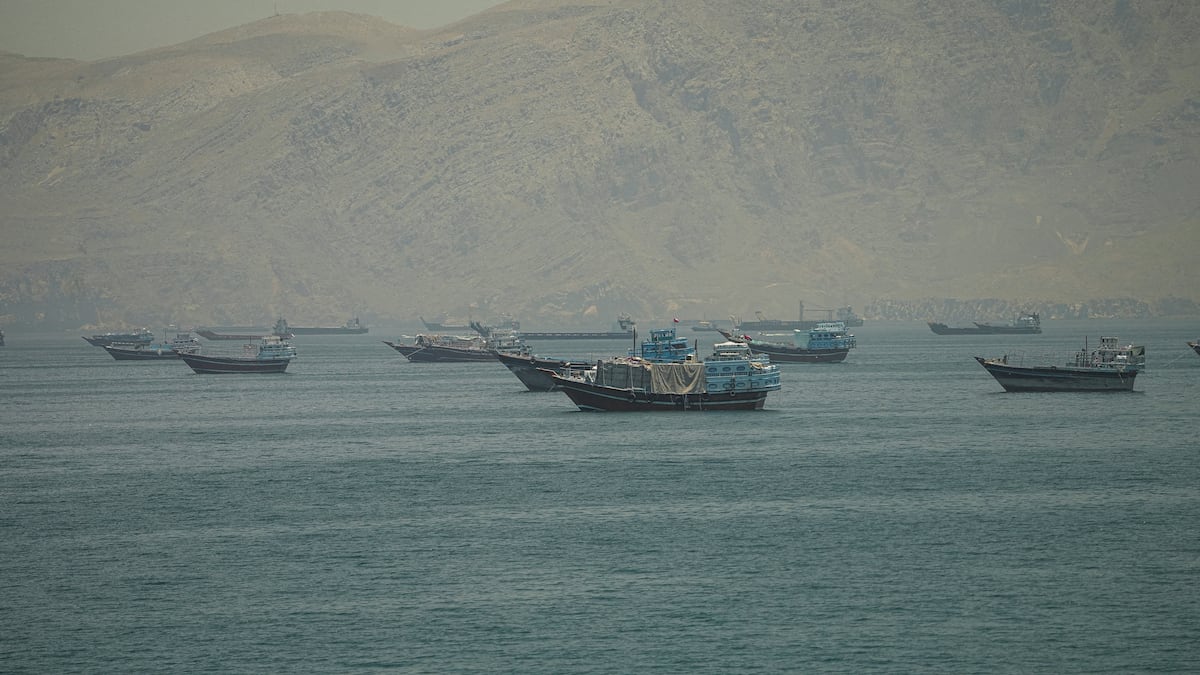
The Strait of Hormuz remains the world’s most critical chokepoint for petroleum transit. Any escalation between the U.S. And Iran invariably triggers volatility in global commodity markets. While the current strikes are characterized as localized, the historical precedent for “tit-for-tat” responses suggests that insurers and shipping conglomerates are likely already adjusting their risk profiles.

For global supply chain managers, the primary concern is not just the immediate closure of transit routes, but the secondary impact on insurance underwriting. As premiums spike, the cost of logistics rises, creating an inflationary pressure that is often passed down to the end consumer. Organizations requiring specialized logistics and supply chain optimization are currently in a race to diversify their transit corridors and hedge against potential maritime disruptions.
- Energy Security: Continued instability forces a re-evaluation of fossil fuel dependency in the Euro-Atlantic markets.
- Maritime Insurance: Increased risk of collateral damage leads to “war risk” surcharges for tankers operating in the Persian Gulf.
- Foreign Direct Investment (FDI): Capital flows into the Middle East often freeze during periods of kinetic instability, favoring safer, albeit lower-yield, jurisdictions.
Legal and Compliance Architecture in a Conflict Zone
Beyond the immediate security concerns, the legal landscape for companies operating in this environment is becoming increasingly labyrinthine. Between shifting sanctions regimes and the necessity of maintaining compliance with international humanitarian law, legal teams are under immense pressure. The complexity of cross-border transactions under the shadow of military strikes necessitates a rigorous approach to international trade law and compliance.
The current situation serves as a stark reminder that the post-Cold War era of predictable geopolitical stability has been replaced by a period of “continuous friction.” In this climate, the ability of a firm to survive rests on its capacity to integrate real-time geopolitical intelligence into its core financial strategy.
The Strategic Kicker
As the U.S. And Iran continue to balance the dueling realities of the negotiating table and the battlefield, the only certainty is the persistence of risk. For the executive leadership of multinational corporations, the “wait and see” approach is no longer a viable strategy; it is a liability. Whether it involves hardening digital infrastructure against state-sponsored cyber retaliation, securing maritime assets, or navigating the legal implications of shifting trade barriers, the need for professional, vetted intervention is at an all-time high.
To ensure your organization remains resilient against the shifting sands of the 2026 geopolitical landscape, explore our curated directory to connect with elite crisis management and geopolitical strategy consultants capable of navigating the complexities of modern conflict and trade instability.