US Approves Sale of 500 Patriot Missiles to Ukraine
The United States government approved the potential sale of 500 PAC-3 interceptor missiles to Ukraine for 2,1 miliardy dolárov, a transaction funded by contributions from allies and an EU loan. Ukrainian forces await the arrival of these systems to counter intensified Russian strikes against energy and civilian infrastructure ahead of the winter season.
Canada, Germany and Norway Fund Lockheed Martin Missiles
The 2,1 miliardy dolárov defense package centers on 500 PAC-3 missiles manufactured by primary contractor Lockheed Martin, alongside associated spare parts, logistical backing, and support services. According to Noviny.sk, the purchase utilizes financial contributions from Canada, Germany, and Norway channeled through the United States JUMPSTART program, supplemented by domestic resources drawn from a European Union loan of 90 miliárd.
American officials confirmed that the delivery will not degrade United States military readiness.
Zelenskyy Warnings and Interceptor Shortages
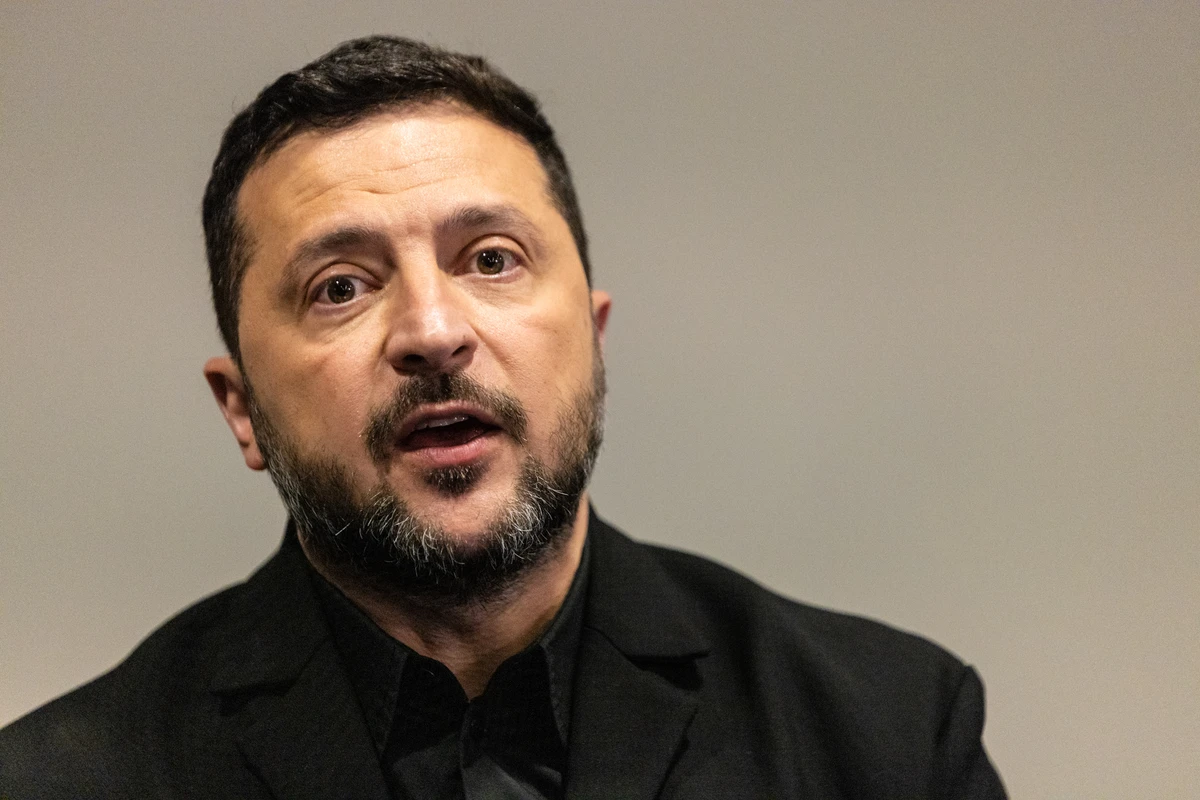
President Volodymyr Zelenskyy noted that Ukraine spent nearly a month awaiting American approval for the Patriot interceptor shipments. In a public address, Zelenskyy warned that Russia is actively preparing fresh ballistic missile assaults designed to cripple national power grids and force capitulation.
Potrebujeme prostriedky, aby sme toto ruské zlo mohli zostreliť.
Zelenskyy previously stated that Ukraine requires a minimum of 300 interceptor missiles to survive the winter months, relying on supplies secured via the PURL program funded by European partners or delivered directly through bilateral arrangements.

Neptune Missile Strikes on Russian Bomber Bases
While awaiting American air defense deliveries, Ukrainian military units claimed successful long-range strikes against Russian aviation assets. According to Pravda, the Ukrainian navy and military intelligence directorate HUR reported that domestically developed Neptune missiles destroyed aircraft stationed at the Okťabrskij airfield, which is linked to the 11th Mixed Aviation Regiment of Russia’s 4th Mixed Aviation Division and the 4th Air and Air Defense Forces Army. The same outlet noted a prior operation targeting the Borisoglebsk military airfield in the Voronezh region on October 15, which destroyed four Su-34M bombers and damaged two additional aircraft.
Ukrajinská vojenská rozviedka HUR estimated that Russia possessed roughly 140 Su-34 airframes prior to recent engagements and loses roughly 2.5 to 3 years of manufacturing output with every batch destroyed, given an estimated annual production rate of 14 to 18 units. Since the start of the full-scale invasion, HUR reported that Russia has lost 43 destroyed Su-34 aircraft alongside seven damaged units, while other platforms such as the Tu-95 strategic bomber have also been impacted. While Ukrainian reports emphasize the strategic value of degrading these platforms, Russian forces continue manufacturing and modernizing aircraft to sustain ongoing glide-bomb attacks against front-line positions and urban centers.