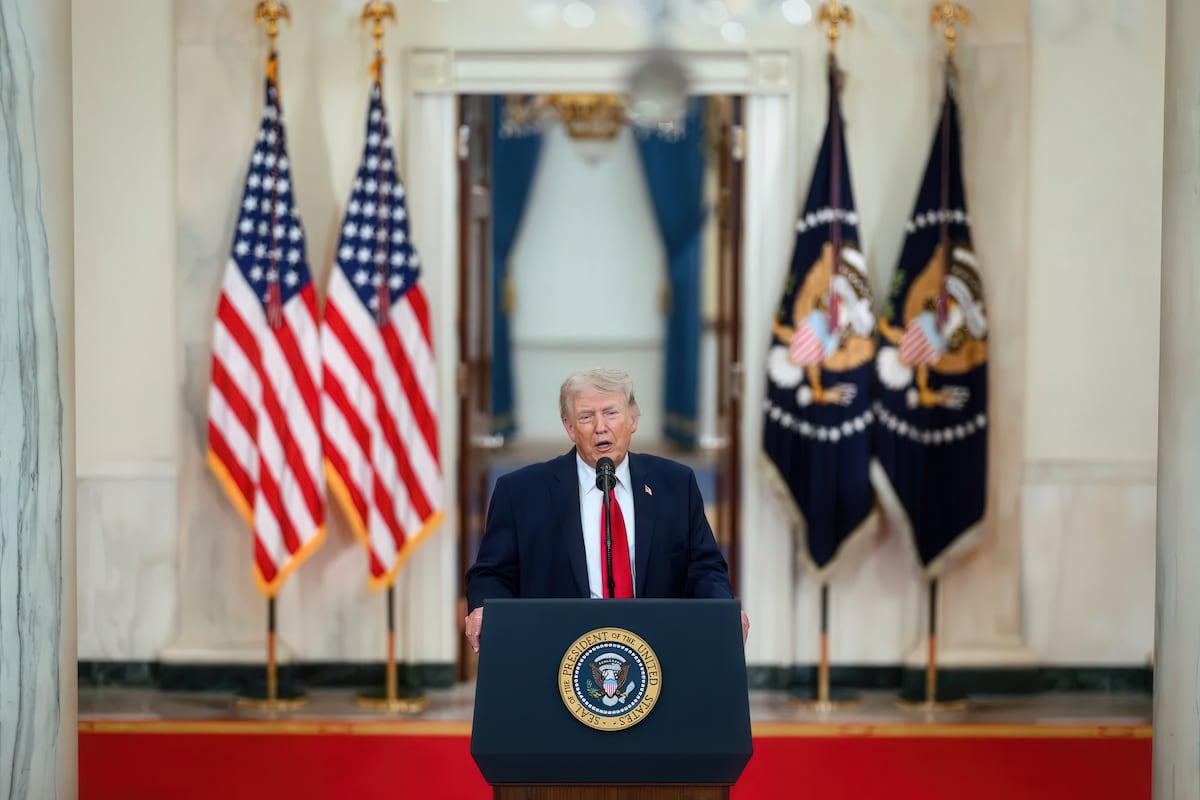
US and Iran Agree to Two-Week Ceasefire and Open Strait of Hormuz
The United States and Iran have agreed to a two-week ceasefire brokered by Pakistan, effective April 8, 2026. President Donald Trump suspended planned airstrikes in exchange for Tehran reopening the Strait of Hormuz to international shipping, successfully averting an immediate military escalation and stabilizing global oil markets.
This isn’t a peace treaty; it is a tactical pause. For fourteen days, the world breathes, but the underlying friction remains volatile. The primary problem here is the fragility of global supply chains. When the Strait of Hormuz—a narrow chokepoint through which roughly one-fifth of the world’s petroleum passes—is threatened, the shockwaves hit every gas station from Dubai to Des Moines.
The immediate economic relief is palpable. Oil prices have already dipped below $100 per barrel, a psychological threshold that had been driving inflation rates higher across the Eurozone and North America.
The Geopolitical Gamble: Trump, Araghchi, and the Pakistani Pivot
The agreement hinges on a precarious quid pro quo. President Trump, known for his “maximum pressure” campaign, pivoted from threats of total annihilation to a temporary cessation of hostilities. On the other side, Iranian Foreign Minister Abbas Araghchi has guaranteed the safe passage of vessels. This shift suggests that both administrations are currently more concerned with internal stability and economic leverage than with an all-out kinetic war that would likely devastate regional infrastructure.
Pakistan’s role as the mediator is the unexpected variable. By positioning itself as the diplomatic bridge, Islamabad is attempting to secure its own regional standing while managing the fallout of a potential conflict on its doorstep. This is a high-stakes game of chicken where the “prize” is a two-week window to negotiate terms that avoid a total regional collapse.
“The risk of a miscalculation in the Gulf is higher than at any point since the 1980s. While this ceasefire provides a momentary sigh of relief, the structural distrust between Washington and Tehran remains a ticking time bomb for global energy security.”
This quote reflects the sentiment of Dr. Alistair Vance, a Senior Fellow at the Center for Strategic and International Studies (CSIS), who notes that short-term ceasefires often mask a deeper preparation for intensified conflict.
Macro-Economic Fallout and the Logistics Crisis
Beyond the headlines of “peace,” the real story is the logistical nightmare that occurred during the buildup to this ultimatum. Shipping companies had already begun rerouting tankers, driving up insurance premiums and freight costs. For businesses relying on just-in-time delivery, the threat of a closed Strait of Hormuz is a direct threat to solvency.
Companies are now scrambling to hedge their energy bets. The volatility created by these “flash-points” means that corporate treasury departments are no longer looking at simple procurement; they are engaging in complex risk mitigation. This is where the need for specialized international trade attorneys becomes critical, as firms navigate the legalities of force majeure clauses in shipping contracts that were triggered by the threat of war.
The impact is felt most acutely in the Gulf Cooperation Council (GCC) countries. In cities like Doha and Muscat, the tension has strained municipal planning and increased the cost of importing essential goods. Local governments are now auditing their strategic reserves, realizing that reliance on a single maritime corridor is a systemic vulnerability.
Comparing the Stakes: The Two-Week Window
To understand the gravity of this pause, one must look at the data surrounding the Strait of Hormuz and the current diplomatic timeline.
| Metric/Event | Pre-Ceasefire Status | Ceasefire Terms (14 Days) | Long-term Risk |
|---|---|---|---|
| Oil Price (Brent) | Above $100/bbl | Sub-$100/bbl | Volatility based on deal expiration |
| Strait Access | Threatened/Restricted | Guaranteed Safe Passage | Potential for sudden closure |
| US Military Posture | Active Bombing Threat | Suspension of Strikes | Rapid redeployment capability |
| Iranian Diplomacy | Defiant/Closed | Open to Pakistani Mediation | Internal political pressure |
The clock is ticking. If these two weeks do not yield a sustainable diplomatic framework, the return to hostilities will not be a gradual slide, but a sudden plunge. The markets are celebrating today, but the underlying risk hasn’t vanished; it has merely been deferred.
Solving the Crisis: From Diplomacy to Local Action
While world leaders argue over borders and sanctions, the private sector must deal with the aftermath of the instability. The sudden fluctuation in energy prices and the threat of supply chain rupture create a vacuum of certainty. Businesses are finding that standard insurance is insufficient for these “black swan” events.
For mid-sized enterprises, the solution lies in diversifying supply chains and securing robust strategic risk management consultants who can model the impact of a prolonged Middle East conflict on their specific operations. It is no longer enough to have a supplier; you need a geopolitical contingency plan.
as the threat of conflict fluctuates, there is a surge in demand for specialized commodity brokers who can help firms lock in energy prices before the next potential spike. The “relief” of oil dropping below $100 is a window of opportunity for those who know how to hedge their bets.
The human cost of these tensions also manifests in the movement of people. As diplomatic relations fray, citizens of these nations and their expats often face sudden changes in visa statuses or legal standing. Navigating the labyrinth of U.S. Department of State travel advisories and international law requires the guidance of vetted immigration and international law specialists to ensure that personal and professional assets remain protected during geopolitical upheavals.
The world is currently holding its breath, balanced on a two-week reprieve. We have seen this pattern before—the sudden surge of tension followed by a fragile truce. History teaches us that the silence between the storms is when the most critical preparations must be made. Whether you are a CEO protecting a global supply chain or an individual managing international assets, the lesson is clear: stability is an illusion, and readiness is the only true currency. As we watch the calendar count down to the end of this ceasefire, those who have already secured verified professional guidance through the World Today News Directory will be the ones standing when the dust settles.