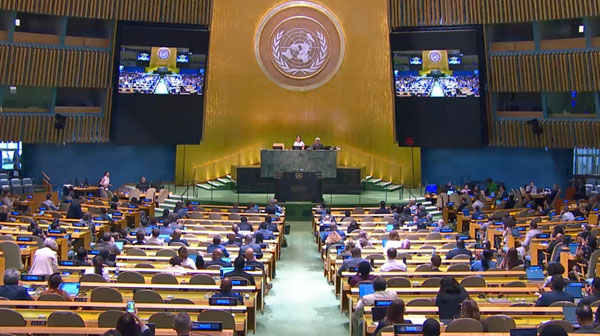
UN General Assembly Adopts Resolution on State Climate Change Obligations
On June 5, 2026, the United Nations General Assembly adopted a landmark resolution concerning the climate change obligations of states. This measure follows an advisory opinion from the International Court of Justice (ICJ) establishing that nations have a legal duty to prevent environmental harm, marking a significant shift in international climate accountability despite vocal opposition from the Trump administration.
The Legal Shift in Climate Responsibility
The resolution represents a tangible follow-up to the ICJ’s recent advisory opinion, which signaled an end to climate impunity by clarifying the legal responsibilities of sovereign states. By codifying these expectations, the General Assembly is attempting to move beyond voluntary pledges toward a framework grounded in international law. This development is not merely symbolic; it provides a new, albeit contested, legal baseline for evaluating whether states are doing enough to mitigate their impact on the global environment.
However, the path forward remains fraught with diplomatic tension. The United States, through its mission to the United Nations, has expressed firm opposition to the resolution. Ambassador Tammy Bruce, Deputy Representative of the United States to the United Nations, noted on May 20, 2026, that the administration maintains “serious legal and policy concerns” regarding the mandate. The U.S. position centers on the belief that existing climate treaties—not non-binding conclusions from the Court—should serve as the sole source of a state’s obligations.
“The United States continues to have serious legal and policy concerns about this resolution. In brief, this resolution is highly problematic in calling on States to comply with so-called ‘obligations’ that are based on non-binding conclusions of the Court.” — Ambassador Tammy Bruce, May 20, 2026.
Navigating the New Regulatory Landscape
For multinational corporations and regional planners, this resolution introduces a new layer of complexity to environmental compliance. As international legal standards evolve, entities operating across borders face increased scrutiny regarding their carbon footprints and fossil fuel dependencies. The resolution’s focus on “inappropriate political demands” related to fossil fuels suggests that future international reporting requirements could become significantly more stringent.
Organizations must now prepare for a future where climate litigation is increasingly informed by ICJ interpretations. For those struggling to align their operations with these shifting global expectations, engaging with specialized international environmental law firms is becoming a requirement rather than a luxury. These professionals help firms anticipate how ICJ advisory opinions might influence domestic legislation in the jurisdictions where they operate.
The Impact on Municipal and Regional Infrastructure
The ripple effects of this resolution will likely reach the local level, impacting how cities and provinces manage their own environmental impact. As national governments attempt to harmonize their policies with these new UN expectations, municipal leaders may find themselves under pressure to implement stricter zoning laws and energy efficiency standards. This creates a challenging environment for local developers and public works agencies.
When infrastructure projects are suddenly subject to new environmental compliance mandates, the risk of litigation rises sharply. Securing the services of environmental compliance consultants is the most effective way to mitigate these risks. These experts provide the necessary oversight to ensure that local developments remain within the boundaries of both national law and emerging international standards.
Comparative Perspectives on State Obligations
| Perspective | Primary Argument |
|---|---|
| United Nations General Assembly | States have a legal duty to prevent activities that cause environmental harm. |
| United States Mission to the UN | Climate treaties are the sole source of a State’s climate obligations. |
Bridging the Gap Between Policy and Action
The divide between the UN’s push for accountability and the Trump administration’s resistance highlights a deeper struggle over the interpretation of international law. While the General Assembly seeks to establish a universal standard, the U.S. remains committed to the principle that climate policy should be dictated by specific, binding treaties. This conflict ensures that the implementation of the resolution will be uneven, likely leading to a fragmented global regulatory environment.

For stakeholders caught in the middle, the uncertainty is palpable. Whether it is a private equity firm managing energy assets or a municipal government planning a new transit system, the need for clear guidance is critical. The assistance of advocacy and civic policy groups can be instrumental in interpreting these developments, helping private and public entities alike understand how to balance compliance with operational continuity.
Ultimately, the adoption of this resolution is a clear signal that the international community is moving toward a more rigid interpretation of environmental duties. While the political debate continues, the legal reality for businesses and local governments is that the status quo is shifting. Navigating this transition will require vigilance, expert legal guidance, and a proactive approach to environmental risk management. As the global community continues to debate the scope of these duties, those who wait for absolute clarity may find themselves trailing behind the pace of international legal change.
Keep reading