
united Nations Calls for Restraint as Protests Continue in Iran
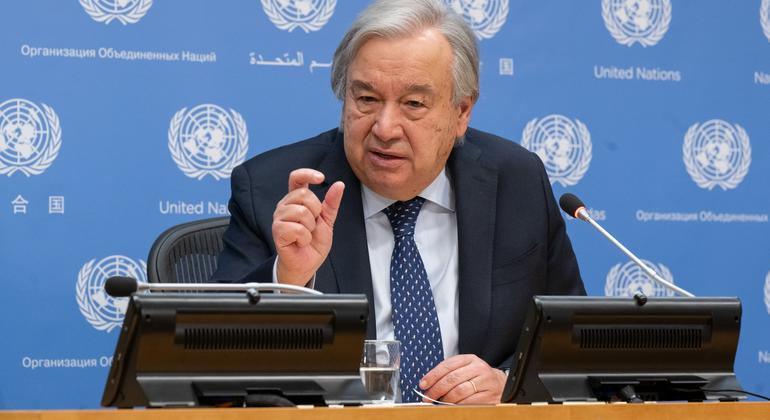
New York, NY – January 14, 2026, 09:46:01 – The United Nations has issued a strong call for restraint from Iranian authorities as protests continue to spread across the country, sparked by economic hardship and escalating into violent clashes. Secretary-General António Guterres has emphasized the fundamental rights of Iranian citizens to peaceful expression and assembly, while also urging the restoration of access to information following widespread internet and mobile connectivity shutdowns.
The roots of the Unrest: economic Crisis and Public Grievances
The current wave of protests began on December 28th, triggered by the dramatic collapse of Iran’s national currency, the rial. This economic downturn has severely impacted the lives of ordinary Iranians,leading to soaring inflation,increased poverty,and widespread frustration with the government’s economic policies. The rial has lost notable value against the US dollar in recent months, exacerbating existing economic challenges and fueling public discontent. Reuters provides detailed coverage of the economic factors driving the protests.
Though, the economic crisis is not the sole driver of the protests. Underlying grievances include restrictions on social freedoms, political repression, and a perceived lack of accountability from the government. These long-standing issues have created a climate of frustration and resentment, which the economic downturn has now brought to a boiling point.
Escalation of Violence and Government Response
What began as peaceful demonstrations quickly escalated into violent clashes between protesters and security forces. Reports indicate that dozens of people have been killed,including at least five children,and many more have been injured. Human Rights watch has documented instances of security forces using excessive force against protesters, including the use of live ammunition.
Iran’s parliament has also acknowledged fatalities among members of the security forces, highlighting the intensity of the conflict. The government has responded to the protests with a crackdown, deploying security forces to quell the unrest and restricting access to information.The shutdown of internet and mobile connectivity, which began on the evening of January 8th, has severely limited the ability of protesters to organize and communicate, as well as hindering the flow of information to the outside world.
International Concerns and Calls for Restraint
The international community has expressed growing concern over the situation in Iran. Secretary-general Guterres, through his spokesperson, has stated that “All Iranians must be able to express their grievances peacefully and without fear.” He has also reiterated that “The rights to freedom of expression, association and peaceful assembly, as enshrined in international law, must be fully respected and protected.”
Guterres has specifically called on Iranian authorities to exercise maximum restraint and to refrain from the needless or disproportionate use of force. He has also urged the government to take steps to restore access to information, recognizing the crucial role of a free press and open communication in times of crisis.
The Impact of Internet Shutdowns
The deliberate disruption of internet access is a particularly concerning aspect of the Iranian government’s response. Access now,a digital rights institution,has condemned the shutdown as a violation of international human rights law and a tactic to suppress dissent. Internet shutdowns not only prevent protesters from organizing but also hinder the ability of journalists and human rights observers to document and report on the situation accurately. This lack of transparency further exacerbates the crisis and makes it more difficult to hold those responsible for human rights violations accountable.
Geographic Spread of Protests
The protests have spread rapidly across iran, encompassing at least 46 cities. While initial demonstrations where concentrated in major urban centers, the unrest has now reached smaller towns and rural areas, indicating widespread dissatisfaction with the current state of affairs. The geographic breadth of the protests presents a significant challenge to the Iranian government, which is struggling to contain the unrest.
Looking Ahead: Potential Scenarios and International Involvement
The situation in Iran remains highly volatile and unpredictable. Several potential scenarios could unfold in the coming days and weeks. The government could continue its crackdown, potentially leading to further violence and repression. Alternatively, it could engage in dialog with protesters and address their grievances, potentially leading to political and economic reforms. A third possibility is that the unrest could escalate into a broader conflict, potentially involving external actors.
The international community faces a delicate balancing act. While it is indeed crucial to condemn human rights violations and support the rights of the Iranian people, it must also avoid actions that could further escalate the conflict or destabilize the region. Continued diplomatic pressure, targeted sanctions, and support for civil society organizations are potential avenues for international involvement.
Key Takeaways:
- The protests in Iran were triggered by a severe economic crisis, but are fueled by deeper grievances related to political and social freedoms.
- The Iranian government has responded with a crackdown, including the use of force and the shutdown of internet access.
- The international community is calling for restraint and respect for human rights.
- The situation remains volatile and the outcome is uncertain.
