
Japan‘s Mercari Bans Sale of Ultrasound photos Following Public Outcry
Tokyo, Japan – Japanese e-commerce platform Mercari has banned the sale of ultrasound images after a surge of criticism on social media highlighted a thriving, and ethically questionable, market for fetal photos. The ban, implemented on September 1, deems the practice “inappropriate” and misaligned with the company’s stated principles.
The controversy erupted on August 18 when a user named Kingkazu posted to X (formerly Twitter), condemning the practice: “What are these things good for, other than pregnancy fraud? The peopel who buy them are horrible. the people who sell them are trash. These are precious photos of yoru child, not a way to make pocket money!”
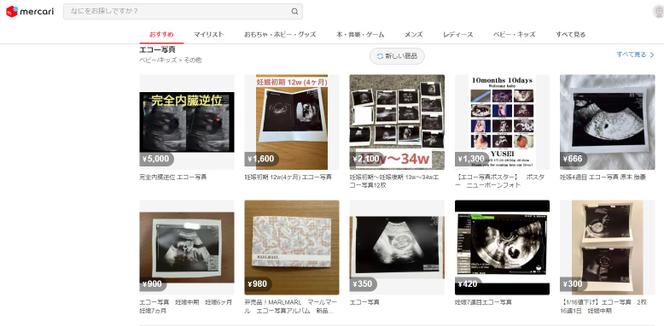
Prior to the ban, listings on Mercari, Japan’s leading peer-to-peer marketplace, offered ultrasound photos with descriptions like, “Ultrasound photo taken at five weeks and six days. Fetal shape confirmed.” The images sold for an average of 2,000 yen (€11.60), with some originals and customized versions – including those with added dates or names – fetching as much as 9,000 yen (€52).
The move follows previous criticism leveled against Mercari for allowing the sale of overpriced face masks during the Covid-19 pandemic.The company has not released details on the volume of ultrasound photo sales prior to the ban.
