Ultra-Processed Foods Linked to Poor Muscle Quality
Modern diets are defined by convenience, but that convenience comes with a biological price tag that extends far beyond the waistline. New clinical evidence suggests that the pervasive consumption of ultra-processed foods is fundamentally altering the composition of human skeletal muscle, trading functional tissue for unhealthy fat deposits.
Key Clinical Takeaways:
- High intake of ultra-processed foods is associated with increased intermuscular fat—”streaks” of fat that sit between healthy muscle fibers.
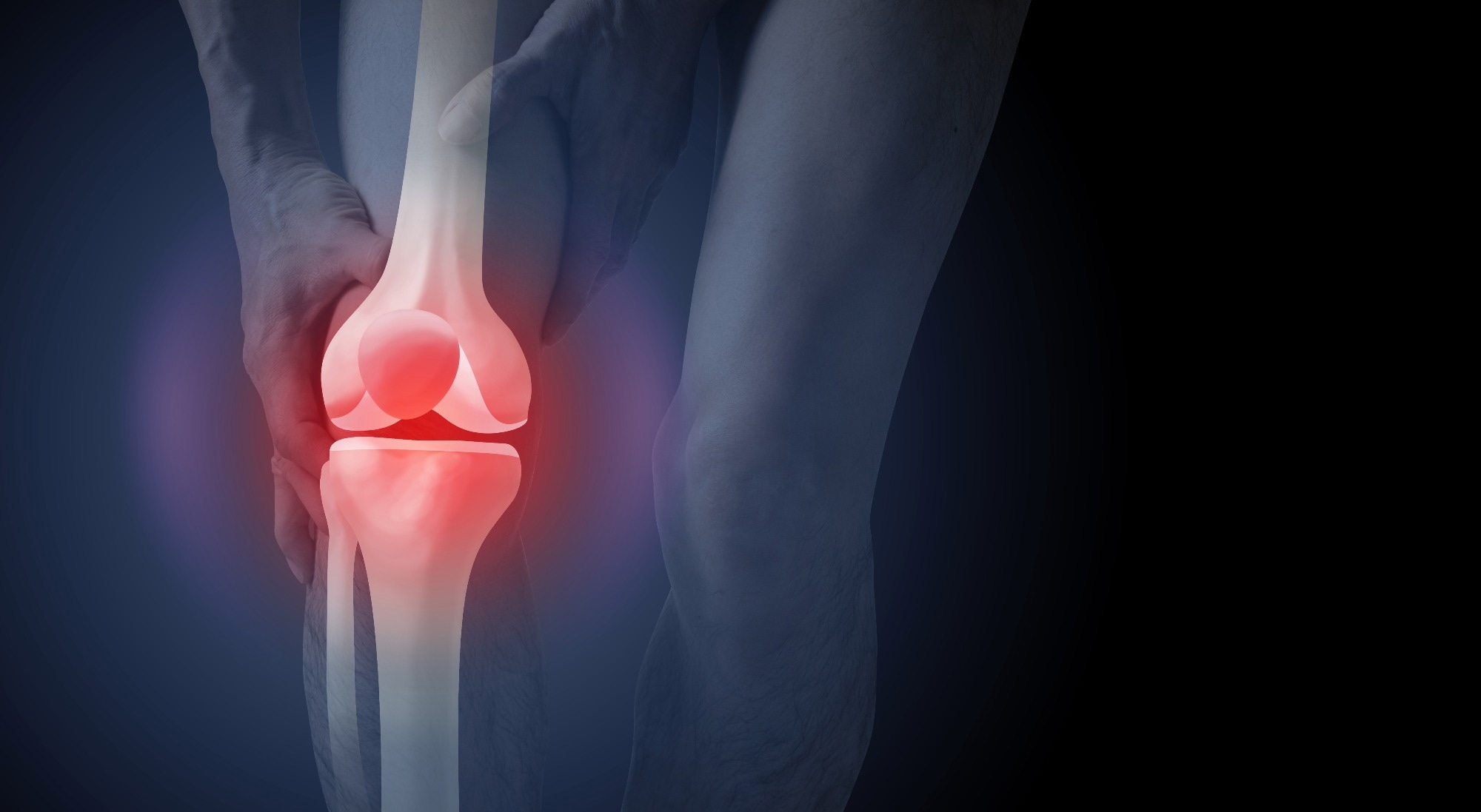
- Degraded muscle quality in the thighs is linked to an increased risk of chronic knee pain and the acceleration of osteoarthritis.
- Poor muscle quality serves as a marker for diminished overall metabolic health and reduced physical strength.
For decades, the clinical community has focused on the systemic risks of ultra-processed foods (UPFs)—namely their contributions to cardiovascular disease and Type 2 diabetes. However, a recent study published in the peer-reviewed journal Radiology shifts the focus toward musculoskeletal health. The research indicates that the additives, high sugar content, and sodium levels characteristic of UPFs do more than impact blood glucose; they may actively degrade the structural integrity of the muscles that support our joints.
The Pathogenesis of Muscle Fat Infiltration
To understand the risk, This proves necessary to distinguish between how the body stores fat within muscle tissue. According to Christopher Fry, co-director of the Center for Muscle Biology at the University of Kentucky, muscles store fat in two distinct ways: intramuscular fat, which exists as little droplets within muscle fibers, and intermuscular fat, which manifests as streaks between the muscles.
In elite athletes, intramuscular fat serves as a critical energy reserve, tapped into during periods of extreme physical exertion. The danger arises when these reserves are not utilized or when metabolic dysfunction occurs. In these instances, fat begins to accumulate as intermuscular streaks. This “marbling” of the muscle is not a benign occurrence; it represents a decline in muscle quality that compromises strength and stability.

“Muscles with lots of fat stored have poor quality, and this is concerning not only because it indicates poorer muscle strength but also worse overall metabolic health,” says lead author Zehra Akkaya, MD, a researcher with the Clinical and Translational Musculoskeletal Imaging group at the University of California in San Francisco.
This physiological shift creates a precarious cycle. As ultra-processed foods drive the accumulation of intermuscular fat, the resulting muscle weakness leaves the skeletal system vulnerable. For those already at risk of degenerative joint diseases, this loss of muscle quality acts as a catalyst for further morbidity.
Clinical Implications for Knee Osteoarthritis
The research utilized a cross-sectional secondary analysis of the Osteoarthritis Initiative, examining MRI scans of 615 adults with an average age of just under 60. The cohort was specifically selected from individuals at risk for knee osteoarthritis, though they did not yet have confirmed hip or knee osteoarthritis, rheumatoid arthritis, or diabetes. The average BMI of the group was 27, placing the majority in the overweight category.
The findings were stark: participants with the highest consumption of ultra-processed foods exhibited significantly greater fat accumulation in their thigh muscles. Because the thigh muscles are the primary stabilizers for the knee, this infiltration of fat directly impairs the joint’s support system. When the musculature fails to provide adequate stability, the mechanical load on the joint increases, accelerating the progression of osteoarthritis and increasing the likelihood of permanent joint damage.
Patients presenting with early-stage joint instability or radiographic evidence of osteoarthritis must look beyond simple analgesics. Addressing the underlying muscle quality is paramount. Those experiencing persistent joint inflammation or mobility issues should be triaged to board-certified orthopedic surgeons or rheumatologists to develop a comprehensive joint-preservation strategy.
Metabolic Dysfunction and Dietary Intervention
The link between UPFs and muscle degradation is not merely a matter of caloric excess. These foods are typically devoid of the essential vitamins and minerals required to maintain musculoskeletal health. The resulting nutrient deficiency, coupled with the inflammatory nature of processed additives, creates an environment conducive to fat infiltration.
Dr. Thomas Link, chief of the musculoskeletal imaging section at the University of California San Francisco, emphasizes that the impact of diet on musculoskeletal health has been historically overlooked. The current data suggests that the “quality” of the muscle—defined by the ratio of contractile tissue to fat—is a more critical metric for longevity and mobility than muscle mass alone.
Correcting this trajectory requires a shift in nutritional standard of care. Rather than focusing solely on weight loss, the clinical goal should be the restoration of muscle quality. This often necessitates the guidance of clinical registered dietitians who can design anti-inflammatory dietary protocols to reduce the intake of UPFs and increase nutrient density.
The Future of Musculoskeletal Diagnostics
As the medical community recognizes the systemic impact of ultra-processed diets, the role of advanced imaging will become increasingly vital. MRI technology, as demonstrated in this Radiology study, allows clinicians to visualize fat infiltration long before clinical symptoms of muscle wasting or joint failure appear. This opens the door for preventative interventions that can stop the progression of osteoarthritis before it requires surgical intervention.

For patients and providers seeking to quantify muscle quality or screen for early signs of degenerative joint disease, utilizing high-resolution imaging at accredited diagnostic imaging centers is the gold standard for early detection.
While this study provides a compelling link between diet and muscle quality, it underscores a broader public health crisis. The ubiquity of ultra-processed foods in the American diet is creating a population with “marbled” muscles—physically present but functionally impaired. Moving forward, the integration of nutritional science into orthopedic and metabolic care will be essential to preserving mobility in an aging population. The transition from a convenience-based diet to a nutrient-dense one is no longer just about heart health; it is about the very foundation of our physical movement.
Disclaimer: The information provided in this article is for educational and scientific communication purposes only and does not constitute medical advice. Always consult with a qualified healthcare provider regarding any medical condition, diagnosis, or treatment plan.