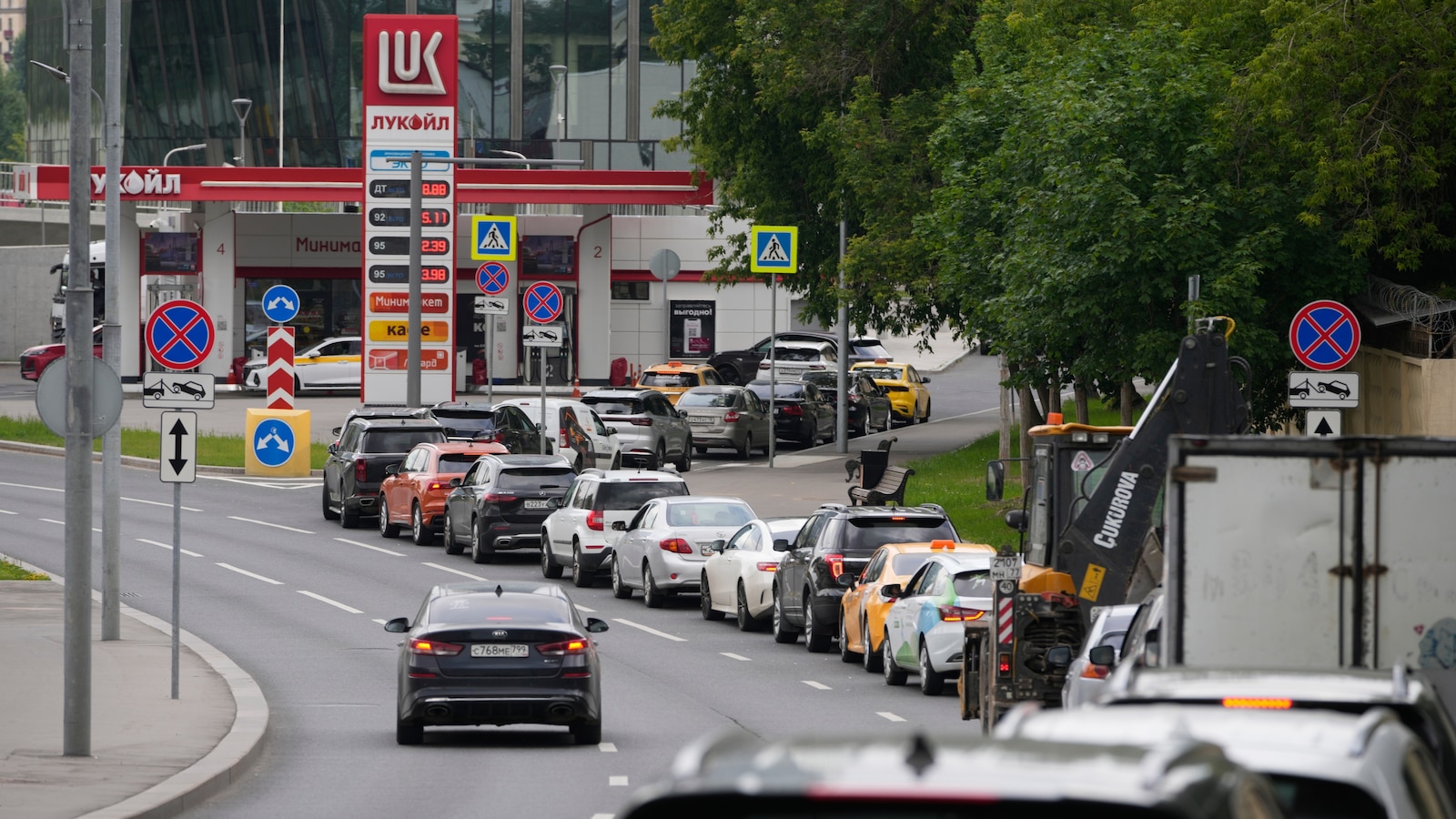
Ukrainian Attacks Spark Fuel Shortages and Long Lines at Russian Gas Stations
Ukrainian drone strikes on Russian oil refineries have triggered a summer fuel crisis across Russia as of July 1, 2026. The coordinated attacks on refining infrastructure have caused widespread gasoline shortages, leading to long queues at filling stations and increased price volatility in regional markets.
The crisis is not a sudden spike but the result of a sustained campaign. For several months, Ukrainian long-range drones have targeted the “primary distillation units” of refineries deep within Russian territory. These units are the heart of the refinery; once destroyed, the facility cannot process crude oil into usable fuel. Because these components are often imported or require specialized fabrication, replacement timelines are measured in months, not days.
Russia’s energy sector is currently facing a structural failure. The inability to refine crude oil domestically has forced the Kremlin to lean on imports, but the logistics of moving fuel to remote regions remain broken.
Why are gas stations across Russia running dry?
The shortage stems from a critical mismatch between crude oil production and refining capacity. Russia continues to pump millions of barrels of oil, but it cannot turn that oil into gasoline or diesel at the rate the domestic market demands. According to data from the Reuters energy desk, the loss of refining capacity has forced the Russian government to intermittently ban gasoline exports to keep domestic pumps flowing.
In cities like Nizhny Novgorod and Samara, residents report that stations are frequently “out of stock” or limiting the amount of fuel per vehicle. This creates a feedback loop of panic buying, which further depletes reserves.
The problem extends beyond simple availability. The lack of high-octane fuel is impacting agricultural productivity during the critical summer harvest window. Farmers are struggling to secure diesel for machinery, threatening crop yields.
For businesses operating in these disrupted zones, the priority has shifted to fuel security. Companies are now seeking [Logistics and Supply Chain Consultants] to reorganize their transport networks and find alternative energy sources to avoid total operational shutdowns.
How does the 2026 crisis compare to previous disruptions?
Unlike previous years where fuel shortages were often attributed to bureaucratic mismanagement or seasonal spikes, the current crisis is a direct result of kinetic warfare. The precision of the drone strikes indicates a shift in Ukrainian strategy toward economic attrition.
| Metric | Previous Disruptions (Pre-2026) | Current 2026 Crisis |
|---|---|---|
| Primary Cause | Logistical bottlenecks/Export quotas | Physical destruction of distillation units |
| Recovery Time | Days to Weeks | Months to Years (due to parts shortages) |
| Scope | Regional/Localized | Systemic/National |
This systemic failure is compounded by international sanctions. The U.S. Department of the Treasury and the European Union have tightened restrictions on the export of dual-use technologies, which includes the specialized sensors and controllers needed to repair modern refineries.
What are the long-term economic consequences?
The Russian economy is now grappling with “imported inflation.” To fill the gap, Russia must buy refined gasoline from abroad, often from friendly nations at a premium. This drains foreign currency reserves and puts upward pressure on the ruble.
Local municipal governments are facing a different set of problems. Public transport systems in several Russian oblasts are reporting delays as municipal fleets struggle to secure reliable fuel shipments. This has led to a rise in unauthorized fuel markets, where “black market” diesel is sold at three times the official price.

The legal fallout is also mounting. As fuel contracts are breached and delivery deadlines missed, a surge of corporate litigation is hitting the courts. Firms are increasingly hiring [Commercial Arbitration Lawyers] to navigate the complex breach-of-contract disputes arising from “force majeure” claims cited by fuel suppliers.
The infrastructure damage is not just a temporary setback. When a refinery’s core is compromised, the entire facility often requires a total overhaul to meet safety standards. The lack of vetted engineering firms capable of performing these repairs under sanction pressure is a critical bottleneck.
Businesses attempting to rebuild or harden their infrastructure are now relying on [Industrial Engineering Firms] to design more resilient, decentralized fuel storage systems that can withstand aerial incursions.
What happens to the global oil market?
The paradox of the Russian fuel crisis is that while Russia lacks gasoline, the global market is seeing a surge in Russian crude oil exports. Because Russia cannot refine the oil, it must sell the raw crude to maintain revenue, which can lead to a global glut of crude and a simultaneous spike in refined product prices.
The International Energy Agency (IEA) has noted that this volatility complicates the energy transition for other nations, as the price of refined products becomes decoupled from the price of raw crude.
The situation remains fluid. If the Ukrainian campaign continues to target the remaining operational refineries in the Ural and Siberian regions, the crisis could evolve from a summer inconvenience into a permanent industrial depression for the Russian interior.
As the energy landscape shifts and infrastructure fails, the ability to find verified, expert assistance becomes the only way to mitigate total loss. Whether it is legal protection against contract failure or the engineering required to rebuild a broken supply chain, the World Today News Directory remains the primary resource for connecting disrupted enterprises with the professionals equipped to solve these global crises.