UK Study: 14 Weight-Loss Drug Patients Averaged 58.5% of Calorie Needs
Eight of 14 study participants on weight-loss drugs ate less than two-thirds of their estimated calorie needs, averaging 58.5% of requirements.
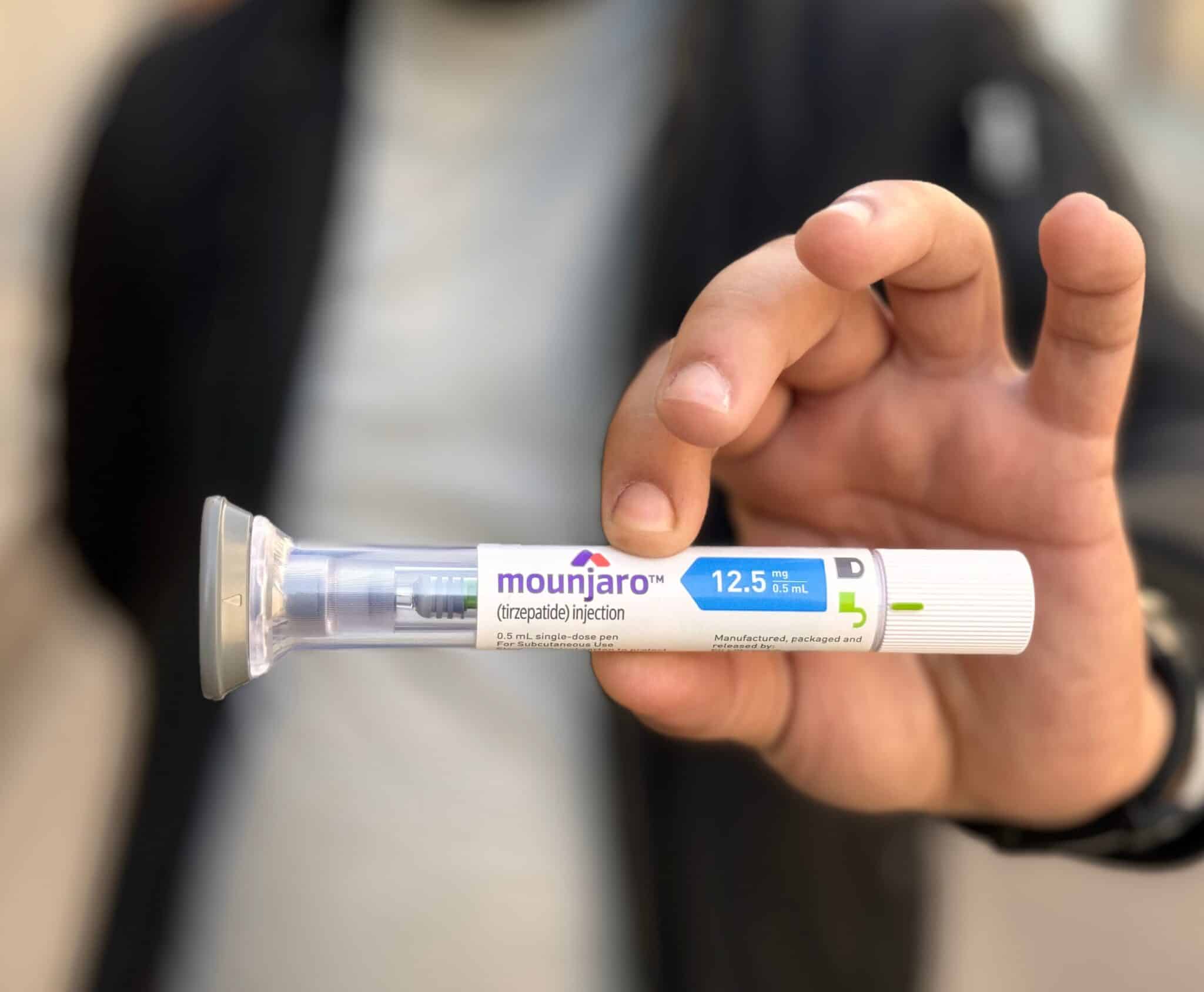
A woman on Mounjaro averaged 541 calories a day — far below the 800-calorie floor UK guidance says requires specialist supervision — in a small English study that found patients on weight-loss drugs eating barely more than half of what their bodies need.
The research was published November 17, 2026, in BMJ Nutrition, Prevention & Health.
- Three of 14 patients in a single family doctor’s practice averaged under 800 calories daily, StudyFinds reported.
- Typical intake ran 58.5% of estimated energy needs; fiber, vitamin D and iron fell short for most participants.
- No monitoring system exists for these patients, unlike the dietitian follow-up built into weight-loss surgery care.
The appetite-suppressing effect of these drugs is precisely why they work for weight loss. The study examined what happens to the rest of the diet when hunger largely disappears.
According to the open-access paper in BMJ Nutrition, Prevention & Health, typical daily intake was 1,231 calories, or 58.5% of estimated needs. Eight of 14 participants ate less than two-thirds of their estimated requirement. Three averaged under 800 — a level at which, per research the authors cite, multiple vitamin and mineral deficiencies become likely.
Who Was Counted at Brackley
Researchers invited all 97 patients at Brackley Medical Centre in Northamptonshire who had been prescribed one of these drugs within the previous year. Seventeen agreed to take part and 14 finished: 11 women and 3 men, ages 27 to 73. Twelve took Mounjaro (tirzepatide); two took semaglutide, sold as Wegovy or Rybelsus. Ten paid privately, four received prescriptions through the NHS — the UK’s public health system — and three of those had type 2 diabetes.
Anyone with an eating disorder or a condition likely to greatly affect intake was excluded. Participants logged meals in the myfood24 food-tracking app for one to 10 days, typically three, with the main analysis using each person’s first two days. Intake was compared against official UK nutrition targets.
UK Meal-Replacement Rules Require Specialist Support Above 800 Calories
The numbers sit uneasily against existing standards. Under UK rules, diets built around meal replacements supplying 800 to 1,200 calories a day are meant to be undertaken solely under expert supervision and with products that deliver full nutrition. All three patients averaging under 800 — self-selected diets, one woman at 541 calories, another at 677.5 — were eating without equivalent oversight, though one was enrolled in a structured support program, StudyFinds reported.
The woman at 677.5 calories drew more than 84% of her energy from ultra-processed foods.
Where Fiber, Vitamin D and Iron Fell Short
Protein was the exception, running about one and a half times the recommended amount, with only one participant short. The gaps clustered elsewhere:
| Nutrient shortfall | Participants short | Out of |
|---|---|---|
| Fiber | 12 | 14 |
| Vitamin D | 11 | 14 |
Vitamin D was counted from food only, not sunlight. The paper measures what people ate, not blood levels, so the gaps do not confirm diagnosed deficiencies. The woman eating 541 calories missed all six tracked priority nutrients: fiber, iron, vitamin D, potassium, magnesium and protein. Three others missed five, and all three averaged about 830 calories or fewer.
Most described home cooking or health-conscious choices, StudyFinds reported — the problem was quantity, not quality.
Patients Shocked by Their Own Diaries
In roughly 20-minute phone interviews, participants described changes in eating and support received. Some avoided social meals because of nausea; others feared regaining weight if they stopped the drug.
Support was thin. Only a handful were in structured programs offering personalized diet guidance and access to the prescriber. Participants frequently noted the NHS provided no organized aftercare, and medication reviews were insufficient to address effects like dizziness and drops in blood pressure — prompting several to seek help in online peer communities.
The 461,000-Patient Precedent on Missing Follow-Up
The monitoring gap predates this study. In a far bigger prior study covering upwards of 461,000 adults recently started on drugs of this type, 92% went six months before treatment without any contact with a dietitian, and shortfalls were likelier to be identified in those who did have contact, StudyFinds reported.
The authors note that patients who have weight-loss surgery get nutrition screening and dietitian follow-up; no equivalent monitoring system exists for these drugs.
What This 14-Patient Study Cannot Show
With just 14 patients, the study cannot establish how frequently extremely low eating occurs across all users of these drugs, nor whether the medications are responsible for the shortfalls.
Since the volunteers were motivated and attentive to their health, the authors add, the results may, “if anything, underestimate nutritional risk.” No specific grant from a public, commercial or not-for-profit funder was declared, and the authors report no competing interests.
More extensive research is now required to determine how prevalent very low intake truly is — and the authors describe the project as a service evaluation designed to raise questions for bigger studies, rather than to demonstrate that the drugs produce nutrient gaps.
Brackley Medical Centre serves a semi-rural practice area extending to surrounding villages, with a patient list just in excess of 16,000. The practice has recently moved to a brand new, purpose-built premises that forms part of an innovative healthcare campus combining the GP surgery with a pharmacy, community services, a new community hospital with in-patient beds and an adjacent private care home.
Despite its size, the practice describes itself as retaining the feel of a small, supportive team with an academic slant. It has a long history of GP registrar training, runs a weekly journal club for clinical staff and fortnightly whole-team clinical meetings, and describes itself as a “learning organisation” committed to teaching and staff training.
Disclaimer: The information provided in this article is for educational and scientific communication purposes only and does not constitute medical advice. Always consult with a qualified healthcare provider regarding any medical condition, diagnosis, or treatment plan.