
.
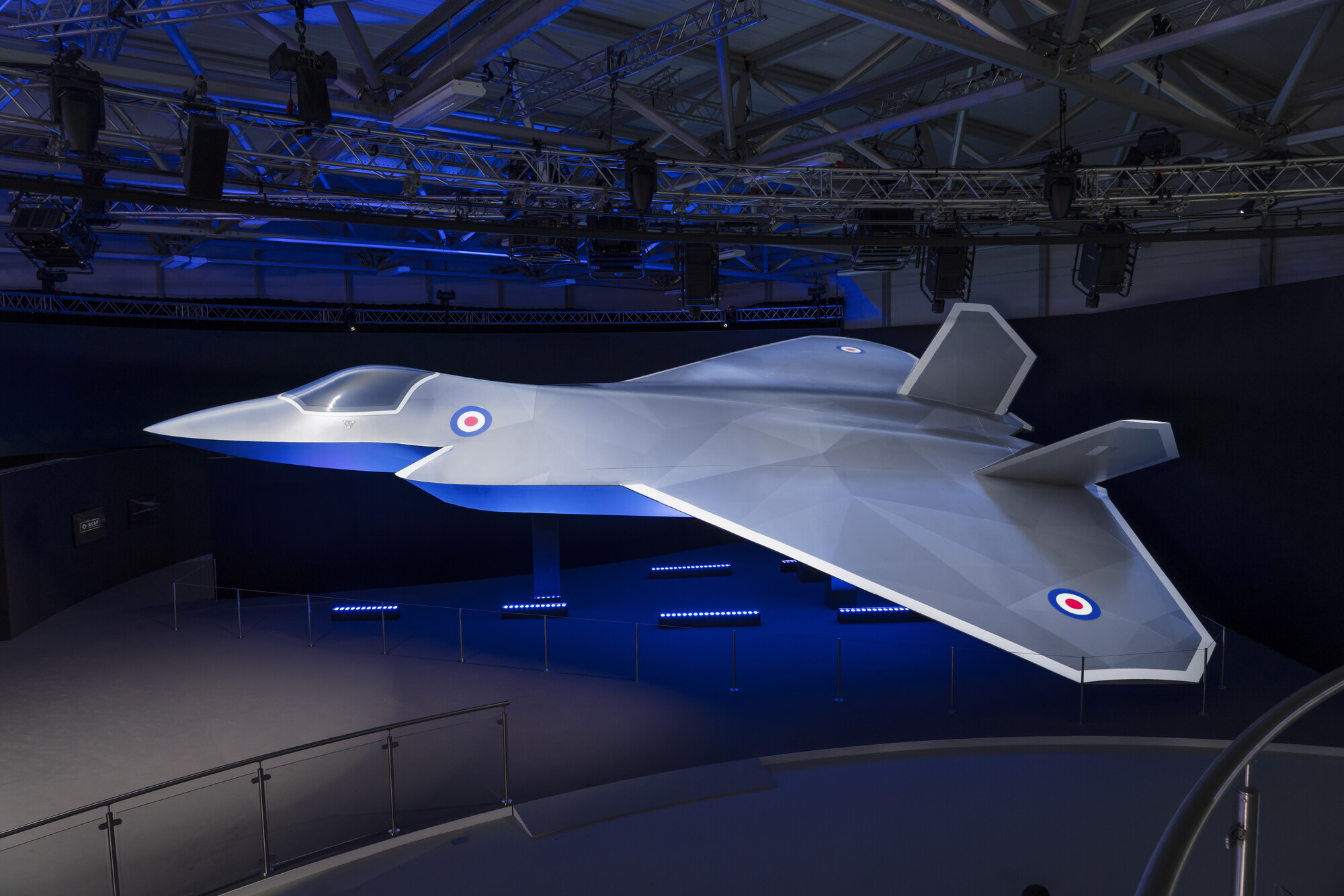
GCAP is now at teh center of a structural shift involving European defense‑industry integration and the race for sixth‑generation combat aircraft. The immediate implication is a possible realignment of partners toward a UK‑led model as the EU‑centric FCAS falters.
The Strategic Context
The post‑Cold‑War era has seen Europe pursue deeper defence collaboration to offset U.S. dominance and to sustain sovereign industrial capabilities.The EU’s “strategic autonomy” agenda has driven large, multi‑nation programmes such as the Future Combat Air System (FCAS), wich bundles French, German and Spanish interests. Simultaneously, the United Kingdom, after Brexit, has sought to retain a leading role in high‑tech defence by forging extra‑EU and extra‑regional ties, exemplified by the trilateral Global Combat Air Program (GCAP) with Italy and japan.Multipolar competition, especially with China’s rapid aerospace advances, intensifies the pressure to field next‑generation platforms before the mid‑2030s.
Core Analysis: Incentives & Constraints
Source Signals: The UK Defence Minister reaffirmed openness to new partners while emphasizing delivery speed. GCAP merges the UK Tempest and Japan F‑X projects, backed by BAE systems, Leonardo and Mitsubishi Heavy Industries, and is treaty‑based in the UK. Recent parliamentary questioning raised the prospect of German participation. Parallel reporting indicates FCAS is in “serious difficulty,” with stalled Phase 2 contracts and public German debate about breaking from France. French and Spanish officials continue to champion FCAS as a pillar of European autonomy, yet Dassault’s CEO doubts the fighter’s feasibility without decisive leadership. Media warn that FCAS collapse could jeopardise other EU flagship projects.
WTN Interpretation:
- UK Incentive: Preserve a leading role in next‑gen aerospace, diversify industrial risk, and leverage the UK’s export market (including Japan) to offset EU‑centric programmes. The treaty‑based structure gives the UK legal and diplomatic leverage to set governance rules.
- italy Incentive: Secure a share in cutting‑edge technology and maintain industrial relevance for Leonardo, while balancing EU commitments. Participation in a UK‑led venture offers a hedge against FCAS delays.
- Japan Incentive: gain access to Western stealth and AI capabilities, reduce reliance on U.S. platforms, and deepen strategic ties with the UK and Italy.
- German constraint: Existing commitment to the F‑35 and domestic political pressure to protect national aerospace firms limit willingness to join a non‑EU programme. Growing frustration with FCAS’s deadlock creates a window, but any shift must reconcile budgetary constraints and industrial sovereignty concerns.
- French/Spanish Constraint: Their advocacy for FCAS is tied to broader EU integration goals; a collapse would undermine political narratives of autonomy and could weaken bargaining power in other joint projects (e.g., ground combat systems).
- industrial Constraint: The unresolved leadership dispute between Dassault and Airbus reflects a structural inability to align divergent national industrial policies, making FCAS vulnerable to further delays. In contrast, GCAP’s defined leadership (Edgewing joint venture) offers clearer decision‑making pathways, attracting partners seeking certainty.
WTN Strategic Insight
“When multilateral defence programmes lose decisive leadership, the vacuum is filled by smaller, tightly governed coalitions that can deliver faster and retain export appeal.”
Future Outlook: Scenario Paths & Key Indicators
Baseline path: If FCAS continues to stall and the UK, Italy and Japan maintain momentum, GCAP will formalise additional partners (potentially Germany) through a revised treaty amendment. The programme proceeds to Phase 2 contracts by 2026, securing a mid‑2030s entry‑into‑service timeline and attracting ancillary suppliers from Europe seeking a reliable export platform.
risk Path: If political pressure in Germany escalates or if the EU decides to re‑centralise defence procurement around a revived FCAS (e.g., by appointing a single lead integrator), GCAP could lose prospective partners, face funding shortfalls, and experience a slowdown that opens space for U.S. or Chinese platforms to dominate export markets.
- Indicator 1: Outcome of the German‑France defence ministerial meeting scheduled for Q1 2026 (whether a joint statement on FCAS leadership is issued).
- Indicator 2: Publication of GCAP’s Phase 2 work‑share allocation by mid‑2025, indicating whether new partners have been formally added.
