
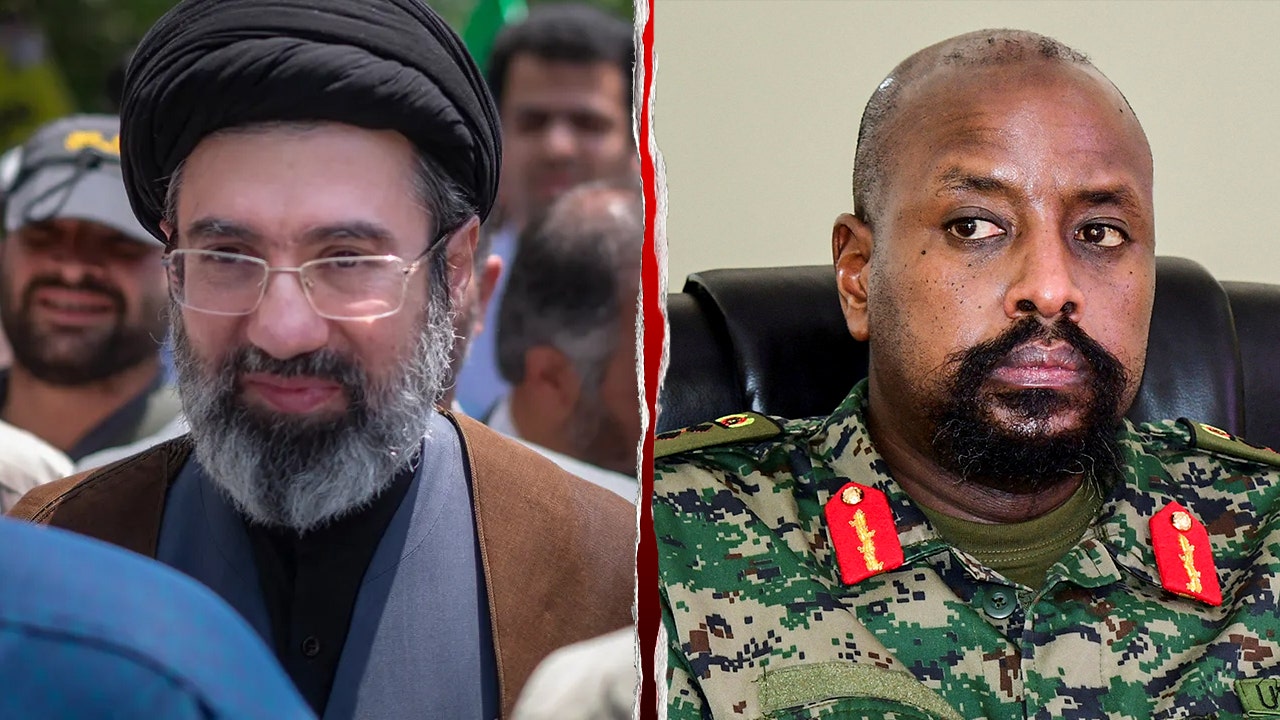
Uganda Military Chief Warns Country Could Enter Iran War on Israel Side
Uganda’s military chief, General Muhoozi Kainerugaba, has publicly pledged support for Israel amidst escalating tensions with Iran, going so far as to suggest Ugandan forces could intervene militarily on Israel’s side. This declaration, delivered via X (formerly Twitter), raises complex geopolitical questions and, crucially, highlights the potential for brand risk and logistical challenges for companies operating in the region. The situation demands proactive political risk analysis and robust security protocols.
From Entebbe to Escalation: A History Revisited
The echoes of 1976 are deafening. Kainerugaba’s pronouncements aren’t simply a contemporary expression of solidarity; they’re a deliberate invocation of a pivotal moment in Ugandan-Israeli relations – Operation Thunderbolt, the daring raid to rescue Israeli hostages held at Entebbe Airport. The general has even announced plans for a statue honoring Lt. Col. Yonatan Netanyahu, the mission’s leader who perished during the operation, to be erected at the airport. This gesture, whereas seemingly symbolic, is a powerful statement of alignment, particularly given his position as the likely successor to President Yoweri Museveni. The historical weight of Entebbe, a defining moment for both nations, now casts a long shadow over the current crisis.
The Geopolitical Calculus and Regional Implications
Kainerugaba’s rationale, articulated on social media, centers on a combination of religious affiliation (“We stand with Israel because we are Christians”) and a perceived historical debt. He frames Uganda as a “David” standing against a “Goliath,” a narrative that resonates with certain segments of the Ugandan population. However, the reality is far more nuanced. Uganda’s military, while actively engaged in regional peacekeeping operations – notably in Somalia against al-Shabab and in the Democratic Republic of Congo against ADF – faces significant logistical constraints. According to the Ugandan Ministry of Defence, the Uganda People’s Defence Force (UPDF) comprises 45,000 active personnel and 35,000 reserves, equipped with approximately 240 tanks and over 1,000 armored fighting vehicles. Deploying a meaningful force to Israel would stretch these resources thin and potentially destabilize Uganda’s commitments elsewhere.
Iran’s limited direct interests in Uganda shouldn’t be misinterpreted as a lack of concern. Reports suggest Iranian covert operations in neighboring Kenya and Tanzania, including smuggling networks and diplomatic outreach. Uganda, while landlocked, is wary of Iran’s strategic ambitions in the Indian Ocean and Red Sea. This regional awareness underscores the potential for escalation, even if indirect.
The Brand Equity Equation: Risk and Reputation Management
This situation isn’t merely a matter of military posturing; it’s a potential crisis for brands with a presence in East Africa. A direct Ugandan military intervention, or even perceived strong support for Israel, could trigger boycotts, protests, and reputational damage, particularly within Muslim-majority communities. The potential for backlash extends to companies involved in infrastructure projects, tourism, and consumer goods.
“In today’s hyper-connected world, a single tweet can trigger a global crisis. Companies require to be prepared to respond swiftly and decisively, not just with statements, but with concrete actions that demonstrate their commitment to neutrality and respect for all stakeholders.”
– Anya Sharma, Partner, Global Reputation Strategies
The key here is proactive risk mitigation. Companies need to assess their exposure, develop contingency plans, and engage with specialized crisis PR firms capable of navigating complex geopolitical landscapes. The focus must be on protecting brand equity and minimizing potential damage.
Intellectual Property and Security Concerns: A Parallel Track
Beyond the immediate geopolitical implications, the situation raises concerns about intellectual property (IP) security. Israel is a hub for technological innovation, particularly in cybersecurity and defense. Increased regional instability could lead to a surge in cyberattacks and espionage, targeting sensitive data and trade secrets. Companies operating in the region need to bolster their cybersecurity defenses and ensure robust data protection protocols. This is particularly critical for firms involved in joint ventures or technology transfer agreements with Israeli entities.
the potential for disruption to supply chains is significant. The Red Sea, a vital shipping lane, is already experiencing increased tensions. Further escalation could lead to closures or delays, impacting the flow of goods and increasing transportation costs. Companies reliant on these routes need to diversify their supply chains and explore alternative transportation options.
The Legal Landscape: Contractual Obligations and Force Majeure
The current crisis similarly has implications for contractual obligations. Companies with contracts in the region need to review their force majeure clauses, which typically excuse performance in the event of unforeseen circumstances such as war or political unrest. However, invoking force majeure is not always straightforward and may require legal counsel.
“Force majeure clauses are often heavily negotiated and subject to interpretation. Companies need to carefully assess the specific language of their contracts and seek legal advice to determine whether they have a valid claim.”
– David Chen, Partner, International Trade Law Group
Navigating these legal complexities requires expertise in international law and a thorough understanding of the local regulatory environment. Engaging with specialized international legal counsel is essential to protect their interests.
The Future of Regional Security and Investment
Kainerugaba’s intervention, whether a calculated move or a rash declaration, underscores the volatile nature of the Middle East and its ripple effects across Africa. The situation demands a cautious and strategic approach from businesses operating in the region. Proactive risk assessment, robust security protocols, and effective crisis communication are no longer optional; they are essential for survival. The long-term impact on regional stability and investment remains uncertain, but one thing is clear: the stakes are high, and the need for expert guidance has never been greater.
As the situation unfolds, the World Today News Directory stands ready to connect you with vetted professionals – from crisis PR experts and international legal counsel to security consultants and event management specialists – to help you navigate these challenging times.
*Disclaimer: The views and cultural analyses presented in this article are for informational and entertainment purposes only. Information regarding legal disputes or financial data is based on available public records.*