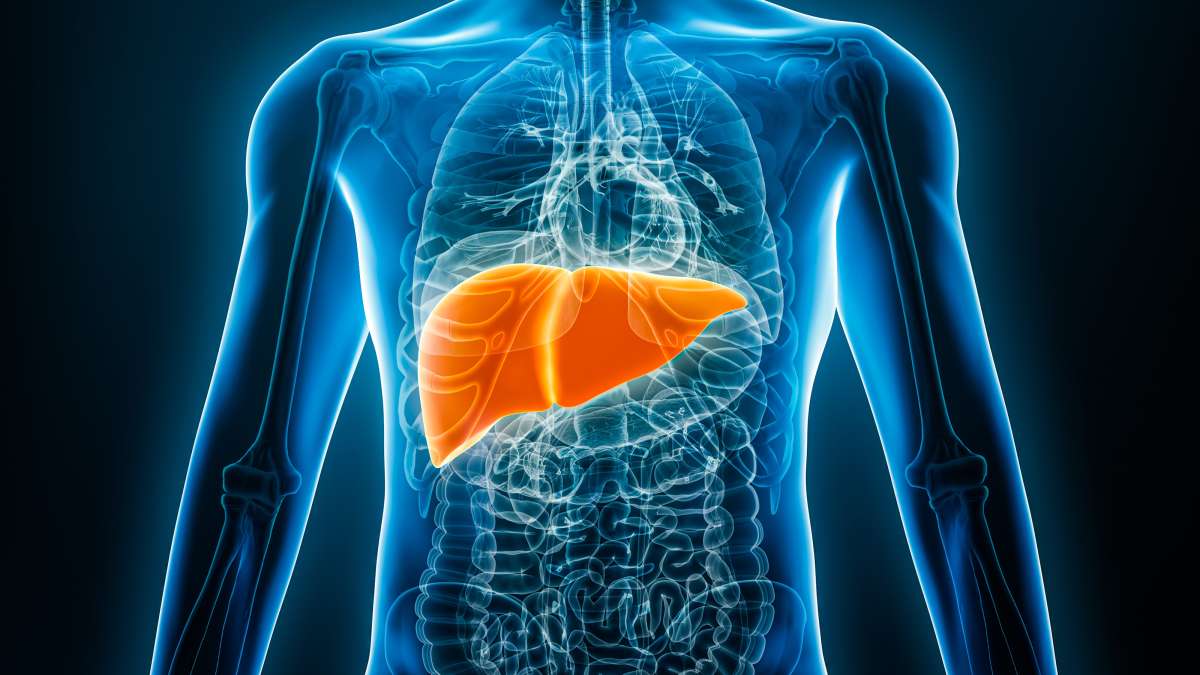
UCLA Health Publishes Clinical Review on Selecting MASH Liver Disease Drugs
Following the 2024 and 2025 regulatory approvals of two distinct therapeutic options for metabolic dysfunction-associated steatohepatitis, liver specialists at UCLA Health published a new clinical review outlining how physicians should select between resmetirom and semaglutide for adult patients presenting with moderate to advanced fibrosis.
Key Clinical Takeaways:
- Resmetirom is a daily oral pill targeting thyroid hormone receptors in the liver, approved by the FDA in 2024 to clear liver fat and prevent further liver damage without inducing weight loss.
- Semaglutide is a GLP-1 medicine available as a daily pill or weekly injection, approved for MASH in 2025 to drive weight loss and blood sugar management.
- UCLA Health specialists developed a new treatment algorithm published in Digestive Diseases and Sciences to help clinicians match these drugs to individual patient risk profiles, comorbidities, and preferences.
Development of the UCLA Health Treatment Algorithm
Metabolic dysfunction-associated steatohepatitis, commonly known as MASH, is a severe form of metabolic dysfunction-associated steatotic liver disease characterized by hepatic fat accumulation, inflammation, and cellular damage. Over time, this pathology advances to fibrosis, cirrhosis, and liver failure, establishing MASH as a leading cause of cirrhosis and a common reason for liver transplantation, as well as raising the risk of liver cancer. With approximately one in three individuals worldwide and roughly 100 million adults in the United States affected by MASLD—and roughly 20% of those patients progressing to MASH—hepatology providers have long managed the condition without FDA-approved pharmaceutical interventions.
Historically, clinical management relied on lifestyle counseling, weight loss encouragement, bariatric surgery referrals, or use of vitamin E and the diabetes drug pioglitazone. The recent introduction of resmetirom and semaglutide changes liver disease treatment by offering targeted interventions capable of slowing or reversing liver damage before it leads to cirrhosis. Because both medications advanced through Phase III clinical trials independently without direct head-to-head comparative trials, liver specialists at UCLA Health constructed a practical decision algorithm to guide physicians through the nuances of selection.
Resmetirom and Semaglutide Operate Through Different Physiological Pathways
The two approved therapies operate through fundamentally different physiological pathways. Resmetirom functions directly within the hepatic tissue by binding to thyroid hormone receptors, facilitating the clearance of intrahepatic fat and preventing progressive injury. Senior author Sammy Saab, MD, medical director of the UCLA Health Adult Liver Transplant Program and chief of hepatology, noted that while both medications demonstrate clinical efficacy, distinct patient characteristics dictate individual selection. Brian Horwich, MD, a general and transplant hepatologist at UCLA Health, likened resmetirom to a defensive goalkeeper protecting the liver from fatty liver disease.
Conversely, semaglutide acts systemically as a GLP-1 medicine. By triggering weight loss and lowering blood sugar, the medication prevents fat from building up in the liver, functioning as a defense mechanism for the liver against fat deposits. Lead author Jason Pan, MD, a transplant hepatologist and gastroenterologist at the UCLA Health Pfleger Liver Institute, explained that while side effects for both agents—such as nausea, vomiting, and diarrhea—are predictable, temporary, and manageable, certain clinical scenarios may even warrant sequential or combined deployment. For instance, patients who fail to tolerate higher doses of semaglutide can transition or add resmetirom to optimize therapeutic response.
Clinicians Use Staging Tools to Select Optimal Medication
Selecting the optimal medication requires initial staging to evaluate the extent of hepatic scarring. Resmetirom and semaglutide are used for adults presenting with stage 2 or stage 3 fibrosis. Clinicians deploy noninvasive diagnostic tools, including FibroScan and MRI with elastography, to quantify hepatic fat and architectural fibrosis. These evaluations remain essential because routine blood panels, including standard aspartate aminotransferase and alanine aminotransferase levels, frequently register within normal limits despite the disease.
According to the UCLA Health algorithm, clinicians must assess overlapping metabolic comorbidities before initiating therapy. Semaglutide may be a good fit for patients with concurrent type 2 diabetes, heart disease, or obesity where weight loss is clinically indicated. Resmetirom may be better when weight loss isn’t desired or when patients cannot take a GLP-1. Financial considerations also influence the care pathway, with out-of-pocket expenses ranging from hundreds to thousands of dollars monthly despite broad insurance coverage.
Multidisciplinary collaboration remains a cornerstone of this care model. UCLA Health specialists coordinate with cardiologists and nutrition experts to address the broader systemic risks associated with MASH, emphasizing that pharmacotherapy must accompany structural lifestyle modifications such as regular exercise, alcohol limitation, reducing saturated fats, and adherence to a Mediterranean-style dietary pattern. Following initiation, clinical monitoring of laboratory markers and symptoms is recommended within one to two months, though improvements in fibrosis typically require at least four to six months of sustained adherence.
Disclaimer: The information provided in this article is for educational and scientific communication purposes only and does not constitute medical advice. Always consult with a qualified healthcare provider regarding any medical condition, diagnosis, or treatment plan.
Related reading
- Researchers Develop Human Lung Models With Immune Cells, Nature Study Finds
- Early Flu Activity in Northern Hemisphere: Experts Urge Senior Vaccination
- Google Partners With Flo Health to Bring Cycle Tracking to Wearables (time.news)
- Liver cancer symptoms appear late requiring high-risk screening (archyde.com)