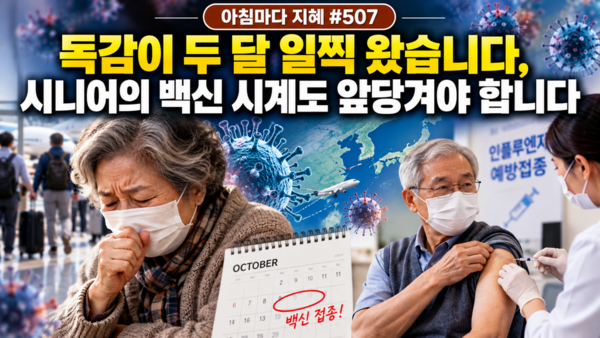
Early Flu Activity in Northern Hemisphere: Experts Urge Senior Vaccination
Influenza activity is rising across the Northern Hemisphere two months earlier than historical averages, with clinical reports from the United States, Canada, and Hawaii signaling an unusually early start to the respiratory virus season. According to reporting in the Washington Post, the Seattle Children’s Hospital system recorded about 150 pediatric influenza-positive cases over a recent two-week period, a volume typically seen in early December and sharply up from about 10 cases during the same period last year, prompting Dr. Danielle Zerr, who leads the pediatric infectious disease division at the hospital, to voice concern over the roughly two-month acceleration.
- Influenza activity has surged significantly earlier than the typical December peak, with H1N1 identified as a dominant strain in several regions.
- Clinical data suggests high-risk populations, including seniors and those with underlying health conditions, face an increased risk of severe morbidity and complications such as pneumonia.
- Public health officials recommend immediate vaccination as the primary defense, noting that protective antibody titers typically require two weeks to develop following inoculation.
Early Influenza Detection Across North American Regions
The trend of early viral circulation is not limited to the Pacific Northwest. According to Careyou News, elevated laboratory positivity rates have been identified in Alaska, California, and Nevada, with the latter reporting the season’s first influenza-associated death in a 50-year-old patient with underlying comorbidities. In Canada, the British Columbia Centre for Disease Control (BCCDC) reported that influenza activity is rising ahead of schedule, with H1N1 identified as the primary driver of current infections, as reported by the Vancouver JoongAng Ilbo.
Data from the federal government respiratory virus surveillance indicates a national influenza test positivity rate of 3.7% for the week of September 21–26. Epidemiologists suggest that while current national levels in the U.S. remain low, the regional surges indicate an unpredictable trajectory for the coming winter months.
Clinical Considerations for High-Risk Populations
The shift in viral dominance from H3N2 in previous seasons to H1N1 this year has prompted discussions regarding population-level immunity. Regardless of the strain, clinicians emphasize that influenza poses a substantial threat to older adults and individuals with chronic health conditions.

A pharmacist in Victoria noted that people seem to be getting sicker this year, reflecting on the increased number of patients reporting severe symptoms in recent weeks, as reported by the Vancouver JoongAng Ilbo.
The risk of secondary complications, such as bacterial pneumonia, remains the primary concern for geriatric patients. With an estimated 45,000 influenza-associated deaths reported in the U.S. during the 2024–2025 season, medical professionals advocate for proactive management of vaccination schedules. Patients should prioritize consultations with primary care physicians or board-certified geriatricians to evaluate their individual risk profiles and determine the appropriate timing for seasonal vaccines, particularly for those managing multi-morbidities.

Vaccination Access and Public Health Strategy
Public health officials continue to stress that while vaccines may not provide complete sterilizing immunity, they remain the most effective intervention for reducing the incidence of hospitalization and mortality. Beyond immunization, clinical guidance remains consistent: frequent hand hygiene, indoor ventilation, and the use of masks in crowded settings are essential components of a multi-layered defense strategy. Individuals experiencing symptoms are advised to seek early medical consultation, as antiviral treatments demonstrate higher efficacy when administered during the early stages of infection.
Patients with persistent respiratory symptoms or those at high risk for complications should reach out to local diagnostic centers or primary care practices to ensure their vaccination status is current and to discuss early-intervention protocols.
Disclaimer: The information provided in this article is for educational and scientific communication purposes only and does not constitute medical advice. Always consult with a qualified healthcare provider regarding any medical condition, diagnosis, or treatment plan.