
The Union Cycliste Internationale (UCI) will fund its legal battle against SRAM using €300,000 from the SafeR budget, a move that has sparked conflict among cycling stakeholders and effectively means some teams will be funding litigation against their own sponsor.
The dispute centers on the UCI’s attempt to implement a Maximum Gear Ratio Standard, intended to improve rider safety by limiting speeds, particularly on descents. SRAM launched legal action in September, arguing the regulations unfairly disadvantaged its teams and disparaged its products. The Belgian Competition Authority (BCA) initially ruled in favor of SRAM, finding the UCI’s standard lacked objectivity and transparency and generated disproportionate negative effects on the equipment supplier.
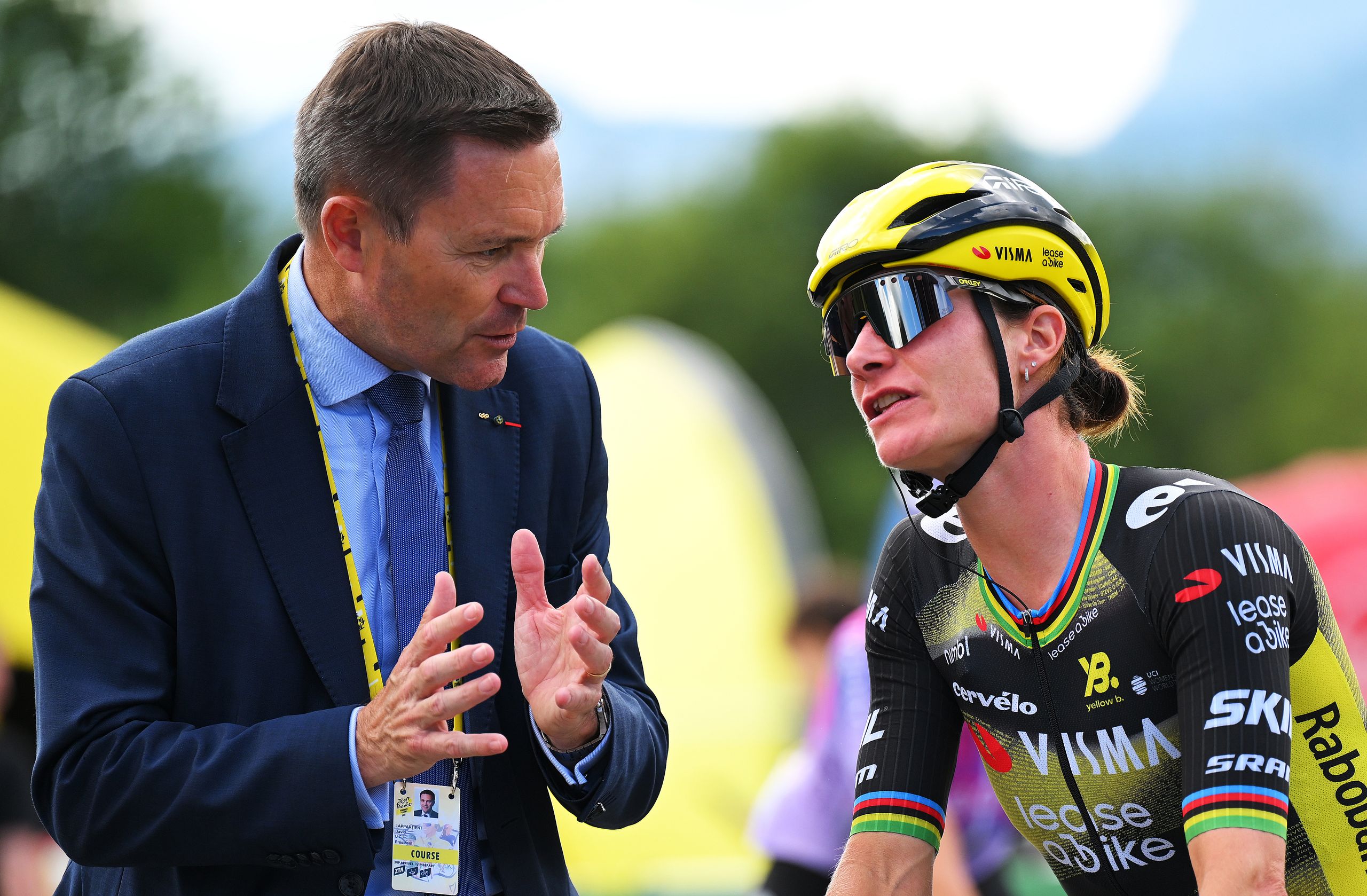
Despite the BCA’s ruling, the UCI intends to appeal. According to a summary note obtained by Cyclingnews and confirmed by multiple sources, UCI President David Lappartient requested support for legal proceedings during a recent meeting of the SafeR Supervisory Board. SafeR, dedicated to improving safety in professional cycling, is funded by contributions from rider prize money, teams, race organizers, and the UCI.
The decision to utilize SafeR funds has created a rift among stakeholders. A manager of a WorldTour team with a sponsorship agreement with SRAM told Cyclingnews, “They’re using funds from the teams to go against the team’s sponsor.” The International Association of Professional Cycling Teams (AIGCP) voted against the proposal, while the Association of Professional Riders (CPA) and the International Association of Race Organisers (AIOCC) voted with the UCI, allowing the decision to pass.
The UCI’s proposed Maximum Gear Ratio Standard would have limited the maximum gear ratio to a distance covered per pedal revolution of 10.46 meters, roughly equivalent to a 54×11 gear combination when paired with a 28mm tire. SRAM produces cassettes with a 10-tooth smallest sprocket, which, when used with a 54-tooth chainring, would exceed the UCI’s limit. Teams using SRAM components would have been forced to either use a smaller chainring, potentially sacrificing performance, or block off the 10-tooth sprocket, effectively reducing their 12-speed groupsets to 11-speed.
The initial proposal considered a 28mm tire size, but teams frequently use wider tires. The UCI did not account for tire size in its initial implementation, meaning teams using 30mm tires and a 54×11 gear combination would have been in violation of the rule.
SRAM CEO Ken Lousberg stated in a September press release that the protocol “penalizes and discourages innovation and puts our riders and teams at a competitive disadvantage.” The BCA agreed, ruling that the UCI’s standard did not meet the required conditions of objectivity and transparency.
Following the BCA’s ruling, the UCI withdrew the test planned for the Tour of Guangxi in China but expressed its surprise at the intervention of a competition authority, particularly a Belgian authority responding to a complaint from a US company regarding a test scheduled in China. The UCI questioned the international authority of the BCA.
According to the note seen by Cyclingnews, Lappartient proposed that the UCI grab over management of SafeR, reducing the influence of other stakeholders, due to the lack of unity demonstrated during the vote. This proposal will be discussed at the next UCI Management Committee meeting this summer.
The UCI has not responded to Cyclingnews’ request for comment. SRAM declined to comment on the matter.
