
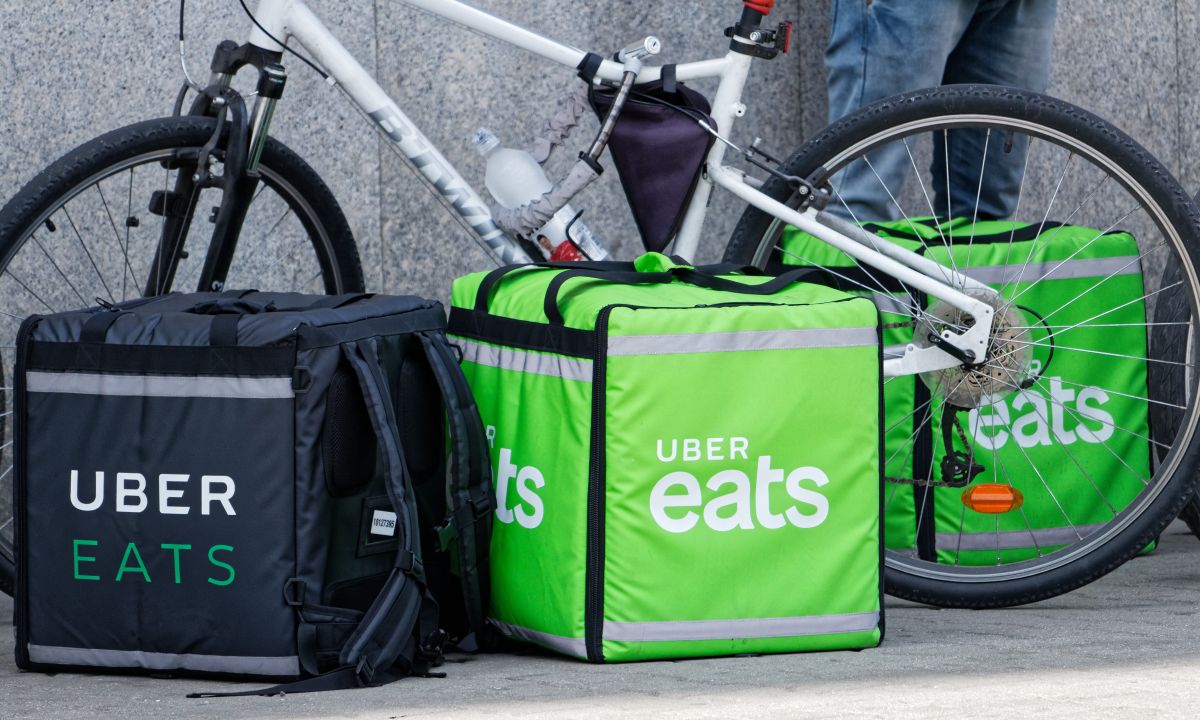
Uber is expanding its food delivery services into seven new European markets this year: Austria, Denmark, Norway, the Czech Republic, Greece, Romania, and Finland, the company announced Sunday.
The move, detailed by the Financial Times, is part of a broader strategy to generate an additional $1 billion in gross bookings over the next three years, according to Uber Head of Delivery Susan Anderson. “We’re excited to be entering seven new markets where the incumbent has grown comfortable. We think it’s time to raise the bar, shake things up and deliver better value across the category,” Anderson said.
The expansion places Uber in direct competition with Finland-based Wolt, which was acquired by DoorDash in 2022, in several of its core markets. Europe’s food delivery sector has seen significant consolidation recently, with tech investor Prosus acquiring Just Eat Takeaway last year for $4.3 billion and DoorDash acquiring British delivery service Deliveroo for $3.9 billion in 2025, according to the Financial Times.
Uber’s recent plans to acquire rival Getir’s food delivery operation in Turkey is intended to complement its existing Trendyol Go business in the country. Anderson stated that combining the two companies will allow Uber to maintain demand for restaurant merchants while integrating its global technology within the Turkish market.
Beyond expansion, Uber Eats is also investing in artificial intelligence. The company is preparing to launch a beta feature, Cart Assistant, that utilizes AI to build grocery baskets based on text or image input, as reported by PYMNTS.com. Users will be able to create shopping lists by typing, describing desired meals, or uploading images of handwritten lists or recipe ingredients.
Uber CEO Dara Khosrowshahi highlighted the company’s broader integration of generative AI across its platform during a November earnings call, stating that the technology is being used to enhance productivity, optimize operations, and personalize consumer experiences. Rival Instacart has also introduced AI features, launching an app on OpenAI’s ChatGPT in December and debuting its own Cart Assistant in November.
