
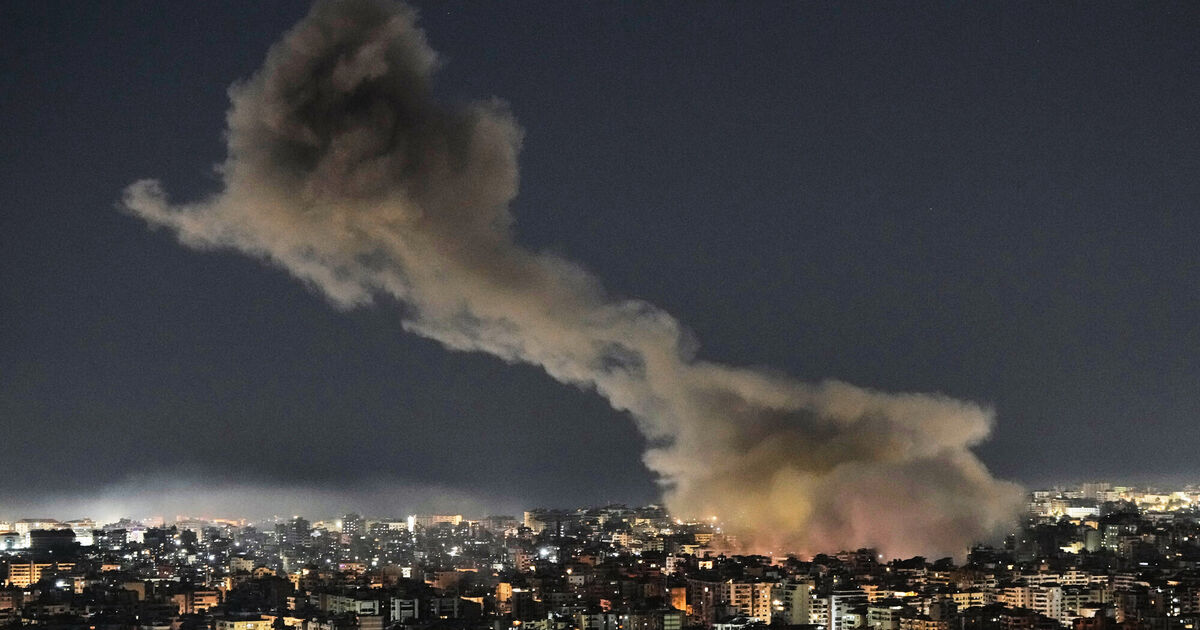
The United Arab Emirates’ air defenses have intercepted 186 missiles and 812 drones launched from Iranian territory since the start of the conflict triggered by the US-Israeli strikes against Iran, the UAE Ministry of Defence announced Tuesday. According to Brigadier General Abdul Nasser Mohammed Al-Humaidi, a defence spokesperson, one missile penetrated the country’s defenses, while 172 were intercepted and 13 fell into the sea. Fifty-seven drones landed within UAE territory, with 755 intercepted and eight cruise missiles destroyed.
The attacks have resulted in three deaths and 68 minor injuries across the UAE, along with minor to moderate damage to civilian infrastructure, Al-Humaidi stated. The UAE’s response comes after Iranian state media reported the death of Supreme Leader Ayatollah Ali Khamenei in the initial US-Israeli assault.
The escalating conflict has prompted a security alert from the US Embassy in Saudi Arabia, warning of a potential imminent missile or drone attack targeting the eastern city of Dhahran, home to a US consulate and the headquarters of Saudi Aramco. This follows evacuation orders issued by the Israeli military for residents of more than two dozen towns in southern Lebanon, accompanied by Israeli troop incursions along the Lebanese border. The United Nations refugee agency reports at least 30,000 displaced people have sought shelter in Lebanon since hostilities between Israel and Hezbollah began Monday.
Further complicating the situation, the US Embassy in Riyadh was reportedly attacked, while President Donald Trump indicated that the US military operation against Iran could extend beyond the initially projected four-to-five-week timeframe. Trump stated the operation aims to dismantle Iran’s missile capabilities, eliminate its naval capacity, prevent the development of nuclear weapons, and curtail support for groups like Hezbollah.
Saudi Arabia’s Defence Ministry confirmed that two drones attacked the Ras Tanura oil refinery, but were successfully intercepted. QatarEnergy announced a halt to its liquefied natural gas production, impacting global energy markets and causing a 40% surge in European natural gas prices.
The US State Department has ordered the departure of non-emergency government personnel and their families from Bahrain, Jordan, Qatar, and Kuwait, and previously from Iraq, citing security concerns. A travel advisory was issued urging American citizens to leave several Middle Eastern countries, including Iran, Iraq, Jordan, Lebanon, and Israel, “immediately.”
An incident involving a misidentification by Kuwaiti forces resulted in the downing of three US F-15E Strike Eagles during the Iranian attacks, with all six pilots ejecting safely. Australian Defence Minister Richard Marles confirmed an Iranian drone strike on an Australian military facility in the UAE, but reported no injuries.
The International Atomic Energy Agency confirmed damage to the entrance buildings of Iran’s Natanz Fuel Enrichment Plant, but stated no significant impact was detected at the nuclear facility itself, and no radiological consequences are expected. The facility had been “severely damaged” in previous strikes.
The death toll in Iran has risen to 787, according to the Iranian Red Crescent, with attacks reported in over 130 cities. In Israel, 11 people have been killed, and 31 in Lebanon, according to authorities. The US military has confirmed a total of six American casualties during the operations against Iran.
Iranian Foreign Minister Abbas Aragchi accused the US of initiating “a war of choice on behalf of Israel” and called on the American people to “take back their country.”
