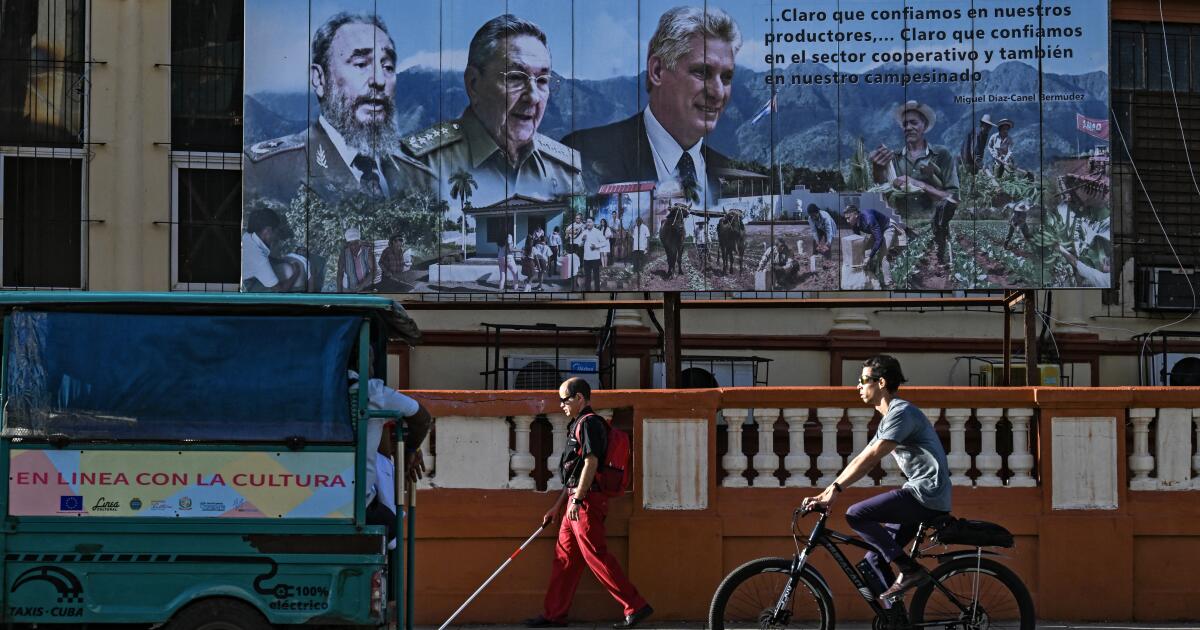
U.S. Charges Raúl Castro with Murder Over 1996 Cuba Plane Attack as Leaders Warn of War
The United States has escalated tensions with Cuba by charging former President Raúl Castro with murder regarding a 1996 attack on civilian aircraft. In response, Cuban leadership has issued a national directive for citizens to prepare for war, signaling a severe breakdown in diplomatic relations and a significant threat to Caribbean stability.
The move by U.S. Authorities represents a seismic shift in the long-standing geopolitical standoff between Washington and Havana. By targeting a former head of state for actions taken decades ago, the United States is moving beyond economic sanctions and into the realm of criminal accountability for high-level political figures. This development has transformed a historical grievance into an immediate, existential threat for the island nation, forcing the Cuban government to adopt a posture of total mobilization.
The Shadow of 1996: A Legal Reckoning
The core of this escalation lies in the resurrection of the 1996 incident involving civilian aircraft. While the event has been a point of contention for years, the formal move to charge Raúl Castro with murder marks a definitive change in strategy. This legal maneuver aims to address what U.S. Prosecutors characterize as a direct attack on civilian lives, a move that challenges the long-standing principle of sovereign immunity for former heads of state.
For the legal community, the implications are profound. The case tests the limits of extraterritorial jurisdiction and the ability of one nation to prosecute the leaders of another for historical human rights violations. As these legal proceedings move forward, international law specialists are increasingly being called upon to analyze the precedent this sets for global diplomacy and the prosecution of political leaders.
The timing of the charges suggests a coordinated effort to address unresolved maritime and aviation security issues that have plagued the Florida Straits for years. By linking modern legal standards to the 1996 attack, the U.S. Is attempting to provide a definitive judicial conclusion to a conflict that has remained perpetually open.
“We are witnessing a pivot from diplomatic containment to active judicial confrontation. This isn’t just about a single incident from thirty years ago; it is about establishing a new standard for accountability regarding state-sponsored actions against civilian targets.”
— A senior legal analyst specializing in Caribbean affairs.
Mobilization and the Rhetoric of Conflict
The response from Havana was swift and visceral. Rather than engaging in a purely diplomatic or legal rebuttal, Cuban leaders have pivoted toward domestic mobilization, instructing the citizenry to prepare for the possibility of armed conflict. This directive has sent shockwaves through the island, prompting a state of heightened alert across various municipal jurisdictions.
The psychological impact on the Cuban population cannot be overstated. In the streets of Havana and beyond, the rhetoric of “preparing for war” serves a dual purpose: it reinforces national unity against external pressure and prepares the logistical framework for a potential state of emergency. This mobilization includes directives to secure essential resources and prepare civilian infrastructure for disruptions that often accompany heightened military tensions.
For businesses and residents alike, the uncertainty is paralyzing. The sudden shift from political friction to the threat of kinetic conflict necessitates immediate attention to safety and contingency planning. Organizations operating within the region are now prioritizing engagement with global risk management consultants to mitigate the potential for sudden operational shutdowns or physical security breaches.
Regional Stability and the Economic Ripple Effect
The reach of this crisis extends far beyond the shores of Cuba. The Caribbean basin is a critical corridor for global trade and the threat of conflict in the Florida Straits poses a direct risk to maritime security and international shipping lanes. Any escalation in military readiness or actual engagement would immediately impact maritime insurance rates, potentially driving up costs for all goods moving through the region.
The economic fallout is expected to manifest in several key areas:
- Maritime Logistics: Increased naval presence and heightened alert levels in the Florida Straits could lead to significant delays in commercial shipping and increased transit costs.
- Tourism and Travel: The stability of the Caribbean tourism sector is highly sensitive to geopolitical volatility. A “prepare for war” directive from a major regional player can lead to immediate cancellations and a loss of investor confidence.
- Regional Trade Agreements: Neighboring nations may find themselves forced to navigate complex diplomatic waters as they attempt to insulate their own economies from the fallout of a U.S.-Cuba confrontation.
As the economic landscape shifts, companies with significant Caribbean footprints are seeking guidance from supply chain specialists to ensure the continuity of their operations amidst increasing regional volatility.
The Legal Frontier and the Future of Diplomacy
The crux of the matter remains the unprecedented nature of the criminal charges. If the United States successfully pursues a conviction against a former leader of a sovereign nation, it will fundamentally alter the landscape of international relations. It moves the needle from the traditional tools of statecraft—embargoes, sanctions, and diplomatic isolation—to the tools of the courtroom.

This development also places immense pressure on international bodies to take a stance. The tension between the pursuit of justice for civilian victims and the preservation of diplomatic norms creates a vacuum of certainty. Will this lead to a more accountable global order, or will it simply create a more fractured and dangerous international environment where leaders are perpetually vulnerable to the legal whims of their adversaries?
The situation remains fluid, with both the U.S. Department of Justice and the Cuban government issuing conflicting narratives regarding the legitimacy of the charges and the necessity of the mobilization. As the legal and military postures of both nations harden, the window for a negotiated resolution appears to be closing rapidly.
The question is no longer whether the past will be litigated, but whether the present can survive the fallout of that litigation. As the world watches the Caribbean, the need for verified, high-level expertise in navigating these unprecedented geopolitical shifts has never been more critical. For those tasked with protecting assets, lives, and continuity in an era of escalating state conflict, finding the right specialized crisis management experts through the World Today News Directory is the first step in preparing for an uncertain future.