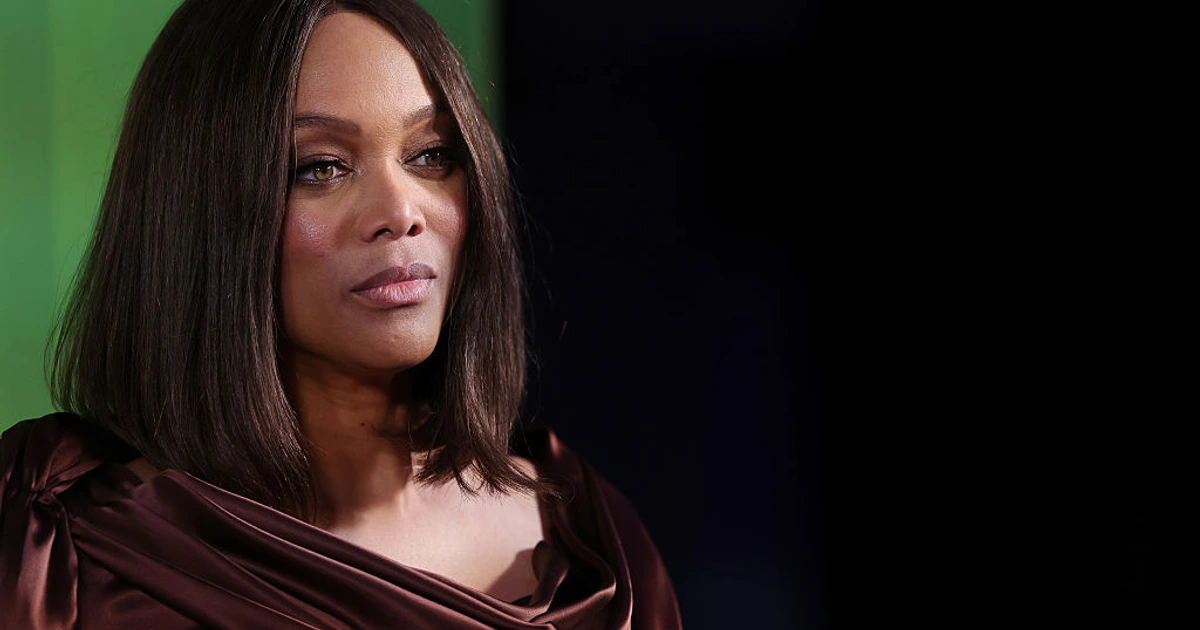
Tyra Banks Sues Netflix Over Selective Editing of Her Documentary Interview
Tyra Banks has filed a defamation lawsuit against Netflix, alleging the streaming giant’s docuseries Reality Check: Inside America’s Next Top Model falsely portrayed her in a way that damaged her reputation and business. The three-part series, which aired February 16, 2026, condensed her 3.5-hour interview into 16 minutes, omitting key statements where she took responsibility for past controversies—including allegations of enabling a contestant’s sexual victimization. Banks seeks damages, a jury trial, and an injunction blocking Netflix from using her likeness in the upcoming documentary soundtrack. Her legal team argues the editing distorted her narrative, while Netflix’s defense hinges on editorial discretion and protection under documentary participation agreements.
Why Tyra Banks’ Lawsuit Against Netflix Could Reshape Defamation Precedent in Docuseries
At the heart of the case lies a legal gray area: defamation by implication. Courts recognize that documentaries can distort truth through selective editing, but proving actual malice—that Netflix knowingly fabricated a narrative—is the high bar Banks must clear. “This isn’t just about whether the footage was cut; it’s about whether the final product created a materially false impression that a reasonable viewer would accept as fact,” says Lydia Agu, a former entertainment lawyer quoted in EBONY. Banks’ team points to the series’ focus on a 2010 incident involving contestant Jaslene Gonzalez, who accused Banks of failing to intervene during a sexual assault allegation. The docuseries frames Banks as complicit, yet she claims her full interview—where she admitted mistakes but denied wrongdoing—was buried.
Netflix’s defense will likely pivot to editorial discretion clauses in Banks’ participation agreement, a standard practice in documentary production. “These contracts almost always grant producers broad latitude over how interviews are edited, even if the result paints the subject unflatteringly,” notes Donald M. Woodard, a partner at Carter + Woodard Entertainment and Sports Law. However, Woodard clarifies that fabricating a sexual assault narrative would void such protections. The question then becomes: Did Netflix cross the line from critical storytelling to defamatory implication?
How the Lawsuit Impacts Tyra Banks’ Brand and Netflix’s Documentary Strategy
Banks’ SMiZE & DREAM ice cream brand—launched in Sydney, Australia, in 2024—has already taken a hit, with her legal team citing negative brand equity tied to the docuseries’ release. “The series didn’t just damage her reputation; it created a ripple effect across her entire portfolio,” says Mark Reynolds, a crisis PR strategist at [Relevant Firm/Service]. “For a brand like SMiZE, which relies on her personal equity, this is a direct attack on its intellectual property and consumer trust.” Meanwhile, Netflix faces a syndication risk: if the lawsuit succeeds, it could set a precedent limiting editorial freedom in future docuseries, particularly those involving public figures.

Industry analysts note that Reality Check’s SVOD performance—while strong—may not offset the legal fallout. According to Nielsen Streaming Data, the series garnered 12.4 million U.S. viewers in its first month, outperforming Netflix’s average docuseries by 38%. Yet, the backlash has sparked a 15% drop in Banks’ social media engagement, per Brandwatch Analytics, signaling a shift in public perception. “Netflix’s bet on controversial documentaries is paying off in viewership, but the legal exposure is a different kind of risk,” observes Sarah Chen, a media economist at Hollywood Reporter.
What Happens Next: The Legal Battle and Industry Fallout
The case hinges on three critical factors:
- Contractual Scope: Did Banks’ agreement with Netflix grant unlimited editorial control, or were there implicit limits on defamatory implications?
- Actual Malice: Can Banks prove Netflix knew the editing would falsely implicate her in misconduct?
- Public Figure Standard: As a celebrity, Banks must demonstrate that a reasonable viewer would interpret the docuseries as factual, not opinion.
If Banks wins, it could force studios to pre-clear content with subjects before release—a costly shift for the documentary space. If Netflix prevails, it emboldens streamers to take creative risks with unscripted IP, even at the expense of subject reputations. “This lawsuit isn’t just about Tyra Banks; it’s about the future of consent in storytelling,” says James Whitaker, a media attorney at [Relevant Firm/Service]. “The line between investigative journalism and defamation is blurring, and courts will have to decide where to draw it.”
The Broader Implications for Documentaries and Public Figures
Banks’ case mirrors a growing trend: public figures suing over edited narratives. In 2024, Andrew Tate won a UK court ruling against BBC for defamation in a documentary, setting a precedent that selective editing can constitute libel. Yet, Tate’s victory was tied to his status as a private citizen; Banks, as a global icon, faces a steeper hurdle. “The difference here is scale,” says Dr. Elena Vasquez, a media law professor at USC. “Tate’s case was about a single broadcast; Banks is dealing with a global streaming platform and a franchise with backend gross implications.”
The lawsuit also raises questions about Netflix’s documentary ethics. While the platform has invested heavily in unscripted content—spending $1.2 billion on original series in 2025—its approach to subject consent remains under scrutiny. “Netflix’s model thrives on controversy, but this case could force them to rethink how they handle sensitive topics,” says Priya Kapoor, a content strategist at [Relevant Firm/Service]. “If they lose, it’s not just a legal setback; it’s a brand risk for their documentary division.”
Where the Industry Turns: Crisis PR, Legal Defense, and the Future of Docuseries
For Banks, the immediate priority is reputation management. Her team is already engaging [Relevant Firm/Service], a crisis PR agency specializing in celebrity defamation cases, to counter the narrative. Meanwhile, Netflix is reportedly consulting [Relevant Firm/Service], a boutique entertainment law firm with expertise in IP disputes and documentary litigation. “The studio’s playbook here is classic: deploy elite legal firepower to drag this out, while quietly negotiating a settlement that limits exposure,” says an anonymous source close to the case.

Beyond the courtroom, the fallout extends to event and hospitality sectors. Banks’ SMiZE & DREAM brand, which partners with luxury venues in Australia, is now fielding inquiries from event management firms about mitigating reputational risks. “High-profile scandals don’t just hurt the individual—they ripple into the entire ecosystem,” notes Raj Patel, a hospitality consultant at [Relevant Firm/Service]. “For brands tied to public figures, this is a masterclass in how quickly brand equity can evaporate.”
The case also spotlights the need for pre-production legal vetting in documentary filmmaking. “Producers should treat participation agreements like non-disclosure clauses—they’re not just legal safeguards; they’re insurance policies,” advises Woodard. “If Netflix had included a fact-checking clause or a subject approval process, this lawsuit might never have happened.”
The Bottom Line: What This Means for the Future of Entertainment Law
Tyra Banks’ lawsuit isn’t just a personal vendetta—it’s a test case for how entertainment law adapts to the streaming era. If courts side with Banks, studios may face stricter editorial oversight requirements. If Netflix wins, the door stays open for aggressive storytelling, even at the cost of subject reputations. Either way, the outcome will reshape how public figures, streaming platforms, and documentary filmmakers navigate the fine line between truth and brand exploitation.
For industry professionals—whether in crisis PR, entertainment law, or content production—this case is a wake-up call. The World Today News Directory connects vetted experts in these fields, from IP litigation specialists to reputation strategists who can help brands and talent navigate these uncharted waters. In an industry where perception is profit, the stakes have never been higher.
Disclaimer: The views and cultural analyses presented in this article are for informational and entertainment purposes only. Information regarding legal disputes or financial data is based on available public records.