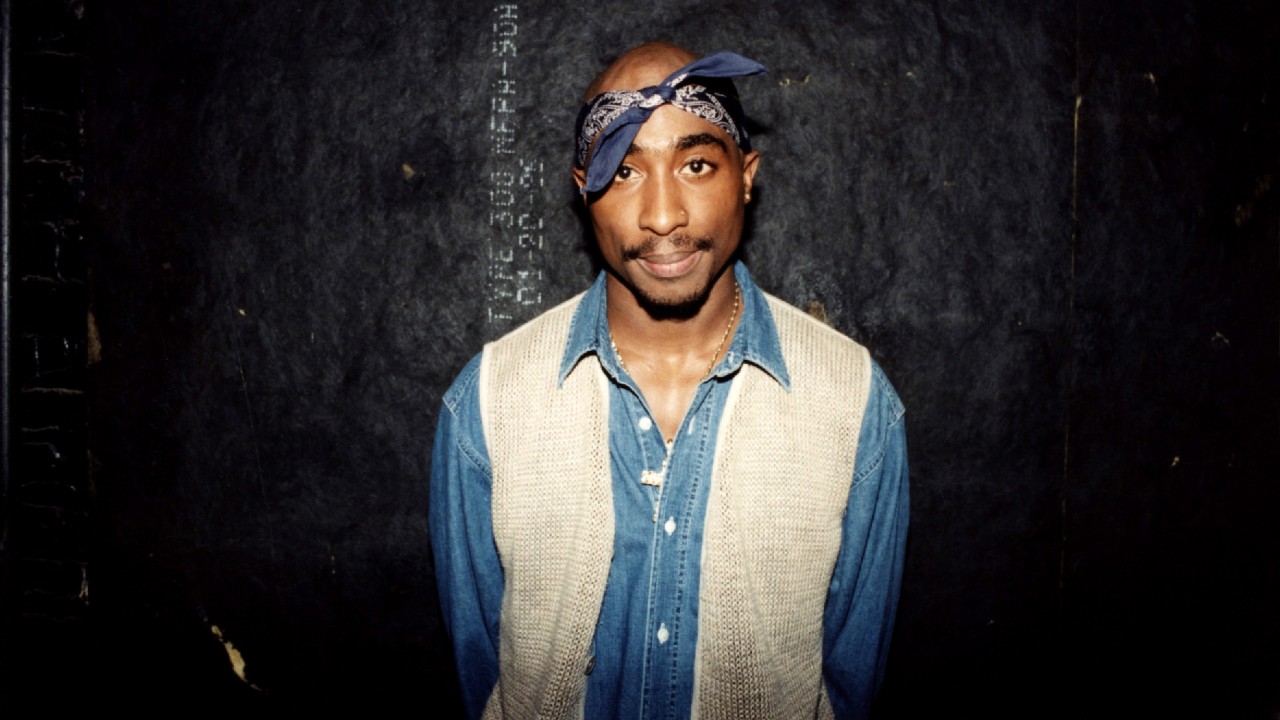
Tupac Shakur Murder Trial: Keefe D Memoir Admitted as Evidence
Who, What, Where, Why: Judge Approves Keefe D’s Memoir as Evidence in Tupac Murder Case
A ruling in Clark County allows portions of Duane “Keefe D” Davis’s memoir, *Compton Street Legend*, as evidence in the 1996 Tupac Shakur murder trial, reigniting scrutiny over the case’s legal implications. The ruling, reported by CBS 8 News Now, complicates proceedings as prosecutors and defense attorneys clash over the memoir’s admissibility, with the trial set for August 10.
The Memoir as Evidence: A Legal and Cultural Crossroads
The decision to permit select passages from Davis’s memoir as evidence marks a moment in a case that has lingered for nearly three decades. Prosecutors argue the text reinforces their case, pointing to passages they say describe Davis’s involvement in events tied to the 1996 shooting of Tupac Shakur, while defense attorneys contend the memoir’s narrative style blends fact and narrative in ways that could mislead jurors.

The memoir’s inclusion also raises questions about the role of personal narratives in criminal trials. Davis, identified as a central suspect awaiting trial, has alternated between denial and partial acknowledgment, a pattern that complicates his credibility. The defense’s objection to the memoir’s use is based on prior understandings they believe should keep the material out of court.
Legal Rulings and Trial Preparations: A Timeline of Uncertainty
Key rulings remain pending, including the admissibility of Los Angeles Police Department interviews and the selection of jurors. The trial, scheduled to begin August 10, faces decisions on how jurors will be isolated during trial.
Meanwhile, new allegations have emerged from jailhouse recordings in which Davis discusses the case. While it is not yet clear whether prosecutors will rely on them at trial, the material adds another layer of complexity. Maurice “Mopreme” Shakur, Tupac’s stepbrother, has also filed a wrongful death lawsuit against Davis and others, seeking damages tied to the 1996 killing.
The Cultural Impact: A Case Study in Legal and Media Intersections
The Tupac murder case has long been a touchstone for discussions about the legal system’s handling of crimes. Davis’s memoir, *Compton Street Legend*, is being used as evidence in court, highlighting the intersection of personal storytelling and legal testimony.
What Happens Next: The Trial and Its Broader Implications
As the trial approaches, the legal team for Davis faces the challenge of countering the memoir’s narrative. The court’s decisions on jury selection and evidence admissibility will shape the trial’s trajectory.
The case also raises questions about the long-term impact of unresolved crimes. Tupac’s legacy continues to influence legal and media discourse.