
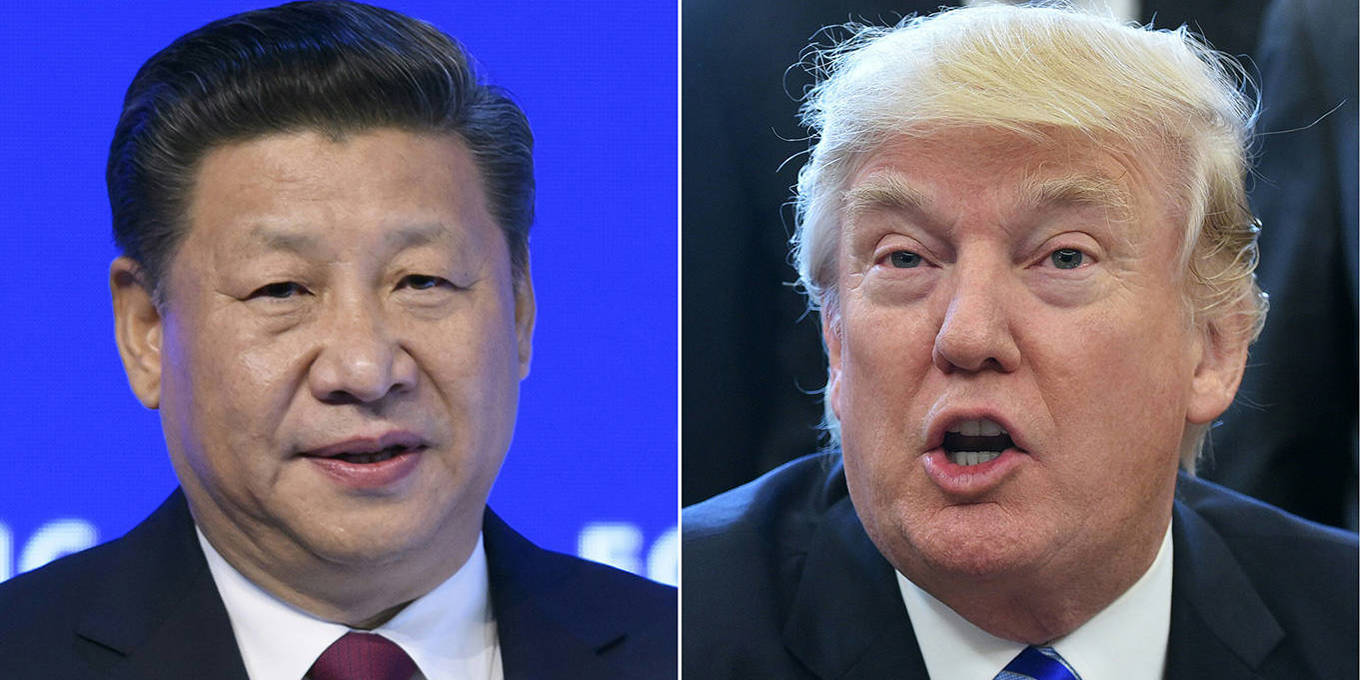
Profiles in Weakness: Why the Trump-Xi Meeting Reveals More Constraints Than Confrontation
Table of Contents
Princeton, NJ – The highly anticipated meeting between US President Donald Trump and Chinese President Xi Jinping at the Asia-Pacific economic Cooperation Summit in South Korea arrives amidst escalating tensions, but a closer look reveals a dynamic defined not by strength, but by mutual vulnerability.The perception of a new Cold War between two global superpowers obscures a more nuanced reality: both nations operate under significant constraints, acutely aware of each other’s weaknesses.
Beyond the Headlines: Acknowledging Mutual Constraints
The world has watched with apprehension as the Sino-American rivalry intensifies, generating increasingly alarming headlines throughout the year. However, as Harold James points out, the narrative of two all-powerful giants locked in a struggle for dominance is misleading. Both President Trump and President Xi are keenly aware of the vulnerabilities within their respective systems, a realization that limits their ability to project strength and engage in unrestrained competition.
This understanding of mutual constraint fundamentally alters the dynamics of the relationship. Neither leader can afford to fully expose the other’s weaknesses,as doing so woudl inevitably reveal their own.The upcoming face-to-face encounter,therefore,isn’t simply about asserting dominance,but about navigating a complex landscape of interconnected vulnerabilities.
the Limits of Power
The core of the issue lies in the internal pressures facing both the United States and China. The US, despite its economic and military might, grapples with deep political divisions and a growing sense of societal unease. China,while enjoying robust economic growth,faces challenges related to demographic shifts,environmental degradation,and increasing internal dissent. These internal factors substantially constrain the options available to both leaders.
