Trump Top Aides Hold Secret Camp David Talks on Iran War
President Trump’s top national security aides held an unannounced meeting at Camp David on Friday to weigh major military and diplomatic moves regarding the ongoing war in Iran and the Saudi-Houthi conflict in Yemen, Axios reported.
Camp David Talks Chaired by Vice President Vance
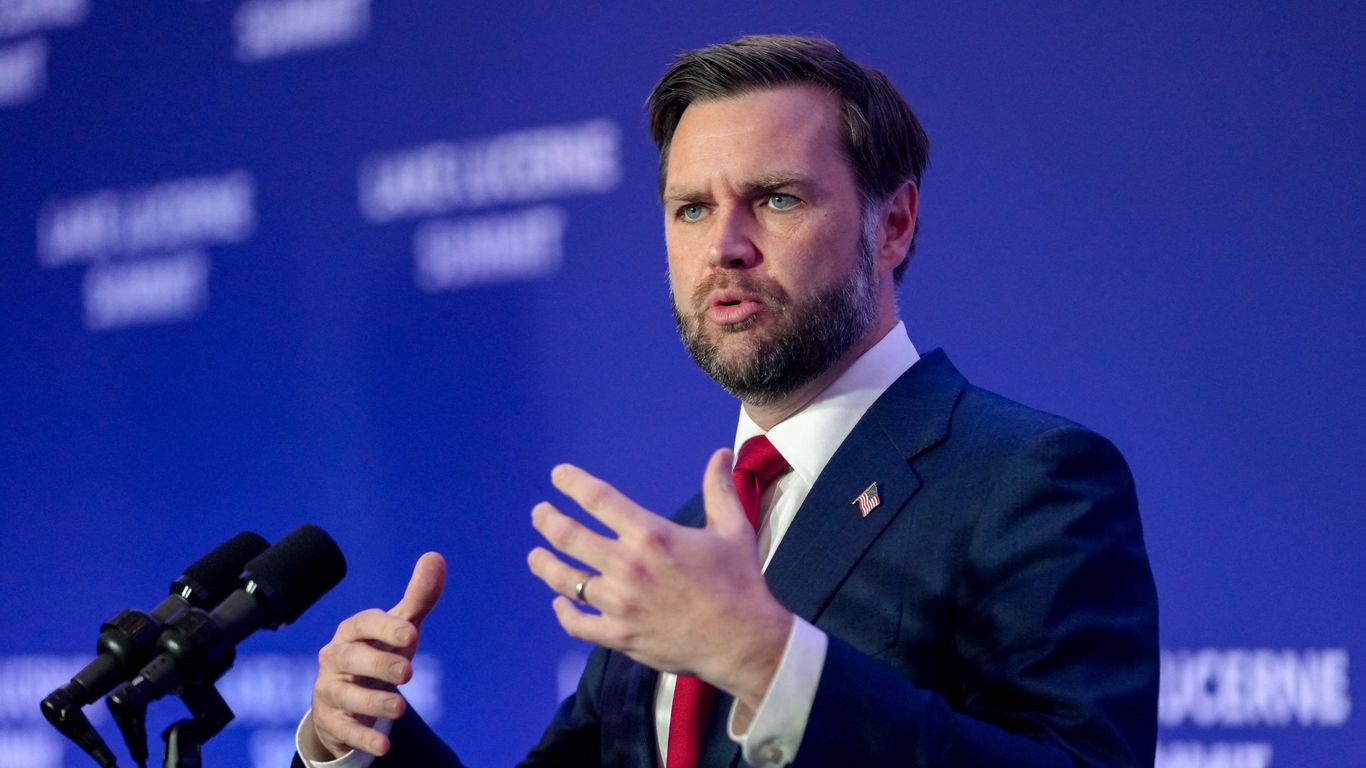
Vice President Vance chaired the high-level strategy session, which brought together key cabinet members and defense officials for hours of closed-door discussions. The gathering was not publicly announced by the White House, marking a rare high-level alignment on Middle East policy since similar talks occurred in June 2025 ahead of Israel’s military engagements with Iran.
Participants at the Camp David summit included Secretary of State Marco Rubio, Secretary of Defense Pete Hegseth, White House envoy Steve Witkoff, CIA Director John Ratcliffe, and Chairman of the Joint Chiefs of Staff General Dan Caine. One official briefed on the discussions stated that substantive decisions or deep policy directives regarding the Middle East crisis were finalized during the meeting, according to Axios.

Weighing Major Combat Operations Against Iran
The secret security consultations arrive as diplomatic negotiations remain stalled, prompting President Trump to consider resuming major combat operations inside Iran. On Thursday, President Trump addressed the ultimatum facing Tehran, stating that Iran must either sign a comprehensive deal or face complete economic and national dissolution.
Simultaneously, the administration faces direct pressure from Saudi Arabia to join a planned offensive against the Houthi movement in Yemen. Riyadh has urged Washington to conduct direct airstrikes against Houthi positions. While U.S. officials indicate that President Trump has previously leaned against direct intervention in Yemen, his stance remains fluid following the Camp David deliberations.
Sanctions Pressure and Economic Strain in Tehran
While U.S. security officials plotted next steps at Camp David, Iran’s domestic economy faced mounting turmoil. The Iranian rial fell to a record low at the close of the market week on Thursday, driven by an ongoing U.S. naval blockade and severe sanctions squeezing state oil revenues.
U.S. Treasury Secretary Scott Bessent pointed to the currency’s collapse as proof that Washington’s maximum pressure campaign is achieving its objectives. Year-on-year inflation inside Iran has approached nearly 90 percent according to the Statistical Center of Iran, with food and beverage prices surging past overall inflation rates and severely punishing lower-income households.

Iranian Economy Minister Ali Madanizadeh rejected the assessment of U.S. officials during a statement to the official IRNA news agency, attributing the currency depreciation to psychological pressure and artificial market panic engineered by foreign adversaries. The Central Bank of Iran announced plans to inject $2 billion in banknotes into the economy to stabilize the exchange rate, though initial market interventions have failed to halt the rial’s downward trajectory.
Hardline lawmakers inside Iran, including parliamentarians Nadergholi Ebrahimi and Hossein Samsami, publicly blamed the Central Bank for compounding the crisis through flawed monetary policies. As domestic purchasing power erodes and salaried workers grapple with surging living costs, public discontent continues to test the administration in Tehran ahead of expected policy announcements from Washington.
Keep reading