
Machado to Meet Trump as Venezuela faces Increased Scrutiny Over Political Prisoners
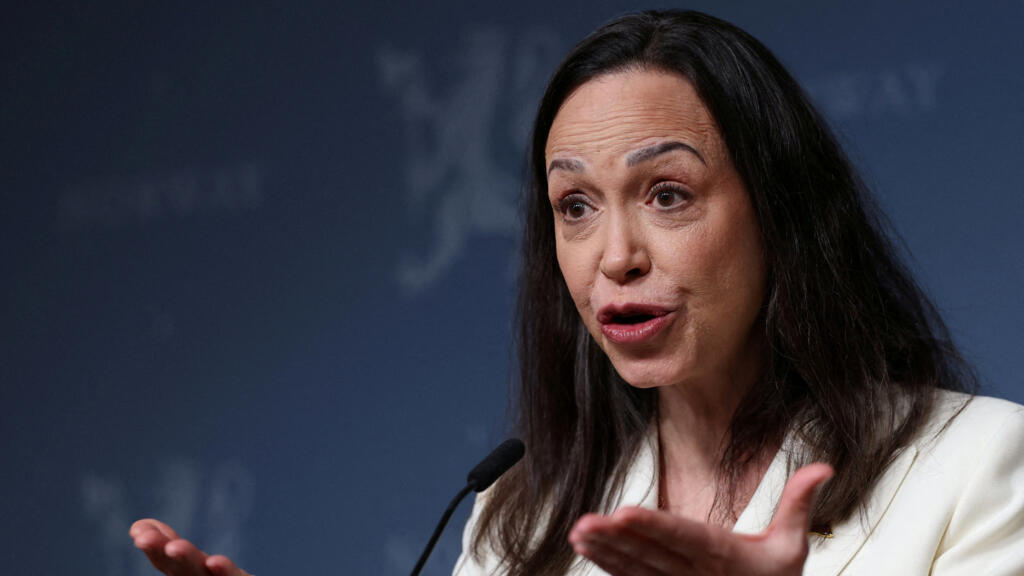
Washington announced on Monday that Maria Corina Machado, a prominent figure in the Venezuelan opposition, is scheduled to meet with president Donald Trump this week. This meeting occurs as international pressure intensifies on the Venezuelan government to expedite the release of political prisoners and address the ongoing humanitarian and political crisis within the nation.
The Context: Venezuela’s Political Landscape
Venezuela has been embroiled in a deep political and economic crisis for years, marked by hyperinflation, shortages of basic goods, and a mass exodus of its citizens. The legitimacy of the current government, lead by Nicolás Maduro, is widely disputed, with many countries recognizing opposition figures as the rightful leaders.The situation has been further complicated by accusations of human rights abuses, including the arbitrary detention of political opponents.
The Role of Political Prisoners
The issue of political prisoners has become a central point of contention in international relations with Venezuela. Numerous organizations, including Human Rights Watch and Amnesty International, have documented cases of individuals imprisoned for exercising their rights to freedom of expression and peaceful assembly. These detentions are often characterized by due process violations and harsh prison conditions. The release of these prisoners is seen by many as a crucial step towards restoring democracy and the rule of law in Venezuela.
Why This Meeting Matters
Maria Corina Machado is a vocal critic of the maduro regime and a leading advocate for democratic change in Venezuela. her meeting with President Trump signals a continued commitment from the United States to support the Venezuelan opposition and to pressure the Maduro government to address the country’s crises. The meeting is expected to focus on strategies to increase pressure on the Maduro regime, including potential sanctions and diplomatic initiatives.
Trump’s Stance on Venezuela
Throughout his presidency, Donald Trump has taken a firm stance against the Maduro government, recognizing Juan Guaidó as the interim president of Venezuela in January 2019. The Trump administration has imposed a series of economic sanctions aimed at crippling the Maduro regime and forcing it to negotiate a peaceful transition of power. This meeting with Machado suggests a continuation of this policy, even as the political landscape shifts.
International Pressure and Potential Outcomes
The United States is not alone in its concern over the situation in Venezuela.The European Union, canada, and several Latin American countries have also expressed their support for a peaceful resolution to the crisis and have called for the release of political prisoners. The combined pressure from these international actors could potentially lead to:
- Increased Sanctions: Further economic sanctions targeting key individuals and entities associated with the Maduro regime.
- Diplomatic isolation: Increased diplomatic isolation of the Maduro government, with more countries withdrawing recognition.
- Negotiations: A renewed push for negotiations between the government and the opposition, potentially mediated by international actors.
- Humanitarian Aid: Increased efforts to provide humanitarian aid to the Venezuelan people, who are facing severe shortages of food, medicine, and other essential supplies.
The Challenges Ahead
Despite the mounting pressure, the Maduro government has shown little willingness to compromise. The regime continues to deny the existence of political prisoners and accuses the opposition of conspiring with foreign powers to overthrow the government. Overcoming these obstacles will require a sustained and coordinated effort from the international community.
Looking Forward
The meeting between Maria Corina Machado and President Trump is a meaningful development in the ongoing saga of Venezuela’s political crisis. It underscores the continued international focus on the country and the determination of the United states to support a democratic transition. The coming weeks and months will be crucial in determining whether this pressure will translate into concrete progress towards the release of political prisoners and a peaceful resolution to the crisis. The situation remains fluid and requires careful monitoring as events unfold.
