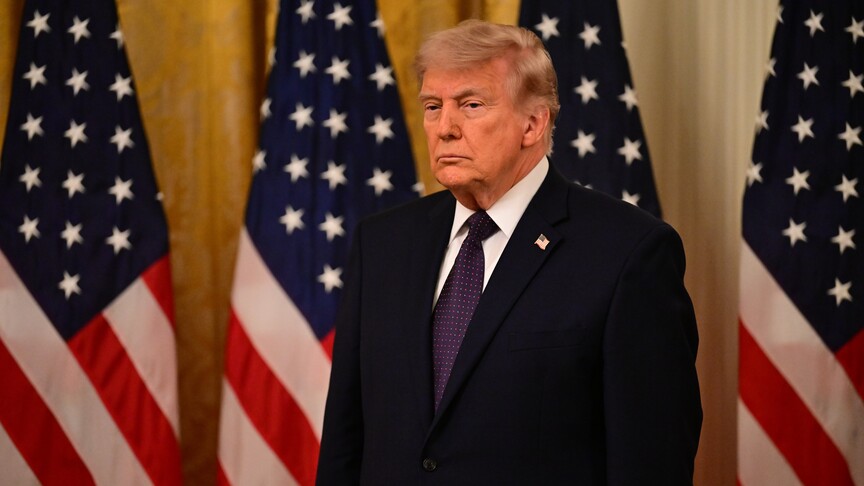
Trump to Make Final Decision on Proposed Iran Deal
As of May 29, 2026, President Donald Trump is deliberating the final approval of a proposed framework agreement between the United States and Iran. This high-stakes diplomatic maneuver, currently under review in the Situation Room, carries profound implications for Middle Eastern security architectures, global energy markets, and international sanction enforcement regimes.
The current impasse represents a pivotal shift in the long-standing tensions between Washington and Tehran. While the specifics of the deal remain under internal review, the global market is bracing for a potential recalibration of trade restrictions that have long defined the regional economic landscape. For multinational corporations, the “wait-and-see” period is not merely a diplomatic observation—It’s a critical window for risk mitigation.
The Macro-Economic Ripple Effect
The potential normalization or adjustment of ties with Iran acts as a massive variable in global commodity pricing. Energy markets, in particular, remain hyper-sensitive to any signal that could alter the flow of Iranian crude into the global supply chain. When geopolitical tension leads to such volatility, the burden falls on enterprise leaders to ensure their supply chains are resilient enough to absorb sudden shifts in trade policy.
For firms involved in cross-border logistics and energy procurement, uncertainty is the primary enemy. Companies currently operating in or near the region are increasingly turning to geopolitical risk consultants to model scenarios involving the lifting or tightening of financial sanctions. The ability to pivot quickly depends on the depth of one’s legal and logistical preparation.
The structural integrity of global trade relies on the predictability of state actors. When a major power like the United States enters a final deliberation phase on a deal of this magnitude, the immediate impact is a freeze in long-term capital expenditure across the Middle East. Investors are waiting for the regulatory signal before committing to further regional expansion.
Navigating the Sanctions Landscape
The history of U.S.-Iran relations, marked by the 2018 termination of the Joint Comprehensive Plan of Action (JCPOA), serves as a reminder of the volatility inherent in nuclear diplomacy. The previous re-imposition of sanctions targeted critical sectors including energy, petrochemicals, and finance, forcing a massive, forced withdrawal of foreign entities from the Iranian market.
Should the current framework proceed toward implementation, the legal complexities for international firms will be immense. Compliance officers are already preparing for a potential “wind-down” or “ramp-up” period, where the legal definitions of permissible business activities could change overnight. Navigating these transitions without triggering secondary sanctions or violating international law requires the expertise of specialized international trade lawyers who understand the nuances of the Office of Foreign Assets Control (OFAC) and its international counterparts.
- Regulatory Volatility: The potential shift in sanction enforcement creates immediate operational risk.
- Supply Chain Fragility: Dependence on regional transit points requires robust contingency planning.
- Financial Exposure: Banking institutions must audit their exposure to entities that may remain under restricted status.
The Institutional Response to Geopolitical Entropy
The movement toward a new framework is not occurring in a vacuum. It is part of a broader, more aggressive approach to managing regional proxies and illicit financial flows. As the administration weighs its options, the focus remains on ensuring that any agreement effectively addresses the security concerns that have historically hindered diplomatic progress. This is a classic “security-for-stability” trade-off that has defined the region for decades.
For the B2B sector, this means that the “cost of doing business” in the Middle East is currently fluctuating. The complexity of these negotiations necessitates that firms engage with strategic corporate advisors who can translate high-level diplomatic outcomes into actionable business intelligence. Without this bridge, firms risk being caught on the wrong side of a policy pivot.
Strategic Outlook: The Path Forward
As the clock ticks toward a final decision, the international community is watching for signs of how this deal might integrate into the broader framework of global trade agreements. The interplay between energy security and nuclear non-proliferation is a delicate balance that few administrations have mastered. The outcome will likely dictate the flow of foreign direct investment (FDI) into the region for the remainder of the decade.

The global chessboard is being reset. Whether the result is a return to a more integrated regional market or a continuation of the status quo, the requirement for professional, expert guidance has never been higher. Navigating the intersection of statecraft and corporate strategy is no longer a luxury—it is a core business function. Global executives seeking to insulate their operations from the fallout of these high-level negotiations should proactively consult our verified directory of international legal and risk management partners to ensure their organizations are prepared for any outcome.
The coming weeks will be characterized by intense diplomatic activity. For the astute observer, the “final decision” is merely the starting point of a new phase in global economic governance. The firms that survive and thrive in this environment will be those that have already secured the necessary partnerships to navigate the shifting currents of international law and geopolitical reality.