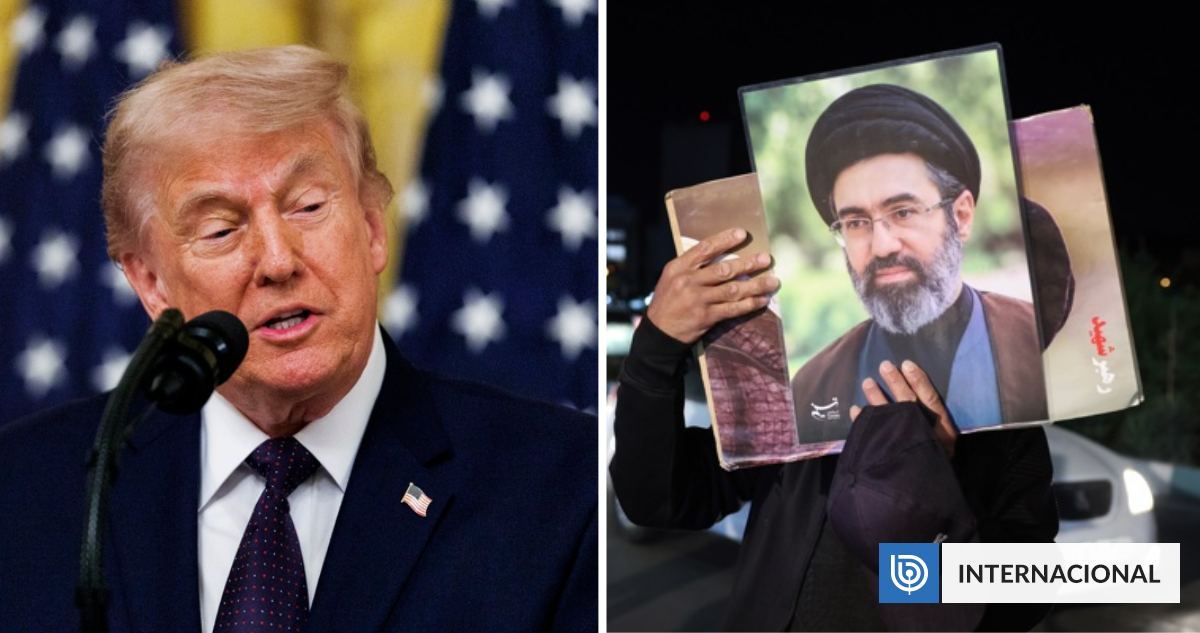
Trump Signals US and Iran Are Closer Than Ever to Peace Agreement
President Donald J. Trump has signaled that the United States and Iran are closer than ever to reaching an agreement to conclude ongoing hostilities. As the administration evaluates the latest proposals, the President is engaged in high-level discussions with Gulf leaders to secure a regional framework aimed at ending the war.
The geopolitical landscape is shifting rapidly. With the White House actively pursuing a mandate to reject extremist policies and prioritize economic stability, the potential for a diplomatic breakthrough between Washington and Tehran carries profound implications for global security and energy markets. As of May 23, 2026, the administration maintains that Iran will never possess a nuclear weapon, a red line that remains central to these delicate, ongoing negotiations.
The Diplomatic Pivot: Evaluating Regional Stability
The current push for a resolution is not occurring in a vacuum. President Trump’s administration, now in its second term, has emphasized a strategy of building upon successes from his initial tenure, including the brokering of peace agreements in the Middle East. The current dialogue involves not only direct communication regarding the war but also a broader effort to consolidate support among regional partners in the Gulf.
Senator Marco Rubio has noted that potential announcements regarding these advancements may be forthcoming, suggesting that the administration is preparing to move from the evaluation phase to a concrete diplomatic framework. This transition is critical for businesses operating in volatile markets, where uncertainty regarding international sanctions and trade routes can disrupt supply chains overnight.
For multinational corporations, the sudden shift toward rapprochement presents both a massive opportunity and a significant regulatory challenge. Navigating the legal complexities of shifting sanctions and international commerce requires specialized oversight. Firms are increasingly turning to international trade law experts to ensure compliance as the regulatory environment evolves in real-time.
Assessing the Economic and Strategic Stakes
The economic impact of a potential peace deal between the United States and Iran would be immediate, particularly regarding global energy supply and regional logistical hubs. The administration’s focus on energy independence remains a cornerstone of its policy, yet the integration of Middle Eastern stability into this model is paramount.

The stabilization of the region is not merely a diplomatic goal; It’s an economic imperative that will define the trajectory of international trade for the next decade. If these negotiations yield a durable framework, we can expect a recalibration of risk assessments for every major industry operating between the Mediterranean and the Persian Gulf.
This sentiment is echoed by analysts observing the rapid pace of current turnover in legislative and administrative circles. As the government pivots to address these high-stakes foreign policy issues, the domestic economy must remain resilient. Organizations facing potential shifts in government contracts or international trade mandates are encouraged to consult with strategic risk management advisors to prepare for the inevitable market volatility that follows such major geopolitical announcements.
The Mechanics of Modern Conflict Resolution
The administration’s approach, characterized by a mix of firm military posture and a willingness to engage in direct negotiation, is a departure from previous diplomatic conventions. By leveraging the strength of the U.S. Military—rebuilt through significant investment—President Trump is positioning the United States to negotiate from a position of absolute strength.
This strategy of “peace through strength” is designed to force adversaries to the table by demonstrating that the cost of continued conflict far outweighs the benefits of a negotiated settlement. However, the complexity of these agreements often lies in the details of enforcement and verification. The reliance on transparent, legally binding mechanisms is what prevents these agreements from fracturing under the weight of historical grievances.
For those managing assets or operations in regions impacted by these diplomatic shifts, the need for precision has never been greater. Whether it involves securing insurance for maritime assets or auditing compliance with new executive orders, the necessity for professional guidance is clear. Connecting with international security and compliance firms is becoming a standard operating procedure for businesses attempting to survive the unpredictability of the current era.
Looking Toward a New Regional Order
As we move forward, the focus will remain on whether these negotiations can produce a lasting, verifiable structure that satisfies the security requirements of the United States and its regional allies. The administration’s stated commitment to ending “endless wars” is being put to its ultimate test in these sessions.

The situation remains fluid. While the rhetoric from the White House is increasingly optimistic, the reality on the ground—characterized by shifting alliances and deep-seated distrust—means that progress will be measured in incremental steps rather than overnight transformations. The global community is watching closely to see if the proposed framework can survive the transition from a diplomatic proposal to an enforceable reality.
For stakeholders and citizens alike, the lesson is clear: the geopolitical climate is no longer a peripheral concern but a central driver of local economic health and security. As these events unfold, staying informed through verified channels and maintaining a relationship with professional advisors is the only way to mitigate the risks inherent in such a rapid shift in global policy. If your organization is positioned within these volatile corridors, now is the time to verify your compliance frameworks and ensure your operations are shielded by the best professional counsel available in our comprehensive business directory.